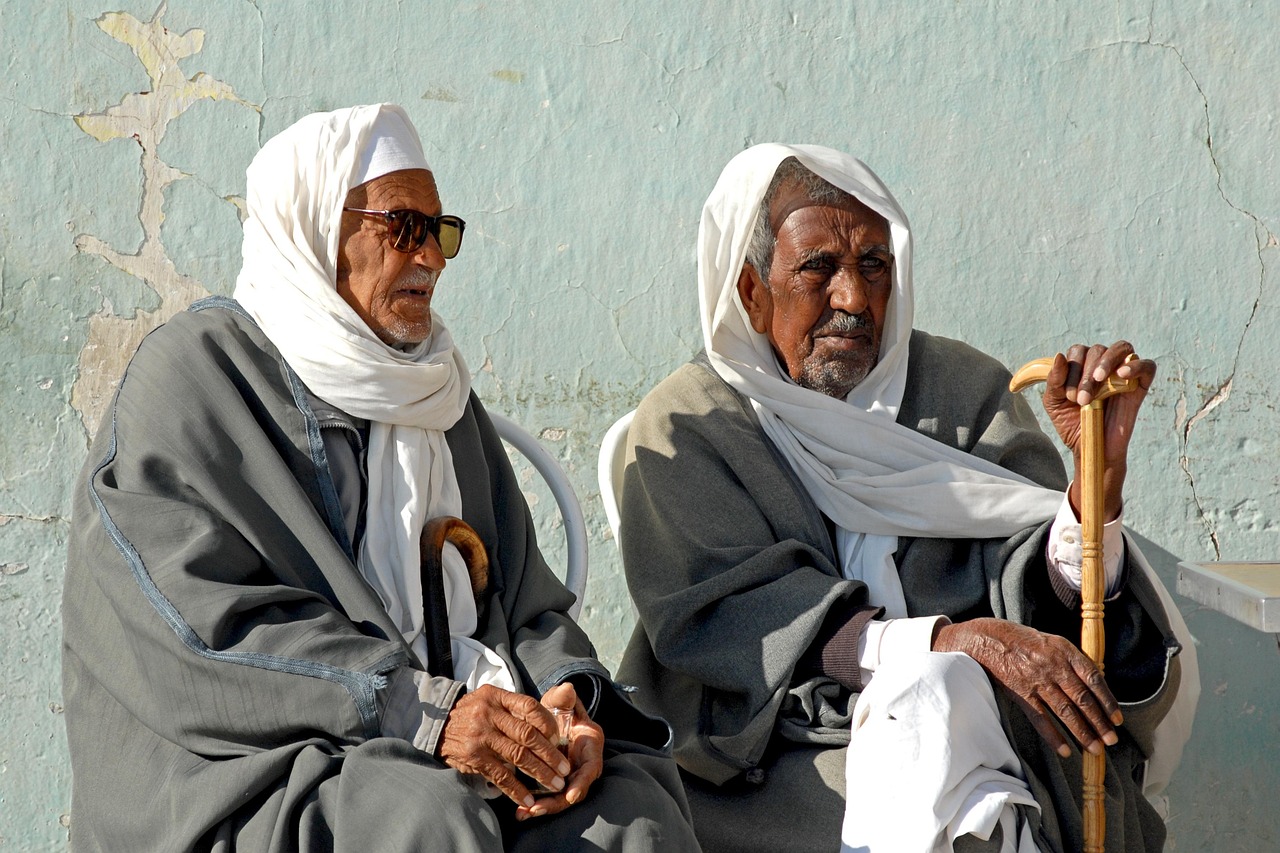
Exploring Amazigh Culture: Challenges, Triumphs, and Future Prospects
Introduction
Welcome, dear readers, to a journey through the vibrant and resilient world of Amazigh culture. As we delve into the rich heritage of the indigenous Berber peoples of North Africa, we’ll explore the challenges faced, the triumphs achieved, and the promising future prospects of this ancient and significant culture.
The Amazigh people have a history that predates the Arab conquest, and their culture is deeply intertwined with the region’s identity and history. Despite the many challenges they’ve faced, the Amazigh community has consistently demonstrated remarkable resilience and determination to preserve their cultural heritage.
The Rich Tapestry of Amazigh Culture
Language
The Amazigh language, also known as Tamazight, is one of the oldest languages in the world, with a history that spans over 3,000 years. Spoken by an estimated 30 million people across North Africa, Tamazight is part of the Berber language family.
Despite facing numerous challenges, including the dominance of Arabic, efforts to preserve and promote Tamazight have been gaining momentum. Initiatives such as language education and media programs have helped to promote the language and foster a sense of pride among the Amazigh community.
In recent years, Tamazight has been recognized as an official language in several countries, including Morocco and Algeria, opening up new opportunities for its speakers and marking a significant milestone in the struggle for cultural recognition.
Art and Tradition
Amazigh art and tradition are a rich tapestry of symbols, stories, and rituals that have been passed down through generations. From intricate pottery and weaving to captivating music and dance, Amazigh art forms offer a unique insight into the culture’s history, values, and spiritual beliefs.
While many of these art forms have been threatened by modernization and the dominance of other cultures, efforts are underway to preserve and revitalize them. Organizations and initiatives dedicated to promoting and protecting Amazigh traditions are playing a crucial role in ensuring their survival.
One notable example is the annual Imilchil Marriage Festival, a centuries-old tradition that brings together thousands of Azerou Amazigh from the Atlas Mountains for a week of music, dance, and celebrations.
Political Representation
The Amazigh community has long struggled for political representation and recognition. This struggle reached a turning point in the late 20th century, with the Amazigh movement demanding cultural rights, language recognition, and political autonomy.
Today, there are Amazigh political parties and organizations that advocate for the rights of the Amazigh community. These parties have gained seats in parliament and have been instrumental in pushing for policies that recognize and protect Amazigh culture.
However, challenges remain, particularly in regions where the Amazigh community faces marginalization and discrimination. It is crucial that we continue to support the Amazigh movement and advocate for their rights and representation.
The Struggle for Visibility
Despite the achievements of the Amazigh movement, the struggle for visibility remains a significant challenge. The Amazigh community is often overshadowed by the Arab world, with their culture and history often underrepresented or misrepresented in media and academia.
It is essential that we, as part of the Maghrebi diaspora, play a role in promoting and celebrating Amazigh culture. By learning about and sharing the stories of the Amazigh community, we can help to bridge the gap between cultures and foster a deeper understanding and appreciation for our shared heritage.
Future Prospects
The future of Amazigh culture is filled with promise, with the community continuing to fight for recognition, representation, and protection. As the world becomes more interconnected, it is crucial that we celebrate and preserve our cultural diversity, and the Amazigh community is no exception.
Whether through language education, art promotion, or political advocacy, there are numerous ways we can support the Amazigh community and help ensure that their culture continues to thrive for generations to come.
Call to Action
We invite you, dear readers, to join us in celebrating and supporting Amazigh culture. Whether you learn Tamazight, attend an Amazigh festival, or advocate for the rights of the Amazigh community, every small action can make a difference. Let us work together to ensure that the rich and vibrant world of Amazigh culture continues to enrich our shared heritage for years to come.
You might also enjoy
Related Articles
- Exploring the Future of Amazigh Culture in Morocco: A Beacon for the Maghrebi Diaspora
- Gallery: Summer’s Berber Cultural Impact – Embracing North African Heritage
- Embracing the Vibrant Diversity of North Africa: A Tribute to Our Rich Ethnic, Cultural, and Linguistic Heritage
- Unveiling the Judeo-Amazigh Cultural Substratum: A Deep Dive into North African Ethno-Religious Understanding
- Summer of Impact: Berber Culture Showcase – Celebrating the Rich Heritage of the Maghrebi Diaspora