Embracing the Vibrant Diversity of North Africa: A Tribute to Our Rich Ethnic, Cultural, and Linguistic Heritage
As we gather to celebrate the rich tapestry of North Africa, we’re reminded of the profound impact that its diverse ethnic groups, cultures, and languages have on our lives. From the snow-capped Atlas Mountains to the scorching Sahara Desert, this enchanting region is a true melting pot of vibrant cultures, each with its own unique customs, traditions, and identities.
The Ethnic Mosaic of North Africa
North Africa is home to a kaleidoscope of ethnic groups, each with its own distinct cultural identity. The Berbers, for instance, are an indigenous people who have maintained a strong cultural presence in Morocco and Algeria, with their own languages, customs, and traditions. Meanwhile, the Arab population, particularly in Tunisia, Egypt, and Libya, has played a significant role in shaping the region’s cultural heritage.
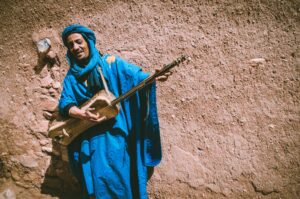
The Berbers, for example, have a rich cultural history that predates the arrival of the Arabs. Their languages, customs, and traditions have been passed down through generations, and they continue to thrive in the Atlas Mountains and the Sahara Desert. The Amazigh language, spoken by the Berbers, is an official language in Morocco and Algeria, and it’s a testament to the region’s linguistic diversity.
The Arabization of North Africa began in the 7th century with the spread of Islam, bringing with it a new language, religion, and cultural practices that have left an indelible mark on the region. Today, the Arabic language is an official language in many North African countries, and it’s an integral part of the region’s cultural heritage.
The Cultural Kaleidoscope of North Africa
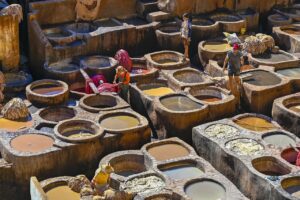
North Africa’s cultural landscape is a treasure trove of history, art, and architecture, with each region offering its own unique flavors and experiences. From the bustling souks of Marrakech to the ancient ruins of Carthage, the region is a feast for the senses.
The Berber villages of the Atlas Mountains are a testament to the region’s rich cultural heritage. These villages, with their distinctive mud-brick houses and intricate carvings, offer a glimpse into a way of life that has persisted for centuries. Meanwhile, the vibrant city of Casablanca showcases the modern face of Morocco, with its contemporary art galleries, fashionable cafes, and sleek skyscrapers.
In Tunisia, the ancient city of Carthage stands as a testament to the region’s rich history. Founded by the Phoenicians in the 9th century BC, Carthage became a powerful empire that dominated the Mediterranean for centuries before being conquered by the Romans. Today, its ruins continue to captivate visitors with their stunning beauty and historical significance.
The Linguistic Harmony of North Africa
North Africa’s linguistic landscape is equally diverse, with Arabic, Berber languages, French, and Spanish all spoken in various regions. Modern Standard Arabic serves as the official language in most North African countries, but the region is also home to numerous Berber languages, each with its own unique dialect and grammar.
In Morocco, for example, the Tamazight language is spoken by the Berber population, while in Algeria, Kabyle is the most widely spoken Berber language. French and Spanish also play important roles in North Africa, with French serving as an official language in Morocco and Algeria, and Spanish spoken in the enclaves of Ceuta and Melilla in northern Morocco.
The Delicious Cuisine of North Africa
North Africa’s culinary heritage is a true reflection of its cultural diversity, with each region offering its own unique flavors and dishes. Moroccan cuisine, with its blend of Arab, Berber, and Moorish influences, is renowned for its rich and aromatic dishes. From the spicy harissa to the flavorful tagine, Moroccan cuisine is a feast for the senses.
Tunisian cuisine shares many similarities with Moroccan cuisine, with its reliance on fragrant spices and fresh ingredients. Tunisian dishes such as couscous and shakshouka have become popular around the world.
Unity in Diversity: A Call to Action
As we celebrate the diverse ethnic groups, cultures, and languages of North Africa, let us also remember that our shared heritage unites us. It is our responsibility to preserve and protect these treasures for future generations.
Whether you are a Maghrebi living abroad or a visitor to the region, there are countless ways to contribute to this effort. You can learn a new language, explore a new culture, or support the preservation of historic sites. Most importantly, you can share your experiences and knowledge with others, fostering a deeper understanding and appreciation for the rich tapestry of North Africa.
You might also enjoy
Related Articles
- Gallery: Summer’s Berber Cultural Impact – Embracing North African Heritage
- Summer of Impact: Berber Culture Showcase – Celebrating the Rich Heritage of the Maghrebi Diaspora
- Revitalizing North Africa’s Tourism: A Call to the Maghrebi Diaspora
- Embracing Africa’s Rich Tapestry: A Celebration of Diverse Ethnicities, Languages, and Cultures
- Celebrating Halloween in the North African Diaspora: Embracing Cultural Fusion and Community Bonding