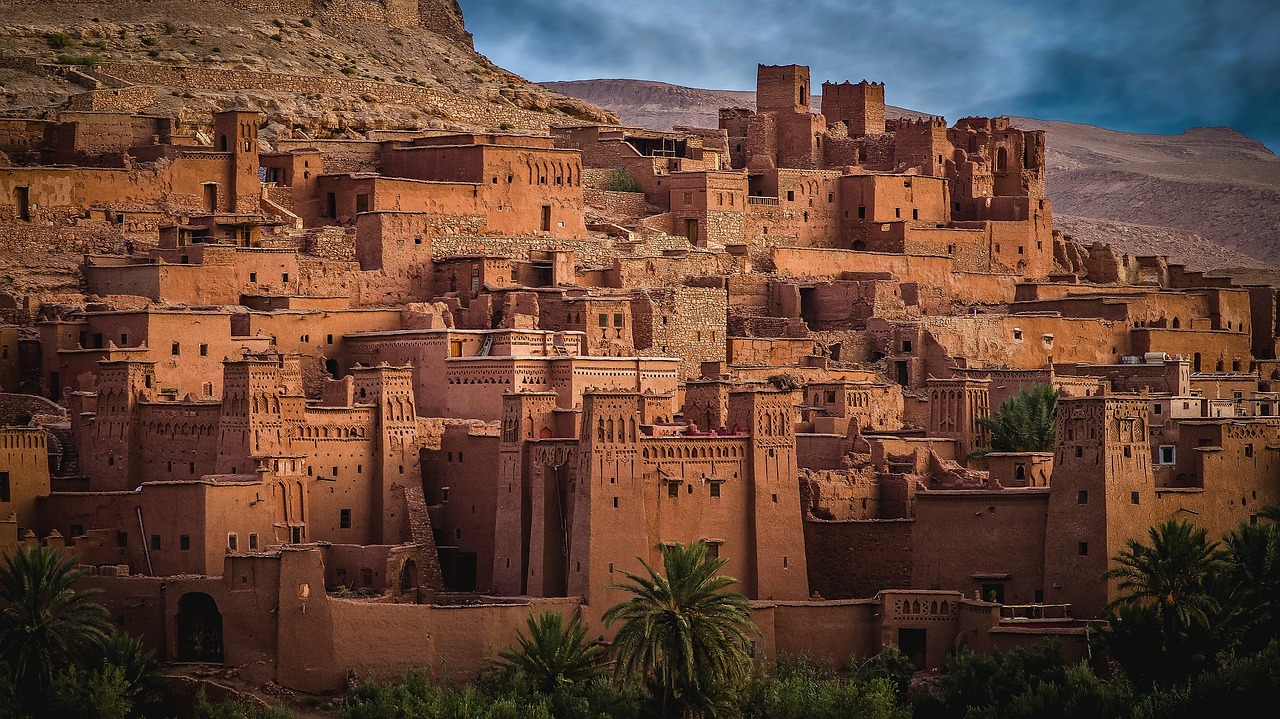
Exploring the Future of Amazigh Culture in Morocco: A Beacon for the Maghrebi Diaspora
As we embark on this journey to explore the vibrant Amazigh culture in Morocco, we’re reminded of the deep connection that exists between the Amazigh people and the Maghrebi diaspora. For those who have left their ancestral homeland, the desire to reconnect with their heritage is palpable. This rich cultural tapestry, woven from the threads of history, language, and tradition, is a testament to the resilience and adaptability of the Amazigh community.
In Morocco, Amazigh culture has long been a source of national pride, shaping the country’s identity and influencing its art, music, and architecture. From the majestic Atlas Mountains to the charming streets of Tangier and Chefchaouen, the Amazigh heritage is woven into the very fabric of Moroccan society. Today, this cultural revival is gaining momentum, driven by grassroots movements and government initiatives that recognize the importance of preserving and promoting Amazigh culture.
The Historical Roots of Amazigh Culture in Morocco
The Amazigh people, often referred to as Berbers, have been the indigenous inhabitants of North Africa for thousands of years. Their history is replete with stories of resistance, adaptation, and cultural innovation. From the ancient kingdoms of Morocco to the Ottoman and French colonial periods, the Amazigh community has consistently played a vital role in shaping the nation’s identity and cultural heritage.
The Amazigh people have long been known for their remarkable capacity to absorb and assimilate various cultural influences while maintaining their unique identity. This ability to adapt has allowed them to thrive in the face of countless challenges, from the Roman Empire to the modern era. Today, this resilience is evident in the vibrant cultural expressions that have emerged across Morocco, from traditional music and dance to the stunning architecture and intricate textiles.
The Modern Revival of Amazigh Culture
In recent years, there has been a remarkable resurgence of Amazigh culture in Morocco, driven by a new generation of artists, musicians, and intellectuals who are proud to claim their Amazigh heritage. This cultural revival has given rise to a thriving arts scene, with Amazigh hip-hop, traditional music, and visual arts gaining international recognition.
The recognition of Tamazight, the primary Amazigh language, as an official language in Morocco has been a significant milestone in this cultural revival. This recognition has not only validated the language but also provided a powerful tool for preserving Amazigh cultural heritage and promoting cultural exchange.
Challenges Facing Amazigh Culture in Morocco
Despite the progress made in recent years, Amazigh culture in Morocco still faces numerous challenges. Socio-economic disparities, discrimination, and lack of access to education and resources continue to impact the Amazigh community, threatening the preservation and further development of their culture.
Moreover, the rapid urbanization and globalization of Moroccan society pose significant threats to the traditional ways of life that are intrinsic to Amazigh culture. It is essential that these challenges are addressed if we are to ensure the continued survival and flourishing of this important cultural heritage.
As the Maghrebi diaspora, we have a vital role to play in supporting our Amazigh brethren and advocating for their rights, both within Morocco and on the global stage. By engaging with and supporting the Amazigh community, we can play an active role in preserving and promoting Amazigh culture, ensuring its continued vibrancy for generations to come.
The Role of Technology in Preserving Amazigh Culture
In the digital age, technology offers unprecedented opportunities for preserving and promoting Amazigh culture. Social media platforms, online forums, and digital archives provide a powerful means of sharing stories, art, music, and traditions across borders, bridging the gap between the Amazigh community and the diaspora.
Moreover, technology can help to address some of the challenges facing Amazigh culture by facilitating access to education, resources, and networking opportunities. By embracing these tools, we can foster a sense of connection and solidarity among the Maghrebi diaspora, while also supporting the continued evolution and growth of Amazigh culture in Morocco.
A Call to Action: Embracing Our Shared Heritage
As members of the Maghrebi diaspora, we have a unique opportunity to engage with and support the Amazigh community in Morocco, and in doing so, deepen our connection to our shared heritage. Whether through travel, financial support, or advocacy, we can play an active role in preserving and promoting Amazigh culture, ensuring its continued vibrancy for generations to come.
Together, let us celebrate and cherish the rich tapestry of Amazigh culture in Morocco, and work towards a future where our shared heritage is not only preserved but thrives in all its diversity and splendor.
You might also enjoy
Related Articles
- Summer of Impact: Berber Culture Showcase – Celebrating the Rich Heritage of the Maghrebi Diaspora
- The Rise of the Maghrebi Diaspora in the Global Music Industry: Celebrating Our Heritage and Shaping the Future
- Revival of Traditional Amazigh Crafts in Morocco: A Cultural Renaissance for the Maghrebi Diaspora
- Exploring the Impact of Contemporary Muslim Women’s Fashion on Modest Style: A Journey Through the Maghrebi Diaspora
- Unveiling the Beauty of ‘Amazigh-en’ Jewelry and Photography in North Africa: A Journey for Maghrebi Diaspora