Cultural Exploration: Dima Maghreb and Morocco’s Soccer Passion
As we gather to celebrate the rich cultural heritage of the Maghrebi diaspora, we can’t help but feel a deep sense of passion and pride when it comes to soccer. Today, we’re going to delve into the fascinating intersection of culture and soccer, exploring Morocco’s deep-rooted passion for the beautiful game and how it brings us all together.
The Rich History of Soccer in Morocco
The history of soccer in Morocco is a long and storied one, dating back to the late 19th century when the first recorded match took place in Casablanca. The sport quickly gained popularity, fueled by the French colonial influence that brought European football to the continent. Despite the challenges posed by colonial rule, Moroccan players began to make their mark on the international stage, leading to the formation of the Moroccan Football Federation in 1956. Today, the Moroccan National Team is a formidable force, having competed in numerous African Cup of Nations and World Cup qualifiers.
Their resilience and determination on the field reflect the Moroccan spirit of perseverance and unity, values that are deeply ingrained in the country’s culture. This is evident in the way that soccer brings people together, transcending cultural and socioeconomic divides. From the bustling streets of Marrakech to the tranquil oases of the Sahara Desert, soccer is a language that speaks to people of all ages and backgrounds.
In the heart of Rabat, the Stade Moulay Abdellah stands as a testament to Morocco’s soccer history. Opened in 1956, the stadium has played host to numerous historic matches, solidifying its place as a cultural landmark. The iconic stadium’s walls have witnessed countless moments of triumph and heartbreak, cementing its status as a sacred space for Moroccan soccer fans.
The Soccer Culture: Fans, Traditions, and Rivalries
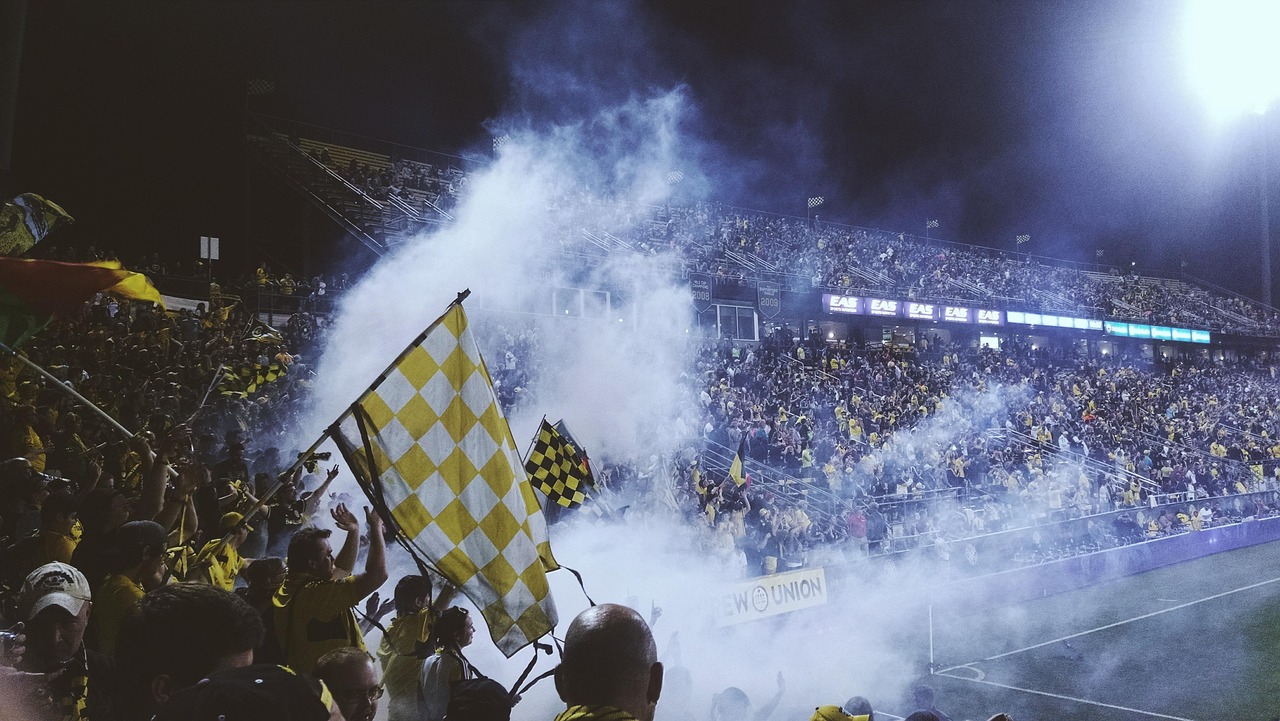
Moroccan soccer culture is a vibrant tapestry woven from the passion of fans, the traditions that unite them, and the rivalries that fuel their excitement. At the heart of this culture are the Ultras, or hardcore fans, who bring a level of energy and intensity to the game that’s hard to match. Their chants, banners, and organized displays create an electric atmosphere during matches, a true celebration of the beautiful game.
One of the most cherished soccer traditions in Morocco is the derby, with the Casablanca derby between Raja Casablanca and Wydad Casablanca, known as Derby de la Médina, being the most iconic of these heated encounters. The rivalry between these two clubs runs deep, with each side boasting a rich history and a loyal fanbase. The passion and intensity of these matches are a testament to the power of soccer to bring people together and create a sense of community.
From the streets of Marrakech to the cafes of Rabat, soccer is a conversation starter, a way to connect with others and share in the excitement of the game. Whether it’s a casual kickabout with friends or a lively discussion about the latest match, soccer has the ability to bring people together in a way that’s unique and special.
Football as a Catalyst for Social Change
Soccer in Morocco has served as a catalyst for social change, providing a platform for addressing issues such as gender equality, political activism, and community development. The Moroccan soccer scene has witnessed a growing number of female players breaking barriers and making their mark on the field. The Moroccan Football Federation has taken steps to promote women’s football, with the creation of a women’s national team and the introduction of women’s leagues.
Political activism through soccer has also been evident, with players and fans using the platform to advocate for various causes, such as human rights and social justice. One notable example is the 2017 Casablanca derby, where fans displayed banners calling for the release of political prisoners. This use of soccer as a force for good is a powerful reminder of the game’s ability to bring people together and drive positive change.
The Role of Soccer in Connecting the Maghrebi Diaspora
Soccer offers a unique opportunity to connect members of the Maghrebi diaspora, fostering a sense of shared identity and cultural bond. Diaspora football clubs, like those representing cities such as Casablanca, Algiers, and Tunis, have sprung up in many parts of the world. These clubs provide a platform for the Maghrebi community to come together, celebrating their shared heritage through the beautiful game.
In addition, international tournaments like the African Cup of Nations and the World Cup serve as unifying events for the Maghrebi diaspora, as fans rally around their national teams, connecting with fellow expatriates and reminiscing about home. This shared passion for soccer is a powerful reminder of our shared roots and cultural heritage.
Call to Action: Embracing Our Shared Soccer Passion
As members of the Maghrebi diaspora, let us continue to celebrate our shared soccer passion, using it as a bridge to connect with one another and preserve our cultural heritage. Whether it be supporting our national teams, attending local matches, or participating in diaspora football clubs, our love for the beautiful game can serve as a powerful reminder of our roots.
Together, we can continue to nurture and grow our shared soccer culture, ensuring that the spirit of Dima Maghreb lives on for generations to come. So let us come together, united by our shared passion for soccer, and celebrate the rich cultural heritage of the Maghrebi diaspora.
You might also enjoy
Related Articles
- Embracing the Vibrant Diversity of North Africa: A Tribute to Our Rich Ethnic, Cultural, and Linguistic Heritage
- Summer of Impact: Berber Culture Showcase – Celebrating the Rich Heritage of the Maghrebi Diaspora
- Revitalizing North Africa’s Tourism: A Call to the Maghrebi Diaspora
- Exploring the Future of Amazigh Culture in Morocco: A Beacon for the Maghrebi Diaspora
- Gallery: Summer’s Berber Cultural Impact – Embracing North African Heritage