Preserving the Legacy of Al-Andalus: The Soul of North Africa
Welcome, dear readers! As we gather to reflect on our shared heritage, I invite you to join me on a journey through the remarkable legacy of Al-Andalus. This fascinating chapter in North African history has left an indelible mark on our collective identity.
Al-Andalus, the Islamic kingdom that flourished in Iberia from 711 to 1492 AD, was a beacon of culture, science, art, and intellectual pursuits. Its influence extended far beyond its borders, shaping the history of North Africa and leaving an enduring legacy that still resonates today.
The Golden Age of Al-Andalus
From the 8th to the 10th centuries, Al-Andalus experienced a cultural renaissance known as the Golden Age. This era was marked by significant advancements in science, mathematics, medicine, literature, and philosophy. Scholars like Averroes, Ibn al-Zarqallu, and Al-Idrisi made groundbreaking contributions to their respective fields.
Their work not only enriched Al-Andalus but also spread throughout North Africa, contributing to the region’s own cultural development. Arabic became the primary language of science and literature in Europe, a legacy that can still be seen in modern scientific terminology derived from Arabic roots.
This period saw the emergence of renowned centers of learning like the University of Al-Karaouine in Fez, Morocco, which was founded in 859 AD. This institution played a crucial role in preserving and disseminating knowledge across North Africa.
The Artistic Legacy
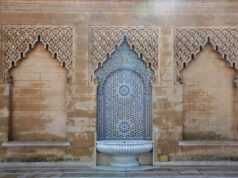
Al-Andalus left an indelible mark on North African art. The intricate patterns of Almoravid, Almohad, and Zirid architecture can be traced back to this era. The stunning geometric designs that adorn buildings like the Alhambra palace in Granada, Spain, are a testament to the beauty and sophistication of Al-Andalus.
The fusion of Arabic, Berber, and Andalusian artistic traditions created a unique aesthetic that is still celebrated today. This blending of styles can be seen in the ornate decorations, tilework, and courtyards found in North African architecture, such as those in Morocco’s Bahia Palace and Tunisia’s Dar El-Bey.
Culinary Connections
Food plays a vital role in preserving cultural heritage. The culinary traditions of North Africa reveal strong ties to Al-Andalus, with dishes like couscous, tagine, and harira being shared across the region.
The use of saffron, citrus fruits, almonds, and spices in Maghrebi cuisine can be traced back to the influences of Al-Andalus. Spices, for instance, were brought to Spain by Arab traders from South Asia, ultimately finding their way into North African cooking.
The shared culinary traditions serve as a reminder of our interconnected history and provide opportunities for cultural exchange and celebration. By exploring the flavors and ingredients that bring us together, we can strengthen our bonds with our shared heritage.
Preserving the Legacy Today
As members of the Maghrebi diaspora, it is crucial that we continue to celebrate and preserve the rich heritage of Al-Andalus. This can be achieved through various means such as learning about its history, supporting cultural institutions, and sharing our stories with future generations.
- Attend exhibitions and events showcasing the art, literature, and culture of Al-Andalus
- Support organizations dedicated to preserving Al-Andalus’s legacy
- Teach your children about our shared history and the contributions made by scholars like Averroes and Ibn al-Zarqallu
A Call to Action
Let us work together to preserve the legacy of Al-Andalus – a testament to the rich cultural exchange that has shaped North Africa and continues to define our collective identity. By celebrating and preserving this heritage, we ensure its enduring relevance for generations to come.
You might also enjoy
Related Articles
- Exploring Europe and North Africa with Holland America Cruises: A Comprehensive Guide for Maghrebi Diaspora Readers
- Navigating Travel in North Africa: A Practical Guide for Maghrebi Diaspora
- Ibn Khaldun’s Journey Through the Maghreb and Al-Andalus: A Fresh Perspective in a New Biography
- Celebrating Moroccan Heritage: A Journey Through Cultural Week in Athens
- Empowerment Journey: Living Among Arab Women in North Africa