Navigating Travel in North Africa: A Practical Guide for Maghrebi Diaspora
As a member of the Maghrebi diaspora, traveling to North Africa can be a deeply personal and meaningful experience. Whether you’re looking to reconnect with your roots, explore the rich cultural heritage of the region, or simply indulge in the vibrant sights and sounds of Morocco, Tunisia, Algeria, and beyond, this practical guide is designed to help you navigate the unique challenges and opportunities that await.
Preparation: Essential Documents and Research
In order to ensure a smooth and enjoyable journey, it’s essential to prepare thoroughly before embarking on your adventure. This includes obtaining all necessary documents, such as a valid passport, travel insurance, and any visas required for the countries you plan to visit. It’s also crucial to research local customs, laws, and current events to avoid any cultural faux pas or potential risks.
One of the most important aspects of preparation is researching the region you’ll be visiting. This includes learning about local customs, traditions, and ways of life. For example, in Morocco, it’s customary to remove your shoes before entering a home or mosque, while in Tunisia, it’s common to greet people with a gentle handshake or kiss on each cheek.
- Tips: Download offline maps and translation apps to help navigate and communicate in countries where internet access might be limited. Additionally, consider investing in a portable Wi-Fi hotspot for reliable internet connectivity during your travels.
- Travel Advisories: Stay updated on travel advisories issued by your country of residence and adjust your plans accordingly. It’s also a good idea to register with the local embassy or consulate in the countries you plan to visit, as this can provide valuable support and assistance in case of an emergency.
Safety: Essential Tips for a Hassle-Free Journey
Safety is always a top priority when traveling abroad. In North Africa, it’s especially important to take precautions to ensure your personal safety. This includes dressing modestly, avoiding displaying wealth publicly, and being cautious in crowded or unfamiliar areas.
When it comes to transportation, use official taxis or ride-sharing services whenever possible. If hiring a private driver, research their reputation and negotiate the price upfront to avoid any potential scams or misunderstandings.
- Tips: Keep important documents such as your passport and money in a hidden travel wallet or neck pouch, and consider using a money belt for added security. Additionally, be cautious when using ATMs, especially at night or in isolated locations.
- Be Aware: Be mindful of pickpocketing and petty theft in crowded areas, and keep valuables secure at all times. It’s also a good idea to avoid carrying large amounts of cash and instead use credit cards or traveler’s checks for transactions.
Culture: Embracing the Rich History and Traditions
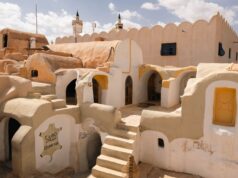
North Africa is a region steeped in rich history and tradition. From the ancient medinas of Morocco to the vibrant souks of Tunisia, there’s much to explore and discover. One of the best ways to experience the local culture is to immerse yourself in it, whether that’s by attending a traditional festival, taking part in a cooking class, or simply observing daily life.
Respect for local customs and traditions is essential when traveling in North Africa. For example, when visiting a mosque, dress modestly and remove your shoes before entering. Similarly, when dining at a local restaurant, be prepared to share food and conversation with your hosts.
- Tips: Haggle in souks to get the best prices for goods, but be respectful and fair. Additionally, consider taking a guided tour or workshop to gain a deeper understanding of the local culture and traditions.
- Experience: Participate in local festivals and events to immerse yourself in the culture, and don’t be afraid to try new foods and drinks. Just remember to respect local customs and traditions when doing so.
Food: Savoring North Africa’s Delicious Culinary Offerings
North African cuisine is a true delight, with its blend of flavors, spices, and fresh ingredients. From Moroccan tagines to Tunisian couscous, there’s something for everyone. Street food can be a great way to experience local delicacies, but remember to choose vendors that look clean and busy.
When dining out, don’t be afraid to try new dishes and flavors. Just remember to communicate any dietary restrictions or preferences with your server. And of course, always prioritize food safety and hygiene when eating at a street vendor or local market.
- Tips: Try traditional dishes like harira (Moroccan soup), b’stilla (Moroccan pie), or makloubeh (Lebanese upside-down rice dish). You can also take a cooking class to learn how to prepare these delicious dishes for yourself.
- Be Aware: If you have dietary restrictions, be sure to communicate them to your server and ask about ingredients and preparation methods. Additionally, consider packing snacks or bringing water with you during the day to stay hydrated and satisfied.
Community: Connecting with Fellow Maghrebi Travelers
Connecting with fellow members of the Maghrebi diaspora can enrich your travel experience. Online platforms and social media groups can help you find local events, meetups, or even homestays.
Sharing your experiences and advice with others in the community is a great way to build connections and foster a sense of belonging. You can also look for travel groups focused on Maghrebi heritage or culture to find like-minded individuals.
- Tips: Share your experiences, ask for advice, and build connections within the community. You can also consider joining local expat groups or attending cultural events to meet fellow travelers and locals.
- Join Groups: Look for travel groups focused on Maghrebi heritage or culture to find like-minded individuals. Additionally, consider joining online forums or social media groups dedicated to North African travel and culture.
Conclusion: Embrace Your Journey
In conclusion, navigating travel in North Africa can be a rewarding and enriching experience for members of the Maghrebi diaspora. By preparing thoroughly, respecting local customs and traditions, and embracing the unique culture and cuisine of the region, you’ll be well on your way to an unforgettable adventure.
Call to Action: Share your experiences, tips, and advice with others in the Maghrebi diaspora. Together, we can create a vibrant community of travelers and explorers who are passionate about exploring North Africa’s rich cultural heritage.
You might also enjoy
Related Articles
- Empowering the Maghrebi Diaspora: A New Era for Emigrants from North Africa
- A Look into Morocco’s Cultural Week in Athens: A Celebration for the Maghrebi Diaspora
- Halal-Friendly Holiday Guide to Alanya, Turkey – A Perfect Getaway for the Maghrebi Diaspora
- The Cultural Diaspora of North Africans in France: An In-depth Analysis
- Celebrating Eid al-Fitr with 33 Authentic Maghrebi Recipes: A Culinary Journey Through the Maghreb