A Taste of Tunisian Passover: Recipe for Yabrak in Marseille
As we embark on this culinary journey, I’m thrilled to introduce you to the rich flavors and traditions of the Maghrebi diaspora. Today, we’ll delve into a unique recipe for Yabrak during Passover, prepared with a twist by our Tunisian community in Marseille. Let’s take a trip around the world, exploring the cultural heritage behind this beloved dish.
The Maghrebi Roots of the Yabrak Recipe
Yabrak is more than just a dish – it’s a symbol of unity and tradition among the Maghreb communities. In Marseille, our Tunisian community has continued to honor this heritage by infusing their Yabrak recipe with local ingredients and Passover-friendly adaptations. This fusion of flavors and traditions results in a unique culinary experience that showcases the blending of cultures.
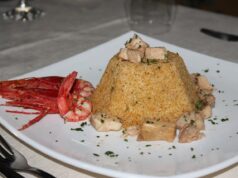
Traditionally made with vine leaves, the Marseille version cleverly replaces them with cabbage leaves during Passover due to dietary restrictions. This substitution preserves the essence of the dish while ensuring it aligns with kosher requirements for the Jewish holiday. The flavor profile remains remarkably similar, featuring a filling that typically includes ground meat, pine nuts, and raisins, all seasoned with a unique blend of spices.
The Marseille adaptation maintains this balance while incorporating locally sourced seafood or vegetables for a coastal twist. This innovative approach allows us to honor our heritage while also exploring new flavors and textures.
The Story Behind Passover in Marseille
Marseille’s Jewish community has a rich history that spans over two millennia. During Passover, the city comes alive with traditions passed down through generations. The holiday is celebrated with fervor, blending Maghrebi customs with those of the Sephardic and Ashkenazi communities present in Marseille.
On Passover eve, families gather for the Seder meal, where they retell the story of the Exodus from Egypt through a series of rituals, readings, and symbolic foods. The Yabrak dish is often served during this festive occasion, showcasing the blending of Maghrebi, French, and Jewish culinary influences.
The Marseille Jewish community has adapted some Passover traditions to suit the local climate and ingredients. For instance, Matzah Brei, a traditional Ashkenazi dish made with matzo and milk, is often served in France with cream instead of milk to accommodate local dairy production. This flexibility allows us to honor our heritage while also embracing our surroundings.
The Ingredients and Preparation of Yabrak
The Filling
The filling for the Marseille Yabrak is a harmonious blend of flavors and textures, carefully crafted to showcase the unique characteristics of Maghrebi cuisine. Ground beef or lamb, pine nuts, raisins, chopped onions, minced garlic, and a special spice mix are combined to create a rich, aromatic filling.
The choice of meat can vary depending on local preference or dietary restrictions. For a seafood version, shrimp or fish can be substituted for the ground meat. Vegetarians can opt for chickpeas or lentils as a plant-based alternative. The key is to find the right balance of flavors and textures that complements the other ingredients.
Seasoning the filling is an art form in itself. Cumin, coriander, and turmeric are common spices used to create a warm, fragrant blend that complements the other ingredients. The goal is to find the perfect harmony of flavors that will leave you wanting more.
The Cabbage Leaves
Cabbage leaves replace vine leaves during Passover, providing a slightly different texture but maintaining the dish’s structure. The larger size of cabbage leaves allows for a more substantial filling and easier rolling process.
The cabbage leaves are usually blanched to soften them before being filled and rolled, ensuring they maintain their shape during cooking. This step is crucial in achieving the perfect consistency and texture for the finished dish.
Cooking and Serving
Once the Yabraks have been assembled, they are placed in a large pot with a mixture of tomatoes, onions, garlic, olive oil, and spices. The pot is covered and left to simmer slowly until the cabbage leaves are tender and the flavors have melded together.
The Yabrak dish can be served hot or cold, making it versatile for various meals throughout Passover. Whether you’re looking for a comforting, warm meal or a refreshing, cold snack, this dish is sure to impress.
Preserving Cultural Traditions through Food
Food plays a crucial role in preserving cultural traditions, and the Marseille Yabrak recipe is a testament to this fact. By adapting traditional dishes for Passover or other dietary restrictions, we can ensure that our heritage remains alive and well within our communities.
We invite you to try this unique Tunisian recipe during your next Passover celebration or simply as a taste of Marseille’s rich cultural tapestry. Remember, every bite is an opportunity to honor the past while celebrating the present and looking forward to the future.
A Call to Action
We hope you enjoyed this journey through Maghrebi culinary traditions. If you have a favorite Passover recipe from your homeland or a story about adapting traditional dishes for dietary restrictions, we’d love to hear from you! Share your experiences with us on our social media channels and join the conversation.
You might also enjoy
Related Articles
- Revisiting Traditional Tunisian Passover Dish, Yabrak, in Marseille’s Vibrant Diaspora Community
- Recipe: Yabrak – Tunisian Stuffed Grape Leaves for a Passover Feast in Marseille
- A Journey Through Marseille: Preparing Authentic Tunisian Passover Dish Yabrak
- Exploring Europe and North Africa with Holland America Cruises: A Comprehensive Guide for Maghrebi Diaspora Readers
- Navigating Identity: Exploring the Lives of the North African Diaspora in France