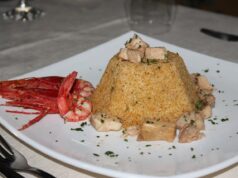
A Journey Through Marseille: Preparing Authentic Tunisian Passover Dish Yabrak
Welcome, dear readers! As we embark on this culinary adventure through the streets of Marseille, France, I’m thrilled to share with you the secrets of preparing an authentic Tunisian Passover dish – Yabrak. This traditional recipe carries a deep cultural significance within our community, and it’s a delight to dive into its history, ingredients, and cooking techniques.
The History of Yabrak
Yabrak, originating from Tunisia, is a classic dish that has been gracing many Passover tables for generations. The name ‘yabrek’ translates to ‘wrapped,’ which reflects the unique way this savory delicacy is prepared – wrapped in grape leaves. This cultural treasure has been passed down through our community, reflecting our shared heritage and traditions.
The historical roots of Yabrak date back to medieval times, when it was a popular dish among Jewish communities in North Africa. As we explore the evolution of this recipe over time, we’ll discover how it has adapted to modern tastes and techniques while maintaining its essence – ensuring that this culinary treasure remains relevant in our ever-evolving diaspora.
Passover, or Pesach, is an essential time for families to come together, share stories, and celebrate their Jewish identity. Yabrak serves as a key component of these festivities, bringing warmth and nostalgia to the table. It’s a dish that transcends generations, cultures, and borders – a true symbol of our shared heritage.
Gathering Ingredients in Marseille
Marseille’s vibrant markets offer an array of fresh produce, spices, and other ingredients essential for crafting an authentic Yabrak. As we wander through the stalls, let’s explore some key components that make this dish truly special:
- Grape leaves: Fresh, brined, or jarred – choose your preference based on availability. Marseille’s markets offer a variety of grape leaves to suit your taste.
- Rice: Short-grain rice is traditionally used for this dish, but long-grain can be substituted if needed. Look for aromatic short-grain rice at Marseille’s local markets.
- Meat: Ground beef or lamb provides the rich flavors characteristic of Yabrak. Feel free to experiment with different meats or vegetarian options to suit your taste.
- Spices: Cumin, coriander, paprika, and allspice are used to season the meat filling. Explore Marseille’s spice markets to find the perfect blend for your Yabrak.
- Lemon juice: Balances the flavors and preserves the grape leaves during the preparation process. Freshly squeezed lemon juice is always a great choice, but you can also use bottled or jarred varieties.
Preparing the Meat Filling
The foundation of Yabrak lies in its savory meat filling. With these simple steps, you’ll be well on your way to creating a delicious and authentic Yabrak:
- Gently sauté diced onions, garlic, and ground meat until browned. The aroma will fill the air, teasing your taste buds.
- Add spices and cook for an additional minute to allow their aromas to develop. This is where the magic happens – the flavors meld together in harmony.
- Stir in the rice, ensuring it’s well-coated with the flavored oil. The rice will absorb the deliciousness of the meat filling, making each bite a true delight.
Wrapping and Cooking the Yabrak
Now that you have your filling, it’s time to wrap! Here’s how:
- Place a spoonful of filling onto each grape leaf. The delicate balance between flavors and textures begins here.
- Fold the edges inward and roll tightly to form a neat package. As you wrap, imagine the love and tradition that goes into each Yabrak.
- Repeat until all filling is used, placing the finished Yabraks in a large pot snugly next to one another. The anticipation builds as the aroma wafts through the air.
Pour water and lemon juice over the Yabraks, cover, and simmer for approximately 45 minutes or until the rice is cooked through. As the flavors meld together, your senses will be transported to the Mediterranean coast.
Serving and Sharing Your Yabrak
Yabrak is best served warm, allowing its flavors to shine. Here are some suggestions for making it truly special:
- Garnish: A sprinkle of chopped parsley adds a fresh touch, reminiscent of the herbs that grow in Marseille’s sunny gardens.
- Accompaniments: Traditionally served with a hearty chickpea salad and a tangy yogurt sauce. Feel free to experiment with different accompaniments to suit your taste.
- Pairing: Complement the dish with a well-rounded red wine to enhance its rich flavors. Alternatively, try pairing it with a crisp white wine for a lighter take on this Mediterranean classic.
Passing Down the Legacy of Yabrak
As we celebrate Passover and share our traditions, let’s not forget the importance of passing down recipes like Yabrak to future generations. Encourage your children and grandchildren to join you in the kitchen, creating lasting memories while preserving our cultural heritage.
Join me on this journey as we explore more delicious recipes and stories from around the world. Let’s keep the spirit of Yabrak alive by sharing it with loved ones and making new traditions together.
You might also enjoy
Related Articles
- Authentic Tunisian Cuisine in Marseille: A Culinary Journey for Maghrebi Diaspora Readers
- Unveiling Authentic Tunisian and Moroccan Cuisine in Bradford: A Culinary Journey for the Maghrebi Diaspora
- Reviving a Marseille Tradition: The Tunisian Passover Yabrak Recipe
- Savoring Tunisian Flavors: 15 Authentic Recipes for Your Mediterranean Diet
- A Berber Feast for Yennayer 2026: Traditional Dishes to Celebrate Algerian, Tunisian and Moroccan Culture