Reviving South Tunisia’s Culinary Heritage with Malek Labidi: A Call to Action for Maghrebi Diaspora
Introduction
In the heart of North Africa, where the Sahara Desert meets the Mediterranean Sea, lies a rich and diverse culinary landscape. South Tunisia, with its unique blend of Berber, Arab, Ottoman, and French influences, has long been recognized as a treasure trove of flavors and traditions. This heritage is not only a reflection of the region’s history but also a testament to the creativity and resilience of its people.
However, in recent years, this precious culinary legacy has begun to fade due to the pressures of modernization and globalization. As the world becomes increasingly homogenized, it’s more important than ever to preserve and celebrate the unique flavors and traditions of South Tunisia.
Enter Malek Labidi, a passionate chef and advocate for preserving Tunisia’s gastronomic legacy. Through his work with local communities, research, and culinary events, Labidi is leading an effort to revive the culinary heritage of South Tunisia and share it with the world.
The Richness of South Tunisian Cuisine
Ingredients and Products
South Tunisia’s diverse geography and climate provide a wealth of fresh ingredients, from the olives and lemons of the coastal regions to the dates and almonds of the desert. The area is also known for its unique products, such as the famous Djerba capers and the Sfax sea salt, which add distinct flavors to local dishes.
One of the most iconic ingredients in South Tunisian cuisine is the olive oil, which is often used as a finishing touch to add a burst of flavor to dishes. This high-quality olive oil is produced by small-scale farmers who have perfected their craft over generations.
The region’s culinary traditions are deeply rooted in the seasons and the availability of fresh produce. During the summer months, for example, many dishes feature fresh fruits like melons, apricots, and figs. In the winter, heartier dishes made with lamb, chickpeas, and potatoes dominate.
Preserving these ingredients and products is essential to maintaining the integrity of South Tunisian cuisine. Labidi is working with local producers to ensure that traditional methods of production are preserved and passed down to future generations.
Cooking Techniques
South Tunisian cooking techniques are as diverse as the ingredients themselves. From slow-cooked stews simmered in earthenware pots to grilled meats cooked over an open flame, these methods have been perfected over centuries.
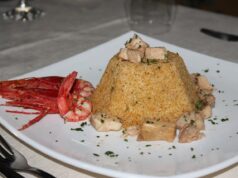
One of the most iconic dishes of South Tunisia is couscous, a tiny semolina pasta that is steamed and served with a variety of vegetables, meats, and sauces. The preparation of couscous can be a labor-intensive process, requiring multiple washings of the semolina to remove any impurities before cooking.
Labidi is working to document these traditional cooking techniques and share them with a wider audience. By doing so, he hopes to ensure that future generations have the tools they need to preserve this rich culinary heritage.
Food Festivals and Events
One of the ways Labidi is working to raise awareness about South Tunisian cuisine is through food festivals and events. These gatherings provide a platform for chefs, producers, and enthusiasts to come together and celebrate the region’s culinary traditions.
One such event is the Djerba International Festival of Handicrafts, which showcases not only the area’s food but also its traditional crafts, music, and dance. These events not only help to preserve the region’s cultural heritage but also provide an economic boost to local communities.
Labidi is working to organize more of these events both in Tunisia and abroad, with the goal of sharing the flavors and traditions of South Tunisia with a wider audience.
The Importance of Preservation
Preserving the culinary heritage of South Tunisia is essential not only for its cultural significance but also for its economic potential. By promoting and preserving traditional dishes, ingredients, and cooking techniques, Labidi hopes to create new opportunities for local producers and chefs.
Furthermore, by sharing the flavors of South Tunisia with the world, Labidi hopes to foster a greater appreciation for Tunisian cuisine and encourage more travelers to visit the region and experience its rich culinary traditions firsthand.
As members of the Maghrebi diaspora, we have a unique opportunity to support this effort. By learning about and celebrating the culinary heritage of South Tunisia, we can help to preserve it for future generations and ensure that its flavors live on.
Call to Action
If you are interested in learning more about Malek Labidi’s work or supporting the preservation of South Tunisia’s culinary heritage, there are several ways you can get involved:
- Follow Labidi on social media and stay up-to-date on his latest projects and events.
- Visit South Tunisia and experience its rich culinary traditions firsthand. This will not only give you a deeper appreciation for the region’s cuisine but also provide an opportunity to support local producers and chefs.
- Support local producers by purchasing their products when you visit the region or online. This will help to ensure that traditional methods of production are preserved and passed down to future generations.
- Share your experiences of South Tunisian cuisine with others and help to spread awareness about this precious heritage. Whether through social media, food blogging, or simply sharing stories with friends and family, every effort counts.
Together, we can help to preserve the culinary heritage of South Tunisia for generations to come.
You might also enjoy
Related Articles
- Reviving South Tunisia’s Culinary Heritage with Malek Labidi: A Call to Action for Maghrebi Diaspora
- Preserving the Culinary Heritage of South Tunisia through Malek Labidi’s Archive: A Treasure Trove for Maghrebi Diaspora
- Unveiling Authentic Tunisian and Moroccan Cuisine in Bradford: A Culinary Journey for the Maghrebi Diaspora
- Authentic Tunisian Cuisine in Marseille: A Culinary Journey for Maghrebi Diaspora Readers
- Preserving the Culinary Richness of South Tunisia: An Initiative by Malek Labidi