Discovering Morocco’s Rich Judeo-Amazigh Cultural Heritage: A Journey Through Time
Welcome to this fascinating journey through the rich and diverse cultural heritage of Morocco, where we’ll delve into the intricate threads of its Judeo-Amazigh legacy. This melting pot of cultures has always been a hallmark of Moroccan identity, with the Jewish and Amazigh communities leaving an indelible mark on the country’s history.
For over 2,000 years, Jews have called Morocco home, their presence dating back to around 586 BC when the first recorded Jewish settlers arrived. Meanwhile, the Amazigh people, also known as Berbers, have been inhabiting this region for more than 10,000 years – a testament to their deep roots in Moroccan soil.
The Historical Roots: A Brief Overview
As we explore Morocco’s Judeo-Amazigh cultural heritage, it’s essential to understand the historical context that has shaped these communities. From ancient trade routes to Islamic invasions and European colonization, Morocco’s history is a rich tapestry of influences.
The Jewish presence in Morocco was marked by periods of relative harmony and coexistence with the Amazigh people. This unique synergy can be seen in the country’s architecture, music, cuisine, and folklores, where Jewish and Amazigh traditions have blended together in a beautiful dance of cultural exchange.
The resilience and adaptability of these communities are perhaps best exemplified by their ability to weather various invasions, migrations, and political changes while preserving their distinct identities. This remarkable legacy is a testament to the power of cultural heritage in shaping our sense of self and community.
Architectural Marvels: Synagogues and Kasbahs
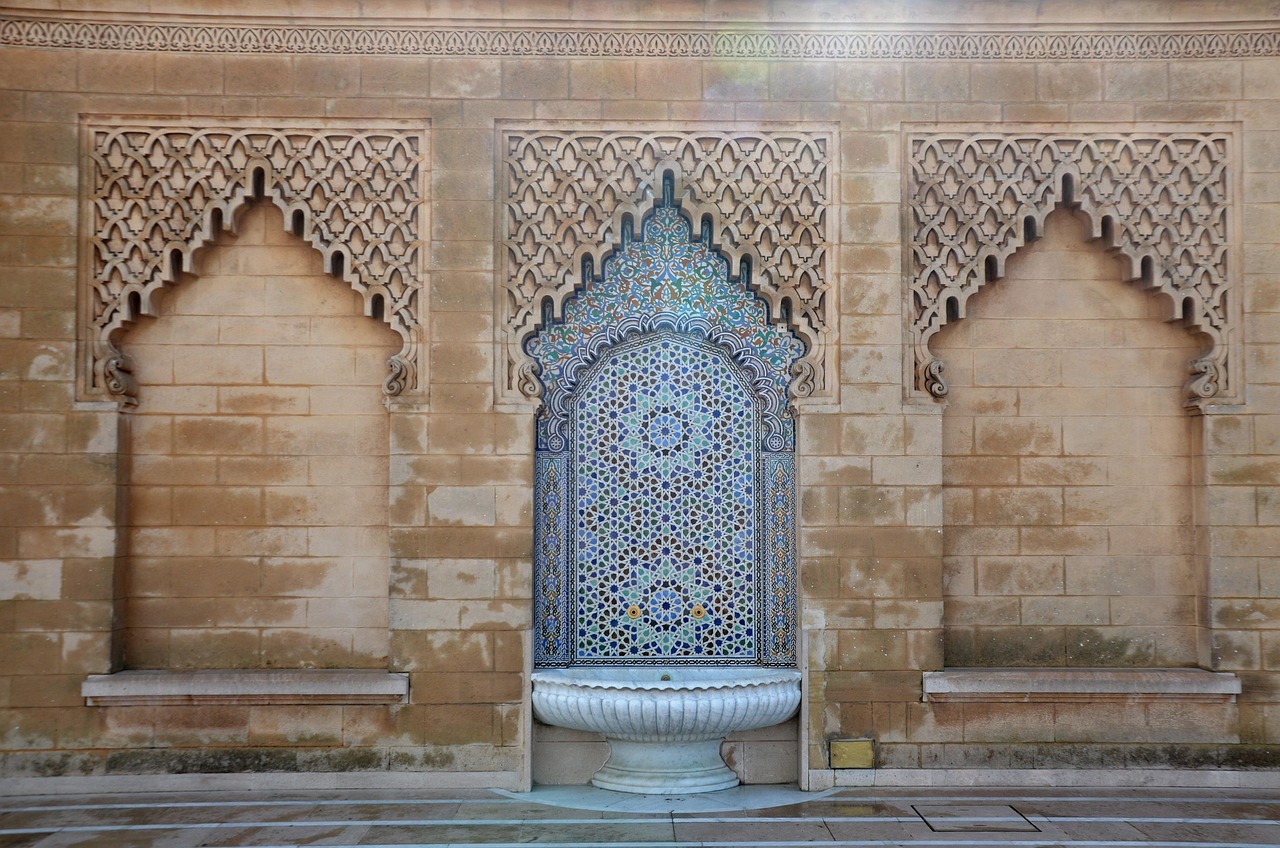
Morocco’s architectural landscape is dotted with stunning synagogues and fortified kasbahs, many of which bear the imprint of Judeo-Amazigh artistry. The ancient Elatta Synagogue in Essaouira, for instance, was built by Sephardic Jews in the late 18th century and features breathtaking blue and white ceramic tiles that reflect both Jewish and Amazigh design influences.
Kasbahs like Ait Benhaddou and Telouet are equally impressive, showcasing a blend of Islamic, Jewish, and Amazigh architectural styles. These magnificent fortresses tell tales of the complex relationships between Morocco’s diverse communities throughout history – a testament to the country’s rich cultural heritage.
Music and Folklore: The Rhythms of Coexistence
Moroccan music is a kaleidoscope of sounds, with Jewish and Amazigh traditions playing significant roles in shaping its rhythmic diversity. Gnawa music, for example, has roots in sub-Saharan Africa and was brought to Morocco by enslaved peoples. Over time, it incorporated Jewish and Amazigh elements, giving birth to a unique blend of spiritual and earthy melodies that continue to captivate Moroccan audiences.
In folklore, the stories of Jewish sages (Hakhamim) and Amazigh heroes (Ait Ayyub) share common themes of wisdom, courage, and resilience. These tales have been passed down through generations, highlighting the cultural intertwining that defines Morocco’s identity.
Culinary Delights: A Symphony of Flavors
Moroccan cuisine is renowned for its exotic spices and harmonious blending of flavors – a testament to the fusion of Jewish and Amazigh culinary traditions. Dishes like Harira (a traditional lentil soup) and Chakhchoukha (a spicy pepper sauce) reflect both communities’ use of local ingredients and preservation techniques.
The ritualistic aspects of Jewish and Amazigh religious practices have also influenced Moroccan culinary customs, such as the communal breaking of bread during Passover (Pesach) or the preparation of traditional Amazigh Tajine dishes on special occasions.
Preserving the Legacy: A Call to Action
As we appreciate Morocco’s rich Judeo-Amazigh cultural heritage, it is crucial that we work together to preserve and promote these invaluable traditions for future generations. By supporting initiatives like restoration projects for historic synagogues, documenting Amazigh oral histories, and fostering cultural exchange programs, we can ensure that the spirit of coexistence continues to thrive in Morocco.
Let us celebrate and share our collective pride in this extraordinary cultural tapestry as a source of inspiration and unity for all Moroccans. By embracing our shared heritage, we can build bridges between communities and foster a deeper understanding of the complex, yet beautiful, cultural landscape that defines Morocco.
You might also enjoy
Related Articles
- Exploring Morocco’s Judeo-Amazigh Heritage: A Deep Dive into North African Ethno-Religious Synthesis
- Embracing Amazigh Culture in Family Life: A Journey for Maghrebi Diaspora
- Reviving Amazigh Culture in Morocco: Overcoming Challenges for a Brighter Future
- Experience Moroccan Culture in Atlanta Ahead of Morocco vs. Haiti Match
- Preserving Amazigh Culture in Morocco: Challenges and Future Opportunities