Exploring North Africa’s Ancient Civilizations: Phoenicians, Egyptians, and Beyond
Welcome to our journey through the rich history of North Africa! Today, we’re going to delve into the fascinating stories, cultures, and legacies of its ancient civilizations – the Phoenicians, Egyptians, and beyond. As we explore this incredible region, we’ll discover how these ancient cultures continue to shape our understanding of the world today.
The Phoenicians: Master Mariners of the Mediterranean
Founded around 1500 BCE in present-day Lebanon, the Phoenicians were a maritime trading powerhouse renowned for their advanced skills in navigation and shipbuilding. Their capital city, Tyre, was one of the most important ports of the ancient world, with trade connections stretching from Greece to Egypt.
The Phoenicians left an indelible mark on North Africa, establishing major settlements in present-day Tunisia (Carthage) and Morocco (Lixus). Carthage, in particular, became a key player in the Mediterranean, rivaling even Rome itself. The Punic Wars, fought between Rome and Carthage, are an enduring testament to their power and influence.
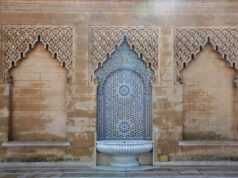
Culturally, the Phoenicians were celebrated for their artistic prowess, with striking examples of their craftsmanship found in numerous archaeological sites across North Africa. The iconic mosaics of Carthage and Sousse are just a few examples of this legacy, showcasing intricate designs that continue to inspire artists today.
From architecture to art, the Phoenicians’ influence can be seen throughout North Africa. Their expertise in shipbuilding, for instance, is reflected in the remains of ancient ports like Carthage and Lixus. Meanwhile, their artistic skills are evident in the many mosaics and artifacts that have been unearthed across the region.
The Egyptians: A Civilization of Monumental Proportions
Ancient Egypt, with its majestic pyramids, hieroglyphs, and rich mythology, is one of the most celebrated civilizations in human history. Despite its geographical distance from North Africa, it played a significant role in shaping the region’s culture.
Egyptian influence can be traced back to the Predynastic period (c. 6000-3100 BCE), during which Egyptians migrated to present-day Libya and established settlements such as Siwa Oasis. The Ptolemaic dynasty, founded by one of Alexander the Great’s generals, even had its capital in Alexandria, Egypt – a testament to the enduring bond between Egypt and North Africa.
Many elements of ancient Egyptian culture persisted in North Africa long after the decline of Egypt itself. For instance, the Roman city of Leptis Magna in present-day Libya boasts a magnificent Roman amphitheater that incorporates many architectural features reminiscent of Egyptian temples.
The legacy of Egypt’s pharaohs can be seen in the many temples and monuments throughout North Africa, including the iconic Sahara Desert temple complex at Siwa Oasis. Meanwhile, the Ptolemaic dynasty left its mark on the region through the spread of Greek culture and language – a testament to the complexity and richness of North African history.
Berbers: The Indigenous People of North Africa
The Berbers, also known as Amazigh, are the indigenous people of North Africa who have been inhabiting the region for thousands of years. Their rich culture and history predate many of the better-known ancient civilizations that graced the continent.
Berber influences can be seen in various aspects of North African life, including language, art, and architecture. For instance, Berber languages are still spoken by millions across North Africa today, and their unique script, Tifinagh, is a testament to their ancient roots.
The Roman conquest of North Africa did not erase Berber culture but rather led to its integration with the Roman world. As a result, many modern North African cities, such as Algiers and Fez, have both Roman and Berber architectural influences – a reflection of the complex cultural heritage that has shaped this region.
Carthaginian-Punic Influence on Roman North Africa
The Punic Wars ultimately led to the Roman conquest of Carthage in 146 BCE. However, the influence of the Phoenicians (and by extension, Carthage) on Roman North Africa remained significant.
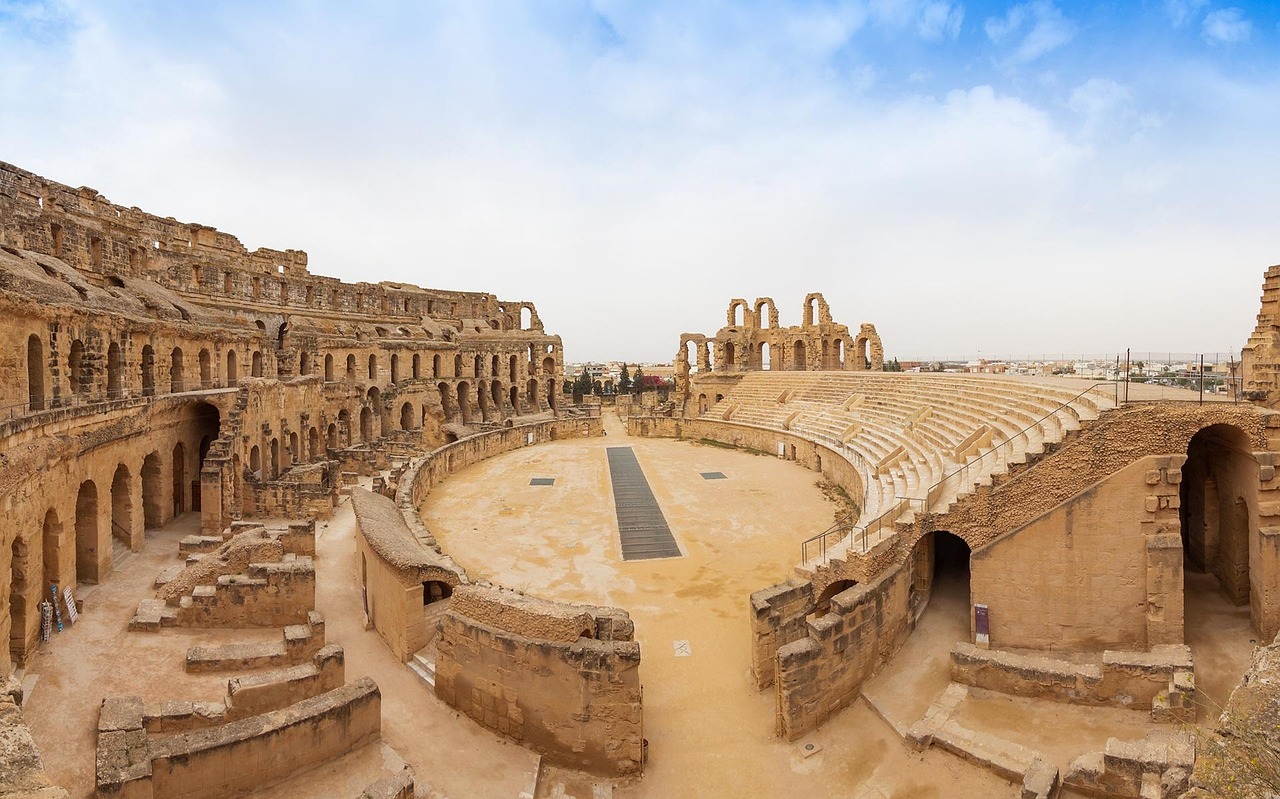
Roman North Africa was heavily influenced by its Punic predecessors, with many cities adopting Punic-style architecture and administrative structures. For example, the Roman city of Thysdrus in present-day Tunisia maintained its Carthaginian name (El Djem) long after Rome’s conquest – a testament to the enduring legacy of Carthage.
Moreover, the Romans adopted elements from Punic religion and mythology, such as the worship of Baal Hammon and Tanit. These deities continue to hold an important place in modern Tunisian culture, with annual festivals dedicated to them still taking place today – a celebration of the region’s rich cultural heritage.
A Call to Action
As we delve deeper into the rich history of North Africa, let’s cherish and celebrate our shared heritage. By understanding the past, we can better appreciate the present and look forward to a bright future. Stay curious, explore, and share your discoveries with others – there’s always more to learn!
Remember to visit museums, historical sites, and libraries to continue uncovering the ancient stories of North Africa. And most importantly, take pride in the amazing civilizations that have shaped our continent.
You might also enjoy
Related Articles
- Exploring the Judeo-Amazigh Cultural Substratum: Integrating Ethno-Religious Synthesis in North Africa
- Journey Through North Africa’s Roman Ruins: A Comprehensive Guide for Maghrebi Diaspora Travelers
- Journey Through Time: Exploring North African Roman Ruins
- Exploring the Rich Tapestry of Moroccan Jewish Culture: An Ethnographic Journey
- Coptic, Nubian, and Berber Languages: Preserving North Africa’s Rich Cultural Heritage