Rediscovering Morocco’s Amazigh Culture: Shifts and Revival
Welcome back to our little corner of the internet, where we explore the rich cultural heritage of our beloved homeland – Morocco! Today, we’re delving into the fascinating story of the Amazigh people, who have been an integral part of Morocco’s tapestry for centuries. Join us as we uncover the history, shifts, and ongoing revival that has captivated our hearts.
For far too long, the Amazigh people’s unique identity has been overshadowed by the dominant Arab-Islamic culture. But in recent years, there’s been a surge of interest in reviving and celebrating this vibrant heritage. And we’re excited to be a part of it!
The Origins of Amazigh Culture: A Brief Overview
Amazigh culture has its roots over 3,000 years ago, when the Berber civilizations thrived across North Africa. This ancient ethnic group boasts an incredible history and diverse dialects, with an estimated 40 million speakers worldwide.
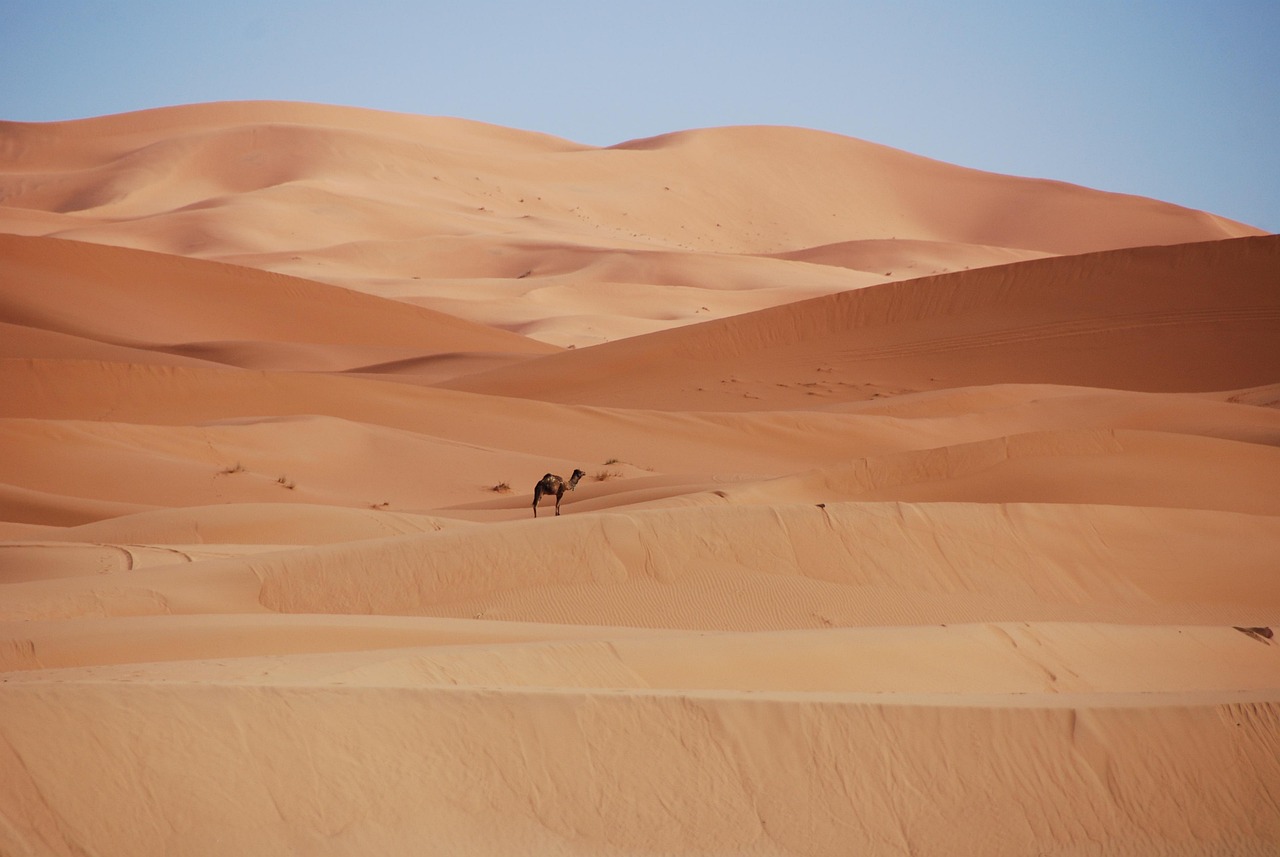
The Amazigh people have adapted to various environments – from the rugged Atlas Mountains to the arid Sahara Desert. Their resilience and ingenuity are evident in their architecture, pottery, music, and arts – each reflecting a deep connection with nature and ancestral wisdom.
Traditional Amazigh society is characterized by strong kinship bonds, communal living, and mutual aid. The Amazigh believe in harmony between humans and the environment, exemplified by their respect for natural resources and the deities associated with them. This unique worldview has allowed the Amazigh to thrive in some of the harshest environments on earth.
Colonial Impact and Suppression
The arrival of Arab-Muslim conquerors in the 7th century marked a turning point for Amazigh culture. While Arabic became the predominant language, the Amazigh language persisted in rural areas – a testament to their enduring spirit.
European colonization during the 20th century intensified the suppression of Amazigh identity. The French and Spanish administrations sought to assimilate Berber populations into their respective cultural spheres. The Berber alphabet was banned, traditional practices were forbidden, and even Berber names were changed – a brutal attempt to erase the Amazigh people’s very existence.
The Amazigh resistance against colonial rule is a testament to their unbreakable spirit. Rebellions like the Rif War (1920-1926) led by Abd el-Krim and the Free Zone movement under Mohammed Ben Ali highlighted the desire for self-determination and preservation of Amazigh identity.
The Berberization Movement: A Fight for Recognition
In the aftermath of Morocco’s independence in 1956, the Berberization movement emerged as a response to continued marginalization of Amazigh culture. Prominent figures like Mohammed Hamoudi Al-Masarawi and Allal al-Fassi advocated for the rights of the Amazigh people and worked towards revitalizing the Tamazight language.
Their efforts culminated in the Berber Language Charter, which was adopted by the Moroccan government in 1994, recognizing Tamazight as an official language alongside Arabic. This monumental step paved the way for the ongoing revival of Amazigh culture and identity.
Since then, there have been numerous initiatives to promote Amazigh culture and language – from schools teaching Tamazight to traditional festivals like Aït-Akkach and Imilchil being celebrated nationwide. The tide is slowly turning in favor of the Amazigh people’s rich heritage.
The Amazonian Renaissance: Embracing Identity
Today, Morocco is witnessing an exciting Amazonian renaissance, with a growing recognition and appreciation for Amazigh heritage among both the Amazigh population and wider society. This resurgence has fostered a sense of pride among the Amazigh community and encouraged dialogue between different ethnic groups within Morocco.
Amazigh artists, writers, and musicians have gained prominence in various fields, using their work to celebrate and preserve Amazigh identity. This renaissance has also led to the creation of cultural institutions like the National Federation for Amazigh Culture (FNCA) in 2015 – a beacon of hope for the future of Amazigh heritage.
Moreover, the Moroccan government has made strides in promoting Amazigh culture, including the recognition of Tamazight as an official language and the establishment of cultural centers that celebrate Amazigh traditions. The time is ripe to connect with our roots and support this incredible revival.
A Call to Action: Connecting with Our Roots
As members of the Maghrebi diaspora, it’s crucial that we stay informed about and support the ongoing revival of Morocco’s Amazigh culture. Whether through learning Tamazight, attending cultural events, or engaging with fellow Amazigh community members – there are numerous ways to connect with our shared heritage.
Let us continue to celebrate and uplift our roots, ensuring a bright future for the Amazigh people and their incredible culture. Together, we can make a difference and honor the resilience and diversity of our beloved homeland – Morocco!
You might also enjoy
Related Articles
- Exploring Morocco’s Amazigh Revival: Identity and Cultural Heritage
- Exploring the Judeo-Amazigh Cultural Substratum: Integrating Ethno-Religious Synthesis in North Africa
- Empowering Cultural Trends: Modest Fashion in North Africa
- Journey Through North Africa’s Roman Ruins: A Comprehensive Guide for Maghrebi Diaspora Travelers
- Delving into the Judeo-Amazigh Cultural Substratum: A Comprehensive Analysis