Unveiling North Africa’s Rich History and Phoenician Influence: A Journey Through Time
Welcome to this fascinating journey through the ages, as we delve into the profound and lasting impact of the ancient Phoenicians on North Africa. As descendants of this diverse region, understanding our roots is essential in appreciating our cultural heritage and connecting with our shared history.
The Phoenician Origins: A Brief Overview
It’s hard to overstate the significance of the Phoenicians’ emergence in the Eastern Mediterranean around 1550 BC. This maritime civilization was renowned for its advanced shipbuilding and trading skills, which enabled them to establish colonies along the North African coast. In fact, their influence can still be seen in various aspects of modern-day Morocco, Tunisia, Algeria, Libya, and even Malta.
Phoenicia was divided into fifteen city-states, with Tyre and Sidon being the most powerful. It’s fascinating to learn that the Phoenicians were known for their innovative use of alphabet, which they developed from the earlier Proto-Canaanite script. This alphabet later evolved into the Greek, Latin, and Hebrew alphabets – a testament to their lasting impact on languages.
The Phoenicians’ economic strength was built on their maritime trade network, which extended as far as Spain, Britain, and western Africa. Their primary exports included purple dye, textiles, silverware, and glassware, while they imported precious metals, minerals, timber, grain, and livestock. This extensive network played a crucial role in shaping the region’s economy.
The Phoenician Colonies in North Africa: A Legacy of Culture
Phoenician colonies in North Africa were strategically established for trade purposes. The most prominent ones include Carthage (modern-day Tunisia), Utica (also in Tunisia), and Lixus (Morocco). These cities flourished, becoming centers of commerce, culture, and learning.
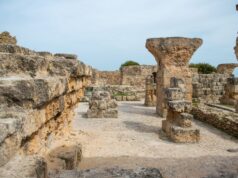
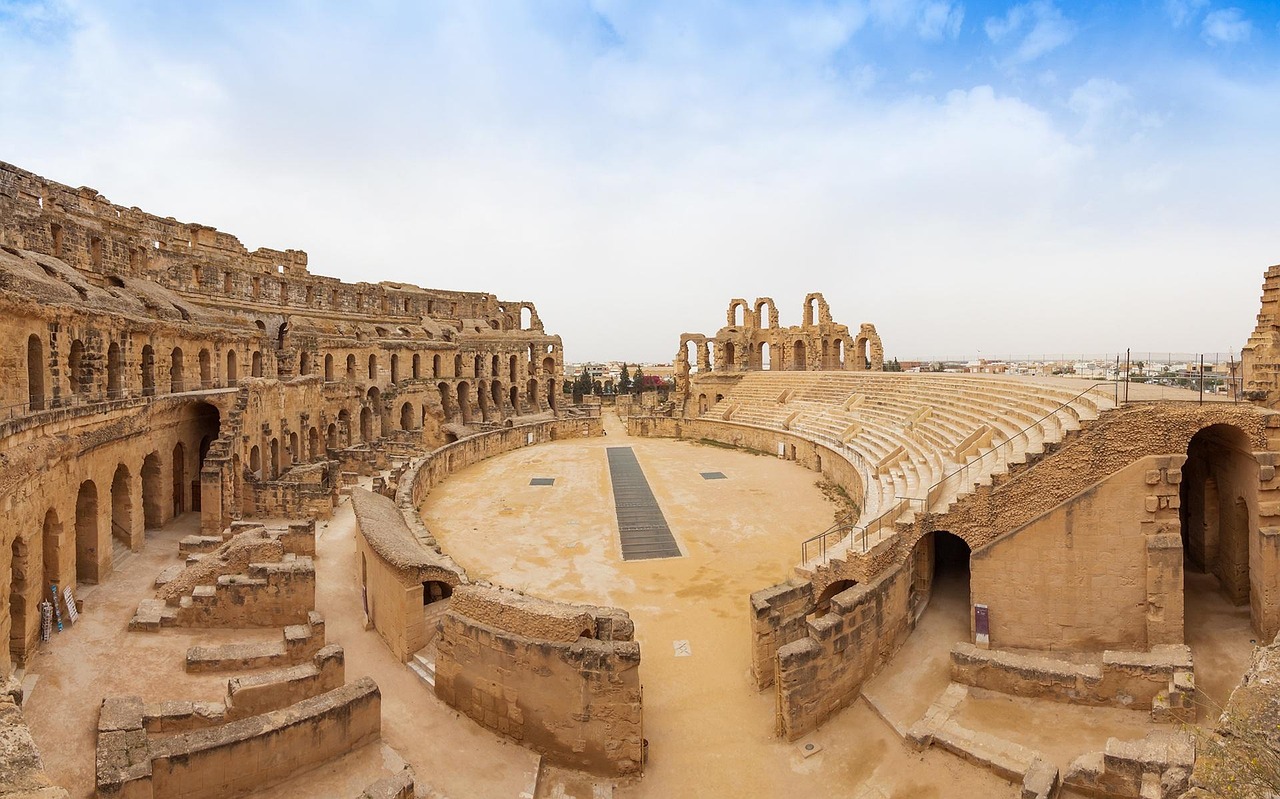
Carthage, in particular, was a formidable rival to Rome during the Punic Wars. The city’s architecture, urban planning, and legal system have left an indelible mark on modern North Africa, as seen in Tunisia’s ancient ruins and Roman-era remains. It’s awe-inspiring to think about the impact these ancient civilizations had on shaping the region we know today.
The Phoenicians also introduced new agricultural techniques to North Africa. They domesticated animals such as goats, sheep, and pigs, and cultivated crops like olives, grapes, and wheat. These practices eventually formed the basis of modern Mediterranean agriculture – a testament to their lasting influence on the region’s ecosystem.
Phoenician Art: The Interplay of Tradition and Innovation
Phoenician art is characterized by its attention to detail, craftsmanship, and elegance. They were renowned for their pottery, jewelry, and metalwork. Some notable examples include the famous bronze statue of Heracles from Carthage, intricate gold jewelry adorned with precious stones, and delicate mosaics.
One of the most striking aspects of Phoenician art was its blend of native traditions with foreign influences. This fusion resulted in unique styles that can still be appreciated in North African museums and archaeological sites – a testament to their enduring cultural impact.
The Legacy of Phoenician Language: The Punic Script
Phoenician language played a significant role in shaping the linguistic landscape of North Africa. The most notable remnant is the Punic script, which was used extensively in Carthage and other Phoenician colonies.
The Punic alphabet was a modified version of the Phoenician alphabet. It continued to evolve over time, influencing the development of Latin, Greek, and Hebrew scripts. Remnants of Punic inscriptions can still be found in North Africa, providing valuable insights into the culture and daily life of the ancient Phoenicians.
A Call to Action: Embracing Our Rich Heritage
As descendants of this rich history, it’s essential that we continue to explore, appreciate, and preserve our cultural heritage. Let us honor the Phoenicians who laid the foundation for modern North Africa by learning from their accomplishments and overcoming the challenges they faced.
Join us in celebrating our shared history, exploring ancient sites, and supporting efforts to conserve historical artifacts and monuments. Together, we can ensure that the legacy of the Phoenicians lives on for generations to come – a testament to the power of cultural preservation.
You might also enjoy
Related Articles
- Unveiling the Rich Cultural Tapestry: Phoenicians, Egyptians, and Ancient Civilizations in North Africa
- Unveiling the Judeo-Amazigh Cultural Substratum in North Africa: A Deep Dive
- Unveiling Hak Lmalh: A Deep Dive into a Moroccan Cultural Tradition
- Exploring North Africa: Air Travel Options with Royal Air Maroc and Air France for Maghrebi Diaspora
- Exploring the Rich History of Amazigh Art and Fashion: A Cultural Renaissance