Exploring the Rich History of Amazigh Art and Fashion: A Cultural Renaissance
Welcome to a captivating journey through the rich tapestry of Amazigh art and fashion – a testament to the resilience and creativity of the Maghrebi people. As members of the diaspora, it’s essential to celebrate and understand our roots, and delving into this cultural renaissance offers an enlightening glimpse into our shared heritage. From the intricate pottery and weaving that date back over three thousand years to the stunning mosaics found in Roman ruins across the region, Amazigh art has consistently showcased its unique identity.
The Genesis of Amazigh Art: A Timeless Tradition
Amazigh art has deep roots, dating back over three thousand years to the ancient Berber civilizations that flourished across North Africa. These early communities left a lasting impact on Amazigh artistic expression, as seen in their intricate pottery, weaving, and metalwork. The magnificent rock carvings at Aït Ouaghlis are just one example of the region’s rich cultural heritage.
Throughout history, Amazigh art has evolved while maintaining its distinct identity. From the stunning mosaics found in Roman ruins across the region to the beautiful textiles and jewelry that adorn the people of North Africa, Amazigh artists have consistently showcased their skills and creative vision. This evolution is evident in the various styles and techniques used by different Berber groups throughout history.
In more recent times, Amazigh art experienced a revival during the Algerian War of Independence (1954-1962), as rebel fighters used traditional Berber symbols to unite and defy their French colonizers. This period marked an important moment in the preservation and resurgence of Amazigh culture. The use of traditional Berber symbols on clothing, for example, helped to forge a strong sense of cultural identity among the rebels and their supporters.
Amazigh Fashion: A Celebration of Identity
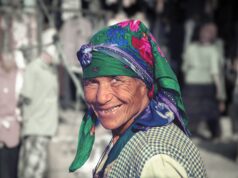
Amazigh fashion, like its art counterpart, is deeply rooted in tradition. The traditional female dress, known as tabeș or haik, features a long, flowing robe with wide sleeves and intricate embroidery, often adorned with silver jewelry. This beautiful garment has been worn for centuries, with each region and community adding their own unique twist to the design.
The male equivalent, the gabba or jellaba, is a loose-fitting robe that varies in length from ankle to floor. Both garments are typically made of wool or cotton and are decorated with intricate embroidery, beadwork, and metal thread. The use of these traditional garments has played an important role in preserving Amazigh cultural identity.
During the Algerian War of Independence, Amazigh fashion also played a significant role in uniting resistance fighters. The use of traditional Berber symbols on clothing helped to forge a strong sense of cultural identity among the rebels and their supporters.
The Modern Revival: A Blend of Past and Present
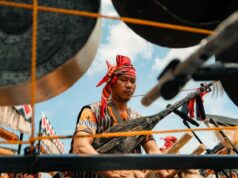
Today, Amazigh art and fashion are experiencing a modern revival, as younger generations seek to connect with their roots and celebrate their heritage. This cultural renaissance is seen in the rise of Berber-themed cafés, shops, and cultural events across the Maghreb.
Designers are also incorporating Amazigh motifs and techniques into contemporary clothing lines, creating a unique fusion of traditional artistry and modern style. The use of bold colors and geometric patterns is particularly prevalent in modern Amazigh fashion, paying homage to the region’s rich cultural heritage.
Moreover, the growing interest in Amazigh culture has led to increased recognition and preservation efforts. Organizations like the Union de l’Amazighe (Union of Amazigh People) are working to promote Berber languages and cultural practices, ensuring their continued vitality for future generations.
Preserving Our Heritage: A Call to Action
- Support local artists and artisans who create Amazigh art and fashion. By purchasing their work, you’re directly contributing to the preservation of this rich cultural heritage.
- Attend cultural events and exhibitions showcasing Amazigh artwork and traditions. These events not only celebrate the culture but also provide a platform for artists and artisans to share their skills and passion with others.
- Learn more about Berber languages, history, and customs to deepen your understanding of this rich culture. By educating yourself, you’re empowering yourself to be a part of the cultural renaissance.
- Share your knowledge with others in the diaspora, fostering a sense of community and connection. Together, we can work towards preserving our Amazigh heritage for future generations.
By embracing our Amazigh heritage, we can foster a deeper appreciation for the art and fashion that defines us as Maghrebi people. Let’s celebrate this cultural renaissance together, as we continue to honor and nurture the traditions that have shaped us.
You might also enjoy
Related Articles
- Unveiling the Judeo-Amazigh Cultural Substratum: A Deep Dive for Maghrebi Diaspora Readers
- Exploring the Challenges and Future Prospects of Amazigh Culture in Morocco
- Exploring Amazigh Culture in Morocco: Challenges and Future Prospects
- Exploring Moroccan Cultural Destinations at Underground Atlanta: A Haven for Maghrebi Diaspora
- Embracing Ancient Roots and Modern Identity: Exploring Amazigh Culture in Morocco