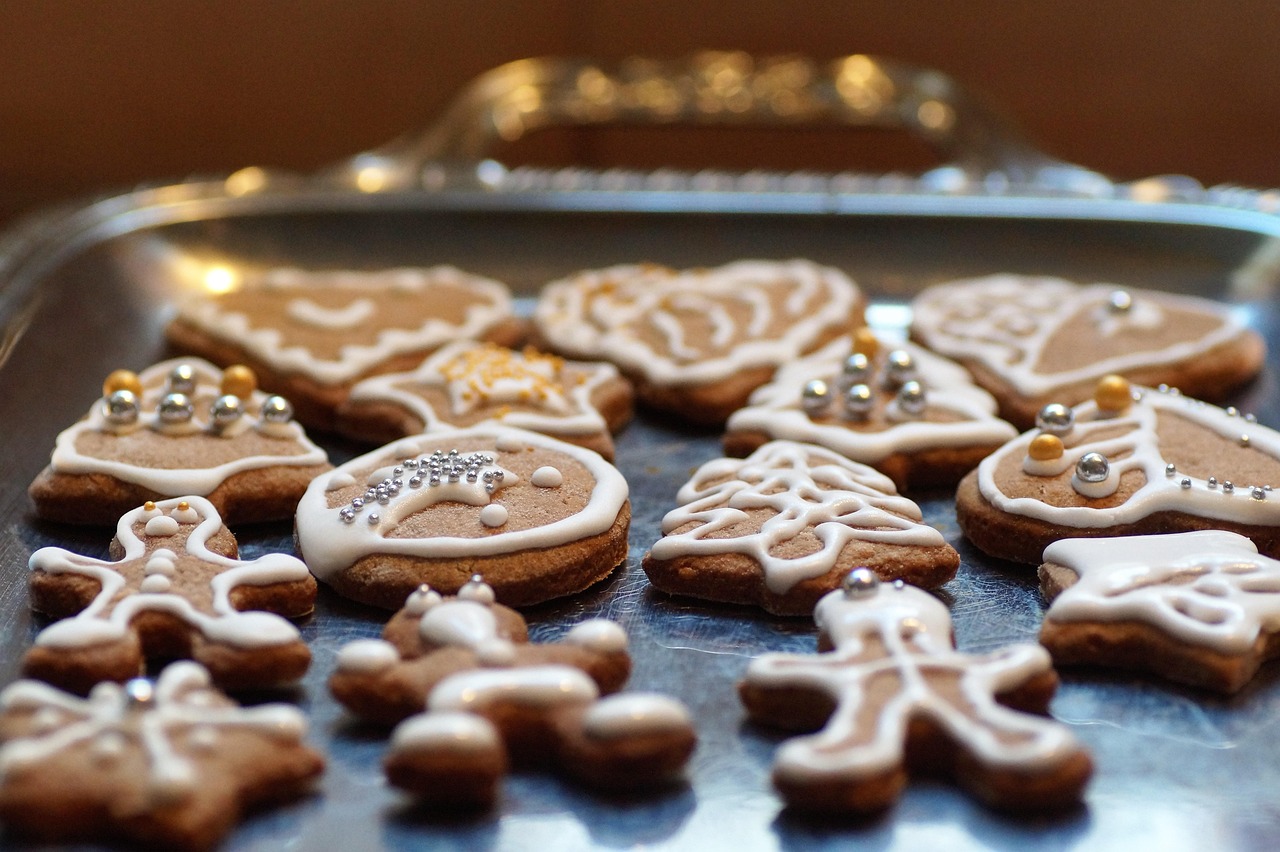
Eid al-Fitr is a time for joy, reunions, and indulgence in the Maghreb. And there’s no better way to celebrate than with a plate piled high with traditional cookies – from Algeria’s crumbly Khubz el Ghazal to Morocco’s sweet, nutty Makroudh. These recipes are handpicked for their authenticity and are guaranteed to bring a taste of home to your Eid celebrations, no matter where you are in the world. Whether you’re hosting an intimate gathering or a grand feast, these cookies will be the perfect addition to your spread. And who knows – they might just become a new family tradition!
History
The Maghreb region is steeped in history and culture, and its cookie traditions are no exception. Each North African country has its own unique take on cookie-making, reflecting the diverse influences that have shaped its culture over the centuries. From the Spanish Moors to the French settlers, each civilization has left its mark on the region’s cuisine – and cookies are no exception.
In every corner of the Maghreb, it’s traditional to bake and share these treats during Eid al-Fitr, as a symbol of unity, generosity, and hospitality. These sweet indulgences bring people together, fostering a sense of community and connection that transcends borders and cultures. So why not get into the spirit and try your hand at making some of these delicious cookies?
Algerian Khubz el Ghazal
Ingredients (makes 20)
- 450 g all-purpose flour
- 150 g unsalted butter, cold and diced
- 2 eggs
- 80 ml milk
- 75 g caster sugar
- Zest of 1 orange
- ½ tsp ground cinnamon
- Pinch of salt
- 2 tbsp rosewater (optional)
Step-by-Step Instructions
Prep time: 20 minutes | Cook time: 15 minutes | Difficulty: Easy
- Make the dough: rub the butter into the flour until it resembles breadcrumbs. Add sugar, orange zest, cinnamon, and salt, then crack in the eggs and mix to form a dough.
- Knead and rest: knead for 5 minutes until smooth, adding milk if needed to prevent sticking. Cover with cling film and let rest for 30 minutes.
- Roll and cut: roll out the dough to a thickness of 5mm. Cut into 7cm rounds using a cookie cutter or glass. Prick each round several times with a fork.
- Bake: preheat oven to 180°C (350°F). Bake for 12-15 minutes until golden brown, rotating the tray halfway through.
Tips
- If the dough is too sticky, add a little more flour or refrigerate for 15 minutes before rolling.
- For a delicate orange blossom flavor, use rosewater sparingly – it can be overpowering. Start with a small amount (1 tsp) and adjust to taste.
Tunisian M’hencha
Ingredients (makes 20)
- 500 g fresh green almond paste (pâte d’amandes vertes)
- 175 g icing sugar, plus extra for dusting
- 1 tsp ground cinnamon
- 200 g filo pastry
- 1 egg yolk
- 1 tbsp sesame seeds
- 300 ml vegetable oil, for frying
Step-by-Step Instructions
Prep time: 25 minutes | Cook time: 15 minutes | Difficulty: Medium
- Make the filling: mix almond paste with icing sugar and cinnamon until smooth.
- Roll and fill the pastry: cut filo into 20 rectangles, then brush each rectangle with egg yolk. Spoon a heaped tablespoon of almond mixture onto one end of each rectangle, roll up tightly to form a long tube, then twist each end to form a coil.
- Fry and cool: heat oil in a large frying pan over medium-high heat. Fry the m’hencha for 1-2 minutes until golden brown, then drain on kitchen paper. Dust with icing sugar and sesame seeds before serving.
Tips
- Green almond paste can be tricky to find – try a Middle Eastern grocery store or make your own by blanching, peeling, and grinding fresh almonds.
- These m’hencha are best enjoyed on the day they’re made as they tend to dry out after a few hours. If you do need to store them, keep them in an airtight container and serve within 24 hours.
Moroccan Makroudh
Ingredients (makes 15)
- 750 g semolina
- 450 ml water
- 8 tbsp vegetable oil
- 250 g date paste (marzipan-like)
- 1 tbsp sesame seeds, for sprinkling
Step-by-Step Instructions
Prep time: 45 minutes | Cook time: 20 minutes | Difficulty: Medium
- Make the dough: mix semolina, water, and oil in a large bowl until smooth. Knead for 10 minutes until elastic.
- Roll and fill: roll out the dough into a rectangle about 2cm thick. Spread date paste evenly over the surface, then fold the dough over itself, pressing to seal any gaps.
- Cut and fry: cut the filled dough into rectangles, then deep-fry in hot oil for 3-4 minutes until golden brown. Drain on kitchen paper, sprinkle with sesame seeds, and serve warm.
Tips
- For a nutty twist, try adding chopped almonds to the date paste filling.
- These makroudh are best enjoyed within 2 days of making as they can become soggy. If you do need to store them, keep them in an airtight container and serve within 24 hours.
And there you have it – three delicious Maghrebi cookie recipes to add some authentic flavor to your Eid celebrations. Whether you’re looking for a sweet treat or a crunchy snack, these cookies are sure to please even the most discerning palate. So go ahead, get baking, and make this Eid one to remember!
You might also enjoy
Related Articles
- Exploring Amazigh Culture in Morocco: A Comprehensive Guide for Maghrebi Diaspora
- Delightful Eid al-Fitr Recipes for Maghrebi Diaspora: A Culinary Journey Home
- Celebrating Eid Al-Fitr with Traditional Moroccan Eid Cookies: A Culinary Journey for Maghrebi Diaspora
- Exploring Europe and North Africa with Holland America Cruises: A Comprehensive Guide for Maghrebi Diaspora Readers
- Harnessing Innovation, Commerce, and English Language Collaboration Opportunities in Algeria: A Guide for the Maghrebi Diaspora