Celebrating Eid Al-Fitr with Traditional Moroccan Eid Cookies: A Culinary Journey for Maghrebi Diaspora
As the holy month of Ramadan comes to a close, our thoughts turn to the joyous celebrations that await us on Eid al-Fitr. For those in the Maghrebi diaspora, this festive occasion is an opportunity to reconnect with our heritage and traditions. And what better way to do so than by baking traditional Moroccan Eid cookies, or ‘Khaychia’ or ‘Ma’mounia’? These delectable treats have been a staple of Moroccan culture for centuries, and their rich history, preparation process, and significance are just waiting to be explored.
The Rich History of Moroccan Eid Cookies
The exact origin of these cookies is unclear, but it’s believed that they were first prepared during the reign of Sultan Mohammed V in the 17th century. Over time, the tradition has evolved, with each region in Morocco adding its unique twist to the recipe. From the intricate designs of Fez to the subtle flavor variations across the Rif Mountains, every bite is a testament to Morocco’s rich cultural heritage.
These cookies are not just a delicious treat; they’re also a symbol of abundance, hospitality, and unity – values that are deeply rooted in Moroccan culture. As we prepare to break our fast on Eid al-Fitr, the tradition of baking these cookies is a powerful reminder of the importance of community and connection.
The Art of Preparing Traditional Moroccan Eid Cookies
Making traditional Moroccan Eid cookies is an art form that requires precision, patience, and a deep understanding of the ingredients’ nuances. The process begins with blanching, peeling, and grinding almonds into a fine paste. This paste is then combined with honey, sugar, rosewater, and semolina to create the cookie dough.
The dough is shaped into small balls or intricate designs, depending on the region’s tradition. In Fez, for example, the cookies are often shaped into flowers or geometric patterns, while in Marrakech, they’re larger and softer, flavored with cinnamon and ginger. Each region has its unique twist, reflecting Morocco’s rich cultural diversity.
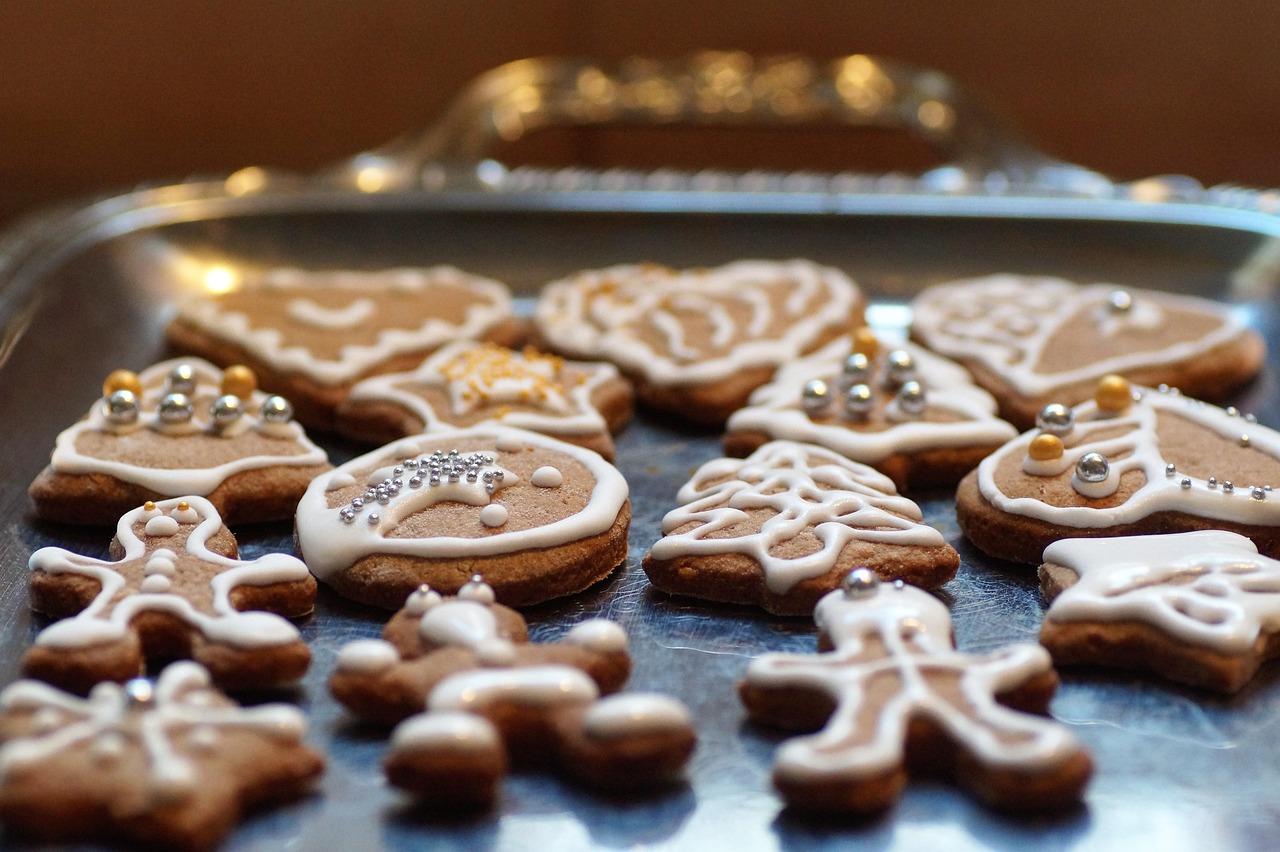
The cookies are baked until golden brown, filling the air with the sweet aroma of Ramadan and Eid. Once cooled, they’re dusted with powdered sugar, further enhancing their appeal. The end result is a cookie that’s not only delicious but also a testament to the love and care that goes into preparing it.
Regional Variations: A Taste of Morocco’s Cultural Diversity
- Fez: Known for their intricate designs, Fez cookies are often shaped into flowers or geometric patterns. The dough is sometimes flavored with orange blossom water or cinnamon.
- Marrakech: Marrakech’s cookies are larger and softer, flavored with cinnamon and ginger. They’re often served with mint tea during Eid celebrations.
- Casablanca: Casablanca’s cookies are smaller, more delicate, and often dusted generously with powdered sugar.
Sharing Tradition: A Call to Action
As we celebrate Eid al-Fitr this year, let us not forget the rich traditions that bind us together. Whether you’re in the Maghrebi diaspora or back home, take a moment to prepare these traditional Moroccan Eid cookies. Share them with loved ones and pass on the culinary heritage that has been part of our culture for centuries.
Let’s keep our traditions alive, one bite at a time. By sharing this tradition with others, we’re not only preserving our cultural heritage but also building bridges between cultures and communities. So go ahead, get baking, and let the aroma of Eid cookies fill your home with love, warmth, and connection.
You might also enjoy
Related Articles
- Unveiling Authentic Tunisian and Moroccan Cuisine in Bradford: A Culinary Journey for the Maghrebi Diaspora
- Authentic Tunisian Cuisine in Marseille: A Culinary Journey for Maghrebi Diaspora Readers
- FRMF’s New Summer Collection: A Celebration of Moroccan Culture for the Maghrebi Diaspora
- Bradford’s Tunisian-Moroccan Cafe: A Culinary Haven for the Maghrebi Diaspora in England
- Unveiling Amazigh Culture in Morocco: Challenges, Prospects, and Empowering the Maghrebi Diaspora