Exploring Amazigh Culture in Morocco: A Comprehensive Guide for Maghrebi Diaspora
Welcome back to the heart of North Africa, where the warmth of hospitality and the richness of culture await! As members of the Maghrebi diaspora, we share a unique connection to the diverse cultures that make up this region. Today, let’s embark on an exciting journey to explore one of the most fascinating aspects of Morocco: the Amazigh culture.
The Amazigh people, also known as Berbers, are the indigenous population of North Africa, with a history that predates the Arab conquest by centuries. Their profound influence on Moroccan society is evident in its language, music, art, and traditions. As we delve into the world of the Amazigh, let’s start by exploring their unique languages.
Berber Languages: A Unique Tongue
The Amazigh people have their own set of languages, collectively known as Berber. These languages are distinct from Arabic and have been spoken for millennia. In Morocco, Tamazight is the most widely spoken Berber language, with its roots dating back to the pre-Arab era.
Over the years, Berber languages have faced challenges in official recognition and education. However, a growing movement for Berber rights has led to increased visibility and acceptance of these languages in Moroccan society. Today, many Moroccans are proud to speak their native language, and it’s not uncommon to hear Berber dialects being spoken on the streets.
For those eager to learn more about Berber languages, Morocco offers a range of opportunities for linguistic immersion. Consider attending language classes or workshops during your visit, where you can engage with local speakers and gain a deeper understanding of their history and culture.
Amazigh Art and Architecture: A Visual Symphony
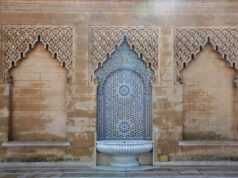
The Amazigh influence on Moroccan art and architecture is evident in various forms, from traditional Berber jewelry to ancient rock carvings and kasbahs. The Atlas Mountains are home to some of the most impressive examples of Amazigh architecture, with its kasbahs built using mud bricks and earth.
These fortified villages are a testament to the ingenuity and resilience of the Amazigh people, who have adapted their buildings to the harsh desert environment. Today, many kasbahs have been restored and transformed into museums, hotels, or cultural centers, providing visitors with a glimpse into Amazigh history and artistry.
Don’t miss the opportunity to explore these breathtaking structures during your travels through Morocco. Wander through the narrow streets, taking in the vibrant colors and intricate patterns that adorn the walls, and imagine the stories that have been told within their ancient walls.
Berber Music: The Heartbeat of the Sahara
Music plays an essential role in Berber culture, serving as a means to tell stories, preserve traditions, and express emotions. Berber music is diverse, encompassing a wide range of styles from the highlands to the Sahara desert.
One popular genre is Gnawa music, which originated among the slaves brought to Morocco from sub-Saharan Africa. Gnawa musicians use trance-inducing rhythms and hypnotic chants to communicate with spirits believed to have healing powers.
During your visit to Morocco, attend a live performance or music festival to experience the captivating sounds of Berber music firsthand. Engage with local musicians, and let their artistry transport you to a world of vibrant colors and rhythmic beats.
Amazigh Cuisine: A Taste of Tradition
Berber cuisine reflects the diversity of ingredients available across Morocco’s landscapes, from the coastal cities to the arid desert regions. Some popular dishes include couscous, tagine, and msemen, which are all deeply rooted in Berber tradition.
Couscous is a staple in Berber cuisine, with its steamed mixture of semolina and water often served with vegetables, meat, or fish, accompanied by a variety of salads and condiments. Join a cooking class during your visit to Morocco, where you can learn the secrets behind this beloved dish and gain valuable culinary skills.
By exploring Amazigh cuisine, you’ll not only deepen your understanding of Berber culture but also experience the warmth and hospitality that defines Moroccan society. So, come with an empty stomach and a curious palate, ready to embark on a gastronomic adventure!
Connecting with the Amazigh Community: A Call to Action
As members of the Maghrebi diaspora, we have a unique opportunity to connect with our roots and learn from the Amazigh people. By supporting their efforts to preserve their language, art, music, and traditions, we contribute to a brighter future for this remarkable culture.
During your visit to Morocco, seek out opportunities to engage with the Amazigh community. Attend festivals, join workshops, or simply strike up conversations with locals. In doing so, you’ll not only gain a deeper appreciation for Amazigh culture but also help strengthen the bonds that unite us as descendants of this vibrant region.
Let’s use our visit to Morocco as an opportunity to connect with the Amazigh people and honor their rich cultural heritage. Together, let’s celebrate the beauty and diversity that defines this incredible region!
You might also enjoy
Related Articles
- Exploring Europe and North Africa with Holland America Cruises: A Comprehensive Guide for Maghrebi Diaspora Readers
- Navigating Travel in North Africa: A Practical Guide for Maghrebi Diaspora
- Unveiling Amazigh Culture in Morocco: Challenges, Prospects, and Empowering the Maghrebi Diaspora
- Navigating Travel Safety within the MENA Region: An Advisory Guide for Maghrebi Diaspora Readers
- Unveiling Amazigh Culture in Morocco: Exploring Challenges and Future Prospects