Unraveling Amazigh Culture in Morocco: Challenges, Opportunities, and a Path Forward
In the heart of North Africa, where the Atlas Mountains rise majestically, lies Morocco – a land rich in cultural diversity. Among its myriad ethnic groups, the Amazigh (Berbers) hold a significant place, their ancient roots intertwined with the very fabric of the nation’s identity. For centuries, this resilient culture has faced challenges and obstacles, yet they have managed to preserve their unique heritage, language, and customs. This article delves into the intricacies of Amazigh culture, exploring both the challenges that lie ahead and the opportunities for growth.
A Brief History: The Berber Heritage
The Amazigh people have an ancient civilization dating back over 5 millennia, making them one of the oldest populations in the world. Their unique language, Tamazight, has significantly shaped Morocco’s culture, yet they have often been marginalized by Arab-Islamic influences. The Berbers’ distinct dialects, customs, and religious beliefs continue to thrive in various regions across Morocco, a testament to their unyielding spirit and determination.
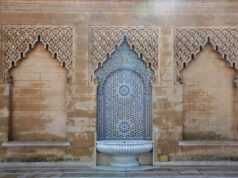
Throughout history, the Amazigh people have managed to preserve their identity through oral tradition, poetry, music, and art. Their rich cultural heritage is evident in the intricate Berber jewelry, colorful textiles, and traditional architecture that can be found across Morocco. Today, the Amazigh language is gaining recognition, with Tamazight being officially recognized as one of Morocco’s national languages in 2011.
The recognition of Tamazight has opened doors for further cultural preservation and education initiatives. The Amazigh people are now working to revitalize their language and customs, ensuring that their heritage is passed down to future generations.
Current Challenges: Navigating Modernity and Preservation
The Amazigh culture faces numerous challenges in the modern era. One significant hurdle is education, where many schools fail to adequately teach Tamazight or recognize its importance. This lack of language proficiency has led to a sense of disconnection among young Amazigh people, who struggle to connect with their cultural heritage.
Another challenge lies in the representation of Amazigh history and culture within mainstream media and academic institutions, which have traditionally focused on Arab-Islamic narratives. This imbalance can lead to a lack of understanding and appreciation for the Amazigh contribution to Moroccan society.
Socio-economic disparities persist between urban centers and rural regions, disproportionately affecting many Amazigh communities. These challenges hinder their full participation in the nation’s economic, political, and social life, perpetuating cycles of poverty and marginalization.
Cultural Revival: The Rise of Amazigh Identity
In recent years, there has been a resurgence of Amazigh identity, driven by a growing desire for cultural recognition and self-determination. This movement is manifested in various ways, from the revitalization of traditional arts and crafts to the promotion of Tamazight language education.
Amazigh activists have also advocated for regional autonomy, pushing for a more equitable distribution of resources and power between urban centers and rural Amazigh communities. This demand for greater control over their own affairs has led to increased political mobilization and community engagement.
The cultural revival has also attracted the attention of global organizations like UNESCO, which have supported initiatives aimed at preserving Berber heritage and promoting linguistic diversity.
Policy Measures: Empowering Amazigh Communities
To address the challenges facing the Amazigh culture, Morocco’s government has implemented several policy measures. For instance, the establishment of the National Authority for Amazigh Affairs in 2003 signaled a commitment to promoting and preserving Berber heritage.
Moreover, regional councils have been created to empower local communities, providing opportunities for Amazigh representation in decision-making processes. Additionally, efforts have been made to integrate Tamazight into education systems and official records, recognizing its importance as an official language.
- Improve the quality of Tamazight language education by increasing teacher training and curriculum development
- Promote the use of Tamazight in government administration through increased awareness and cultural sensitivity training for public servants
- Support cultural initiatives aimed at preserving Amazigh heritage, such as festivals, music programs, and traditional arts workshops
The Future of Amazigh Culture: A Collaborative Effort
To ensure a vibrant future for Amazigh culture, it is essential that all stakeholders – the Moroccan government, academia, civil society, and the diaspora – work together to address its challenges.
The diaspora plays a crucial role in this endeavor, offering resources, expertise, and advocacy. By staying informed about Amazigh issues and supporting relevant initiatives, we can help bridge the gap between cultures and promote mutual understanding and respect.
As we celebrate the resilience and richness of Amazigh culture, let us remember that its future lies in our collective hands – a future where both Arab-Islamic and Berber heritages coexist harmoniously, enriching Morocco’s cultural tapestry.
You might also enjoy
Related Articles
- Unveiling Amazigh Culture in Morocco: Challenges, Prospects, and Empowering the Maghrebi Diaspora
- Celebrating Amazigh Culture in Morocco: Challenges, Revival, and Identity
- Exploring Amazigh Culture in Morocco: Challenges and Future Prospects
- Exploring Amazigh Culture’s Future Prospects and Challenges in Morocco
- Exploring Amazigh Culture in Morocco: Challenges and Future Prospects