Celebrating Amazigh Culture in Morocco: Challenges, Revival, and Identity
Welcome to our blog post on the vibrant and rich culture of the Amazigh people in Morocco. As members of the Maghrebi diaspora, we’re passionate about shedding light on the challenges, revival, and identity within this fascinating community. From the intricate Berber embroidery adorning traditional clothing to the soulful melodies of Amazigh music, there’s a wealth of cultural heritage waiting to be explored.
History and Evolution of Amazigh Culture
The Amazigh people have a long and complex history dating back thousands of years. Originally inhabiting North Africa, they are considered the indigenous population and have managed to maintain their unique culture through various invasions and colonizations. Despite being largely marginalized for centuries, Amazigh culture has continued to evolve, with its rich language, Berber, remaining spoken by millions of people across Morocco today.
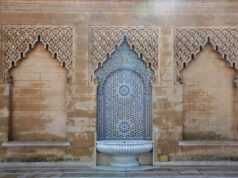
Throughout history, Amazigh culture has been shaped by a blend of African, Mediterranean, and Arab influences. This cultural melting pot is evident in the ornate architecture, vibrant textiles, and delicious cuisine that are unique to the region. The Berber language, with its distinct syntax and vocabulary, is an integral part of this cultural heritage, allowing Amazigh people to express their identity and preserve their history.
In the latter half of the 20th century, efforts were made to promote and protect Amazigh rights, leading to increased recognition of the language and culture at a national level. This has paved the way for initiatives such as Berber-language media outlets, cultural festivals, and educational programs that celebrate and preserve Amazigh heritage.
Challenges Faced by the Amazigh Community
While there have been significant strides in promoting Amazigh culture in Morocco, numerous challenges remain. The lack of official status for Berber languages is one of the most pressing issues. This has resulted in limited access to education and employment opportunities for Amazigh individuals, perpetuating a cycle of marginalization.
Additionally, the dominant Arabic-Islamic identity in Morocco has often led to discrimination against Amazigh individuals and communities. This can manifest in various ways, such as limited access to healthcare or social services. The Amazigh community faces a constant struggle to preserve their cultural heritage while navigating these challenges.
Despite these obstacles, there is a growing movement within the Amazigh community to assert their rights and preserve their cultural heritage. This has given rise to grassroots initiatives, such as cultural centers and language schools, that aim to promote Berber culture and provide a sense of belonging for Amazigh individuals.
The Revival of Amazigh Culture
In recent years, we’ve seen an increased emphasis on preserving and promoting Amazigh culture in Morocco. This revival is evident in various initiatives such as the annual Imilchil Marriage Festival, which celebrates the traditional Berber wedding ceremony, and the establishment of Berber language schools.
Moreover, there has been a significant shift in government policy towards recognizing and supporting Amazigh culture. For instance, Berber language classes have been integrated into school curriculums, and Berber-language media outlets have proliferated. This increased recognition has helped to strengthen the identity of the Amazigh people and enrich Moroccan society as a whole.
The revival of Amazigh culture is not only a testament to the resilience of the community but also an opportunity for intercultural dialogue and exchange. By promoting a shared sense of identity, we can foster greater understanding and cohesion among all Moroccans.
Identity: Bridging the Gap between Amazigh and Arab Cultures
One of the most compelling aspects of Amazigh culture is its potential to bridge the gap between the Amazigh and Arab communities in Morocco. By promoting a shared sense of identity, we can foster greater understanding and cohesion among all Moroccans.
This bridge can be built through initiatives like the King Mohammed VI Institute for the Training of Amazigh Language Teachers, which aims to train teachers to teach Berber languages in schools across the country. Additionally, fostering dialogue and cooperation between the two communities is crucial in breaking down stereotypes and promoting mutual respect.
Call to Action: Supporting Amazigh Culture
As members of the Maghrebi diaspora, it’s essential that we support the ongoing revival of Amazigh culture in Morocco. Here are a few ways you can contribute:
- Learn Berber: Familiarize yourself with the Amazigh language and share your knowledge with others.
- Support Berber-language media outlets: Follow Berber-language news sources, podcasts, and social media accounts to stay informed about events and issues affecting the Amazigh community.
- Advocate for Amazigh rights: Use your voice to speak out against discrimination and support policies that recognize and promote Amazigh culture.
By supporting Amazigh culture, we can help ensure its continued survival and growth. Together, let us celebrate the vibrant heritage of the Amazigh people and strengthen the bonds that unite all Moroccans.
You might also enjoy
Related Articles
- Exploring Amazigh Culture in Morocco: Challenges and Future Prospects
- Halal-Friendly Holiday Guide to Alanya, Turkey – A Perfect Getaway for the Maghrebi Diaspora
- Unveiling the Most Vibrant Airbnbs in Morocco for Maghrebi Diaspora Travelers
- Vibrant Explorations at Morocco Fashion Week 2026: A Celebration of Maghrebi Culture and Innovation
- Modern Muslim Women Shine at Morocco Fashion Week 2026: Empowering Style Statements from the Maghrebi Diaspora