Echoes of Al-Andalus: The Enduring Legacy in North African Culture
As we embark on this journey through the rich cultural heritage of the Maghrebi diaspora, let’s take a moment to appreciate the profound impact of Al-Andalus – that golden age of Islamic civilization in Spain. Spanning over seven centuries, from the 8th to the 15th century, Al-Andalus left an indelible mark on North African culture.
From its inception as a melting pot of cultures, Al-Andalus flourished, attracting scholars, artists, and thinkers from across the Islamic world. This cultural renaissance gave birth to an era of intellectual curiosity, artistic innovation, and philosophical inquiry that reverberated throughout history. As we delve into the echoes of Al-Andalus, let’s explore how this remarkable civilization shaped North African culture in ways both subtle and profound.
The Intellectual Legacy: Scholarship and Knowledge
At the heart of Al-Andalus’ enduring legacy lies its intellectual prowess. The likes of Averroes (Ibn Rushd) and Ibn Khaldun, two of the most celebrated scholars to emerge from this period, left an indelible mark on the region’s intellectual traditions.
Averroes, a towering figure in Islamic philosophy, was instrumental in reconciling faith and reason. His profound works on Aristotle’s philosophy continue to influence thinkers across both Islamic and Western realms. Ibn Khaldun, often referred to as the ‘Father of Sociology,’ penned the landmark Muqaddimah – a treatise that offers timeless insights into history, economics, political science, and human nature.
- Averroes: This influential philosopher, physician, and jurist was a driving force behind the development of Islamic philosophy. His works on Aristotle’s philosophy continue to shape thought in both Islamic and Western traditions.
- Ibn Khaldun: As the ‘Father of Sociology,’ Ibn Khaldun’s Muqaddimah stands as a testament to his groundbreaking work in history, economics, political science, and human nature. His legacy continues to inspire scholars across various disciplines.
The Artistic Legacy: Architecture, Literature, and Music
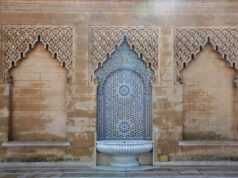
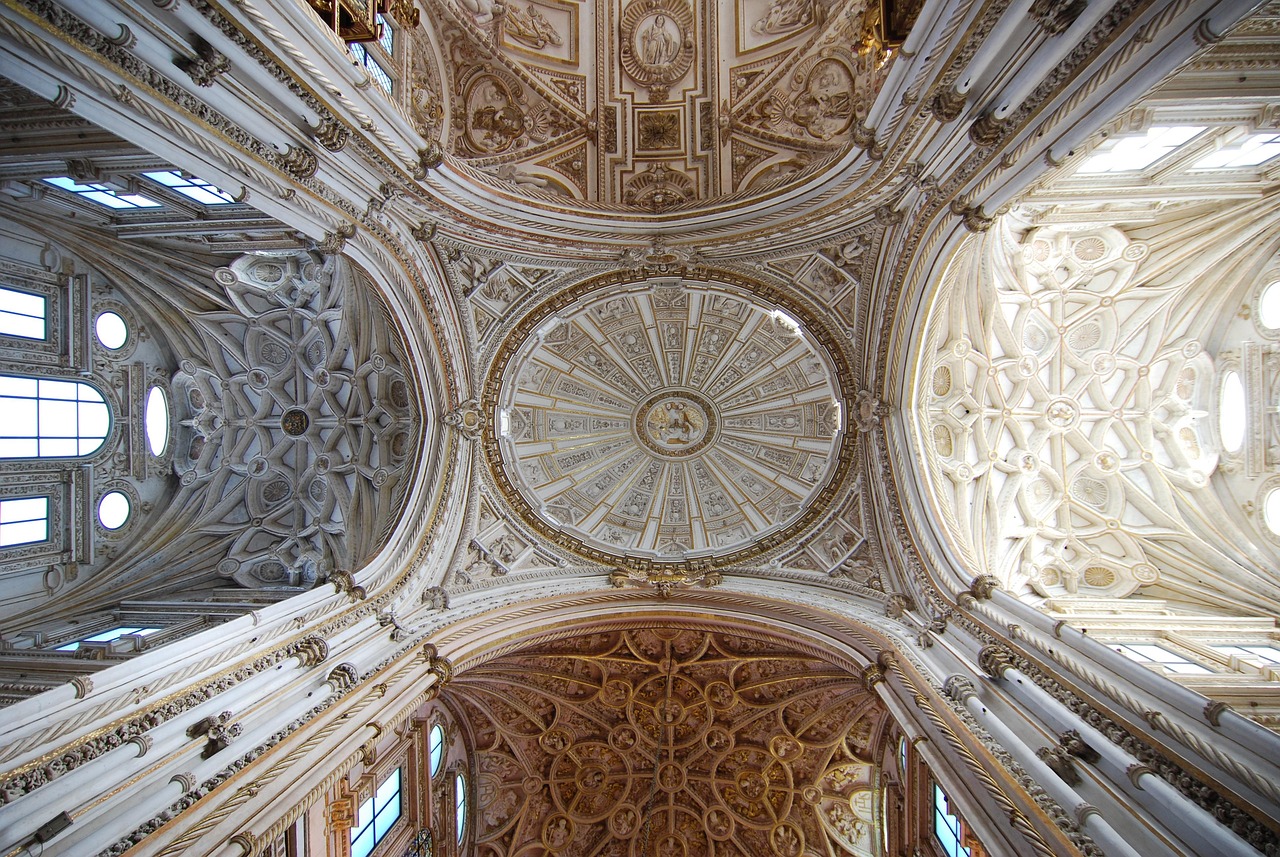
Al-Andalus’ artistic legacy can be seen in the rich tapestry of North African architecture, literature, and music. From the intricate designs of Alhambra to the graceful curves of zellij (mosaic decoration), the influence of Andalusian artistry is undeniable.
The literary landscape of Al-Andalus was equally vibrant. Works such as the epic poem ‘Business of Poets’ by Ibn Quzman showcase the multiculturalism and intellectual vitality of the period, with characters from various backgrounds engaging in witty debates and discussions.
- Alhambra: This iconic palace and fortress complex in Granada is renowned for its beautiful and ornate architecture, which has had a lasting impact on North African architectural styles.
- ‘Business of Poets’ by Ibn Quzman: A humorous and insightful work that reflects the diverse cultural landscape of Al-Andalus, with characters from various backgrounds engaging in witty debates and discussions.
The Scientific Legacy: Medicine and Mathematics
Al-Andalus made significant contributions to the fields of medicine and mathematics. Pioneering achievements in anatomy, algebra, and astronomy left a lasting impact on contemporary science.
- Anatomy: The works of Ibn al-Nafis, who proposed the pulmonary circulation system – a concept that predates William Harvey’s theory by approximately 400 years.
- Algebra: Al-Khwarizmi, often regarded as the father of algebra, developed many foundational principles and techniques that are still used today in algebraic equations and decimal notation.
The Cultural Legacy: Language and Cuisine
In terms of language and cuisine, Al-Andalus left an indelible mark on North Africa. The Arabic dialects spoken in the region bear traces of Andalusian Arabic, while popular dishes have their roots in Spanish culinary traditions.
- Arabic dialects: North African dialects such as Maghrebi Arabic and Maltese contain lexical and phonetic influences from Andalusian Arabic, reflecting the historical ties between the two regions.
- Cuisine: Dishes like b’stilla (a sweet and savory pie filled with spiced chicken or pigeon) and harissa (a hot chili paste) have roots in Spanish culinary traditions that were brought to North Africa during the Al-Andalus period.
A Call to Action
As we explore the enduring legacy of Al-Andalus, let us cherish this shared heritage as a testament to our cultural ties. By understanding our past, we can better navigate our present and build a vibrant future for the Maghrebi diaspora.
Join me in continuing to explore the echoes of Al-Andalus – together, let’s celebrate our shared cultural inheritance and forge a brighter path forward.
You might also enjoy
Related Articles
- Reviving Al-Andalus Cultural Heritage in North Africa: A Call to Action for the Maghrebi Diaspora
- Preserving the Legacy of Al-Andalus: The Soul of North Africa
- Unveiling the Judeo-Amazigh Cultural Heritage in North Africa: A Tribute to Our Rich Past
- Highlighting the Influence of Contemporary Muslim Fashions in North Africa on Global Trends: De Young Exhibit Showcases Maghrebi Diaspora’s Impact
- Ibn Khaldun’s Journey Through the Maghreb and Al-Andalus: A Fresh Perspective in a New Biography