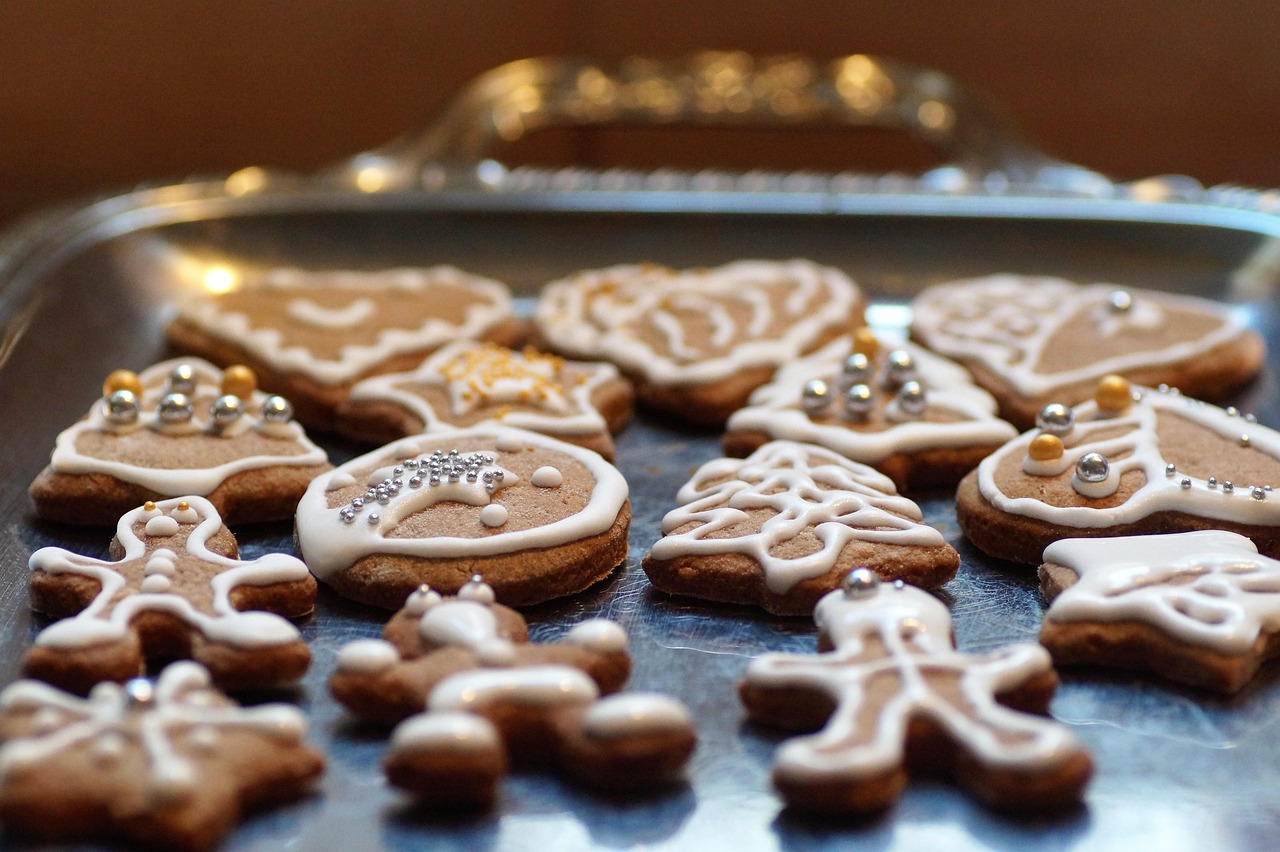
Celebrating Eid al-Fitr with Traditional Egyptian Cookies: A Taste of Home for Maghrebi Diaspora
The anticipation builds as Eid al-Fitr approaches, and the Muslim community worldwide is filled with joy and excitement. For those in the Maghrebi diaspora, this holy festival offers a chance to reconnect with traditional customs, food, and family gatherings – particularly with the beloved Egyptian delicacies that take center stage.
The Significance of Eid al-Fitr in Egypt
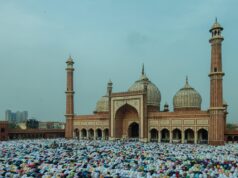
Egypt, steeped in Islamic heritage, celebrates Eid al-Fitr with great enthusiasm. This three-day festivity marks the end of Ramadan, a month of fasting and spiritual growth. Families come together for prayers at grand mosques, exchange gifts, and indulge in sumptuous feasts that bring people closer to one another.
One of the most cherished aspects of this celebration is the preparation and sharing of traditional Egyptian cookies called ‘Kahk’ and ‘Maamoul.’ These bite-sized treats embody unity and generosity, serving as a symbol of love and hospitality.
The Artistry of Kahk: A Traditional Egyptian Cookie
Kahk, a flaky pastry filled with nuts or dates, is the crowning jewel of Egyptian Eid celebrations. The process of making these delicate cookies is an art form passed down through generations, requiring precision and finesse. Made from semolina, butter, and sugar, Kahk’s characteristic layered structure is achieved through precise folding techniques.
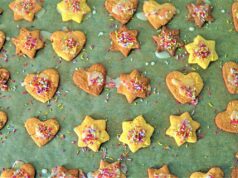
Kahk molds take various shapes, including stars, crescents, and traditional round or square designs with intricate patterns imprinted on them. These molds are hand-carved from wood or tin, contributing to the unique character of each cookie. The result is a visually stunning treat that’s almost too beautiful to eat – but who can resist the allure of these delicate morsels?
During Eid al-Fitr, Kahk is generously shared among friends, family, and neighbors – symbolizing peace, unity, and a bond forged through tradition. As the aroma of freshly baked cookies wafts through the air, it’s a sensory experience that transcends borders and generations.
The Delectable Maamoul: A Timeless Egyptian Delight
Maamoul is another beloved Eid cookie in Egypt, particularly in Upper Egypt. Made from finely-ground wheat flour, ghee (clarified butter), and honey, these cookies are filled with fragrant dates or nuts. The process of making Maamoul is just as intricate as that of Kahk, requiring skillful handling and attention to detail.
After the dough is prepared, it’s rolled out and stuffed into decorative molds adorned with designs reminiscent of traditional Arabesque patterns. The result is a cookie that’s not only delicious but also visually stunning – a true masterpiece of Egyptian cuisine.
Maamoul is often served during Eid al-Fitr festivities, accompanied by tea or milk. Its rich, aromatic flavors serve as a delicious reminder of the warmth and camaraderie that defines this time of year. As the cookies are savored, stories of tradition and culture are passed down through generations – a true testament to the power of food in bringing people together.
Modern Twists on Traditional Egyptian Cookies
As times change, traditional Egyptian cookies have seen an evolution in terms of flavors and presentations. Some modern variations include chocolate-filled Kahk, Maamoul with fruit fillings, and cookies adorned with edible gold leaf. These new takes on classic recipes not only appeal to younger generations but also create opportunities for local artisans to showcase their creativity while preserving the essence of these cherished treats.
These modern twists on traditional Egyptian cookies not only cater to changing tastes but also provide a platform for innovation and cultural exchange. By embracing these new flavors and presentations, we can celebrate our heritage while also forging new connections with others.
Bringing Traditional Egyptian Cookies into Your Home
For those in the Maghrebi diaspora seeking a taste of home during Eid al-Fitr, traditional Egyptian cookies can be found at Middle Eastern grocery stores or online. You may also want to attempt making these delicious treats yourself – there’s no better way to connect with your roots than by sharing the flavors of Egypt with loved ones.
By embracing our cultural heritage and traditions, we can create meaningful connections with others who share our passions and values. Whether you’re making Kahk or Maamoul from scratch or simply enjoying a store-bought cookie, the experience is sure to be filled with warmth, love, and nostalgia.
Connecting through Food: A Universal Language
Eid al-Fitr is a time for unity, love, and celebration. Traditional Egyptian cookies like Kahk and Maamoul serve as a powerful reminder of this – bridging the gap between cultures and generations through shared flavors and stories.
As we celebrate Eid al-Fitr this year, let’s remember to cherish our roots, embrace new experiences, and savor the delectable traditional Egyptian cookies that make this occasion so special. Whether you’re in Egypt or elsewhere around the world, these cookies are a symbol of unity, love, and connection – a universal language that transcends borders and cultures.
So let’s come together to celebrate Eid al-Fitr with traditional Egyptian cookies that bring people closer to one another. Let’s share stories, laughter, and love around the table, and let’s make this occasion one to remember for generations to come.
You might also enjoy
Related Articles
- Celebrating Eid Al-Fitr with Traditional Egyptian Eid Cookies
- Exploring the Rich Culinary Heritage of Bahrain: A Taste of Home for the Maghrebi Diaspora
- Delightful Eid al-Fitr Recipes for Maghrebi Diaspora: A Culinary Journey Home
- Rebirth of Amazigh Identity in Modern Moroccan Culture: A Call for Unity within the Maghrebi Diaspora
- Unveiling Moroccan Art History and Culture: A Journey for Maghrebi Diaspora