

Moroccan Design Renaissance: Empowering Local Artisans and Elevating Traditional Crafts
Welcome to this inspiring journey through the Moroccan design renaissance, a movement that’s revitalizing the country’s rich cultural heritage and empowering local artisans to shine. As we delve into the world of Moroccan craftsmanship, we’ll discover how this vibrant cultural resurgence is redefining global perspectives on artistry and creativity.
Reviving the Roots: A Return to Authentic Craftsmanship
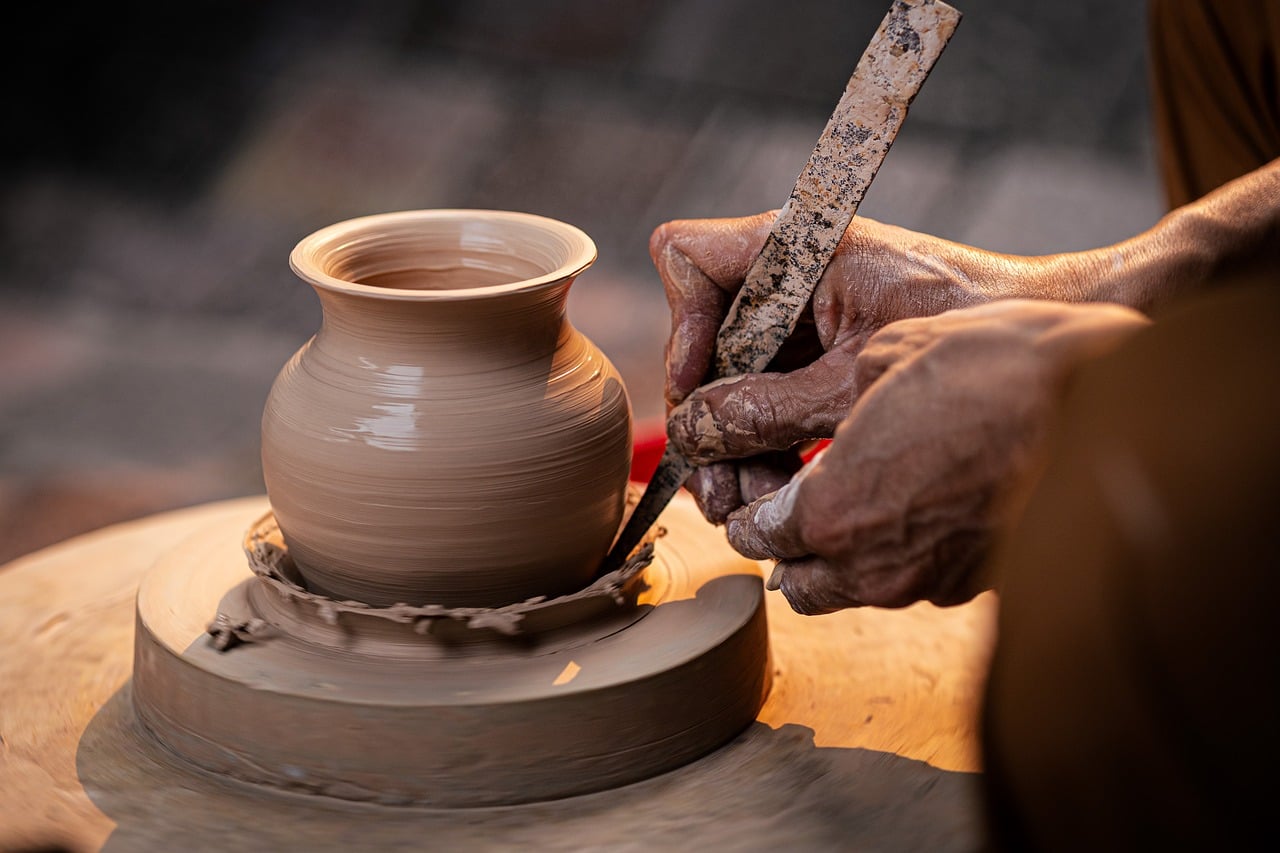
The Moroccan design renaissance is all about preserving the country’s rich cultural heritage by reviving traditional artisanal techniques that have been passed down through generations. From the intricate zellige tilework that adorns ancient mosques to the intricate metalwork that decorates opulent palaces, every craft showcases a deep understanding of tradition and innovation.
One notable initiative driving this movement is the ‘Made in Morocco’ label, which guarantees that products are locally sourced and produced. This not only supports Moroccan artisans but also ensures the preservation of traditional techniques and the unique cultural identity they represent. For instance, the renowned Moroccan carpet weavers have been perfecting their craft for centuries, and the ‘Made in Morocco’ label ensures that these exquisite pieces are truly authentic and of the highest quality.
Furthermore, a growing number of workshops and studios have opened their doors to apprentices, fostering a sense of community and knowledge exchange among artisans. This hands-on approach not only preserves traditional techniques but also empowers the next generation of Moroccan artisans to carry on this cultural legacy.
Intersection of Tradition and Modernity: Bold and Innovative Design
The Moroccan design renaissance is not just about preserving tradition but also about pushing boundaries and exploring new avenues for expression. Designers are merging ancient techniques with contemporary styles, resulting in a fusion of tradition and modernity that is both bold and innovative.
One such example is the incorporation of traditional zellige tilework into sleek, minimalist furniture designs. This fusion not only preserves the craft but also makes it more accessible and relevant to modern consumers. Imagine walking into a chic Moroccan-inspired home, with zellige tiles adding a touch of elegance to the walls – it’s a truly unique and captivating experience.
Another example is the blend of traditional Moroccan textiles with modern fashion trends. Moroccan designers are creating stunning clothing and accessories that blend the country’s rich cultural heritage with modern styles, resulting in a truly unique and captivating fusion.
Global Recognition: Moroccan Artisans on the World Stage
The Moroccan design renaissance has caught the attention of international audiences, with local artisans showcasing their work at prestigious events like the Salone del Mobile in Milan and Maison&Objet in Paris. These appearances not only boost Moroccan artisans’ profiles but also demonstrate the global appeal of Moroccan craftsmanship.
Moreover, collaborations between Moroccan designers and international brands have further solidified Morocco’s position as a hub of innovative and culturally significant design. For instance, the iconic Moroccan fashion brand, Maison Yasmine, has partnered with top international designers to create stunning collections that blend Moroccan heritage with global styles.
Empowering Communities: The Socio-Economic Impact
The Moroccan design renaissance has had a profound socio-economic impact, particularly in rural communities where artisanal skills are most prevalent. By fostering a demand for locally sourced, traditional crafts, the renaissance has provided a sustainable source of income for countless artisans.
Moreover, the revitalization of traditional crafts has fostered a sense of pride and identity among Moroccans, encouraging a renewed appreciation for their cultural heritage. This sense of community and cultural pride has also had a positive impact on rural communities, providing a sense of stability and economic security.
Call to Action: Supporting the Moroccan Design Renaissance
As members of the Maghrebi diaspora, you can play a vital role in supporting the Moroccan design renaissance. Here are a few ways you can help:
You might also enjoy
Related Articles
- Modest Fashion in the Maghreb: De Young’s Exhibit and its Impact – A Celebration of Maghrebi Cultural Heritage
- Modern Fashion Trends for Maghrebi Women: Embracing Cultural Influences and Global Style
- The Moroccan Design Revolution: Redefining Tradition and Style
- Moroccan Fashion Week 2026 Showcases Local Talent: A Celebration of Moroccan Fashion for the Maghrebi Diaspora
- Fostering Emerging Moroccan Designers: Italian Funding for a Vibrant Cross-Cultural Exchange
- Purchase ‘Made in Morocco’ products when possible, supporting local artisans and traditional crafts. Whether it’s a stunning Moroccan carpet or a beautifully crafted piece of jewelry, your support will help preserve this cultural heritage.
- Follow and engage with Moroccan designers and artisans on social media, helping to amplify their voices and work. Share their stories, promote their products, and help build a global community of Moroccan design enthusiasts.
- Collaborate with Moroccan designers and artisans, fostering mutual growth and understanding. Whether it’s a joint design project or a cultural exchange program, your collaboration will help build bridges between Morocco and the global design community.
- Educate others about the Moroccan design renaissance, spreading awareness and appreciation for this vibrant cultural movement. Share your knowledge with friends and family, and help build a global community of Moroccan design enthusiasts.