The Moroccan Design Revolution: Redefining Tradition and Style
Welcome to a journey through the captivating world of Moroccan design, where tradition and modernity blend seamlessly together. This revolution is not only redefining the style of Moroccan design but also paying homage to the country’s rich cultural heritage. For the Maghrebi diaspora community, this transformation offers a unique opportunity to reconnect with our roots in a fresh, innovative way, and that’s what makes it so exciting.
Traditional Moroccan Design: A Brief Overview
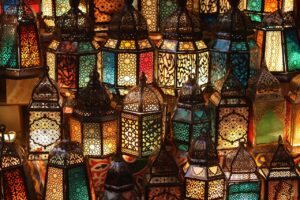
Before we delve into the revolution, let’s take a moment to appreciate the foundations of traditional Moroccan design. Known for its vibrant colors, intricate patterns, and meticulous craftsmanship, Moroccan design is a true reflection of the country’s diverse cultural influences, from Berber and Arab to Andalusian and European. Each of these influences has left an indelible mark on the design, making it a unique and captivating fusion of styles.
The various elements of traditional Moroccan design, such as zellige (mosaic tiles), tadelakt (polished plaster), and traditional carpets, are more than just decorative items. They carry symbolic meanings and serve specific purposes, whether it’s decorative, functional, or spiritual. For instance, zellige tiles are often used to create intricate geometric patterns that symbolize the connection between the physical and spiritual worlds.
However, traditional Moroccan design has often been criticized for being too ornate and overpowering. This criticism has paved the way for the design revolution, which aims to balance tradition with modern sensibilities, creating a fresh and innovative approach to design.
The Emergence of Modern Moroccan Design
The modern Moroccan design movement began in the late 20th century, driven by a need to modernize while preserving the country’s rich cultural heritage. This movement saw the emergence of young, innovative designers who were not bound by traditional constraints. They started to reinterpret traditional designs, infusing them with contemporary elements to create a unique, fresh style.
One of the most prominent figures in this movement is designer Meryem Bennani, whose work has been showcased at prestigious events like the Venice Biennale. Bennani’s designs are a testament to the potential of modern Moroccan design to captivate both traditionalists and modernists alike.
Her designs often blend traditional Moroccan patterns with modern materials and techniques, resulting in pieces that are both beautiful and thought-provoking. For instance, Bennani’s use of metal and glass in her designs adds a level of sophistication and elegance that is not typically found in traditional Moroccan design.
The Influence of Global Trends
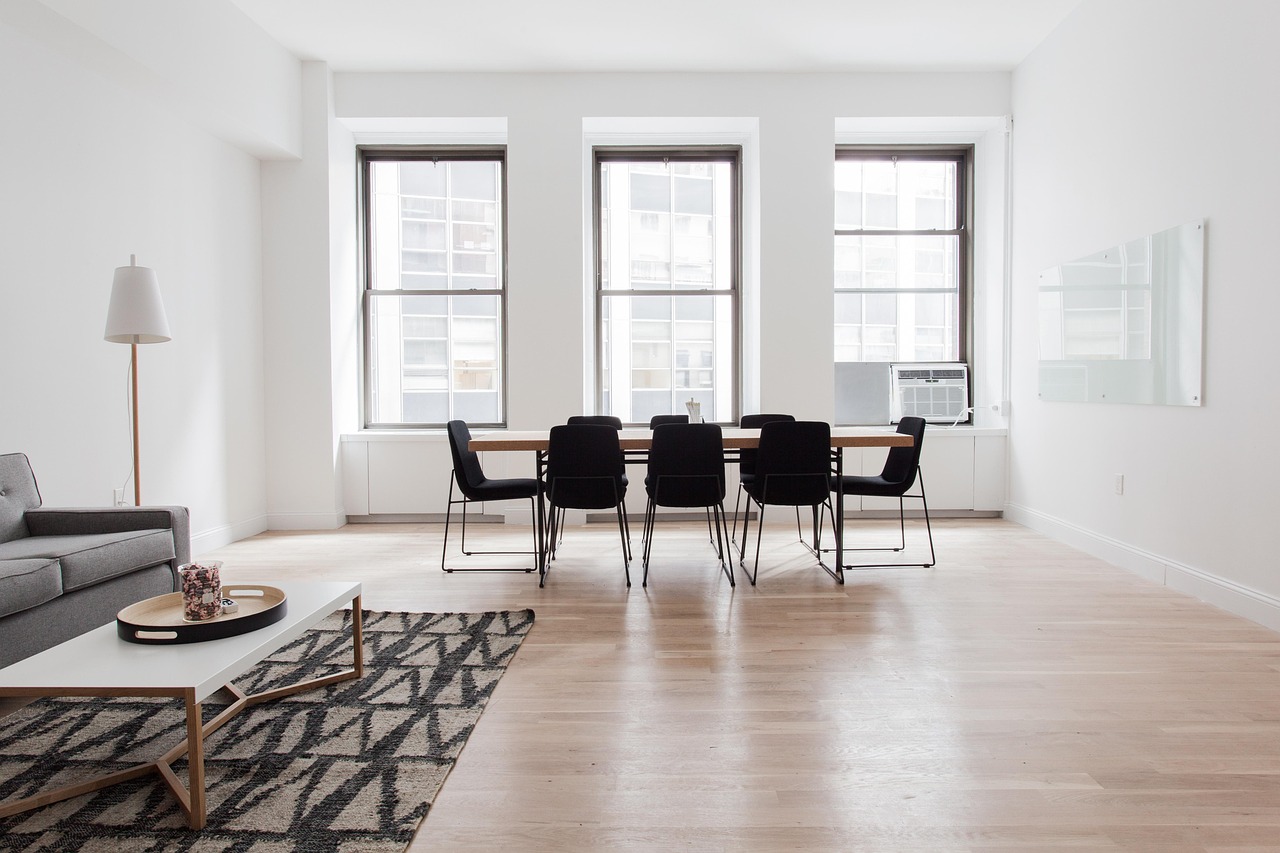
Global design trends have also played a significant role in shaping modern Moroccan design. The rise of minimalism, for instance, has led to a trend of stripping traditional designs down to their essence, resulting in clean, uncluttered pieces that showcase the beauty of Moroccan design.
Another influential trend is sustainability. Many Moroccan designers are now focusing on eco-friendly materials and practices, ensuring that the design revolution is not just about style, but also about responsibility and the environment.
The fusion of global trends with traditional Moroccan designs has resulted in a dynamic, ever-evolving design landscape that is both exciting and innovative. This blending of styles has allowed Moroccan design to appeal to a wider audience, transcending cultural and geographical boundaries.
The Impact on the Maghrebi Diaspora
For our Maghrebi diaspora community, the Moroccan design revolution offers a unique opportunity to connect with our cultural heritage in a contemporary context. Whether it’s through decorating our homes, choosing our fashion, or investing in art, we can now express our cultural identity in a way that resonates with our modern lives.
This is a powerful way to preserve our heritage while also embracing the future. Moreover, the success of modern Moroccan design on a global stage serves as a testament to the richness and resilience of our cultural heritage. It reinforces our pride in our roots and encourages us to continue preserving and celebrating our traditions.
Joining the Revolution: A Call to Action
The Moroccan design revolution is an exciting development that offers opportunities for both traditionalists and modernists. Whether you’re a designer, a collector, or simply a lover of beautiful things, there’s a place for you in this movement.
Join us in supporting and celebrating this revolution. Let’s continue to redefine and reimagine traditional Moroccan design, ensuring that it remains a vibrant, evolving reflection of our rich cultural heritage. Together, we can make this revolution a reality and ensure that Moroccan design continues to captivate and inspire audiences around the world.
You might also enjoy
Related Articles
- Modern Muslim Women’s Fashion: Blending Tradition and Contemporary Style in the Maghreb
- The Big Halal Lifestyle Expo 2026 in North Africa: A Celebration of Culture, Business, and Community for the Maghrebi Diaspora
- Thriving in the Maghreb Diaspora: A Guide to Maintaining a Healthy and Halal Lifestyle
- Top Picks: Renting a Moroccan Riad on Airbnb for Maghrebi Diaspora Travelers
- Empowering Arab Women in the 4B Revolution: Unleashing Potential for Maghrebi Diaspora