

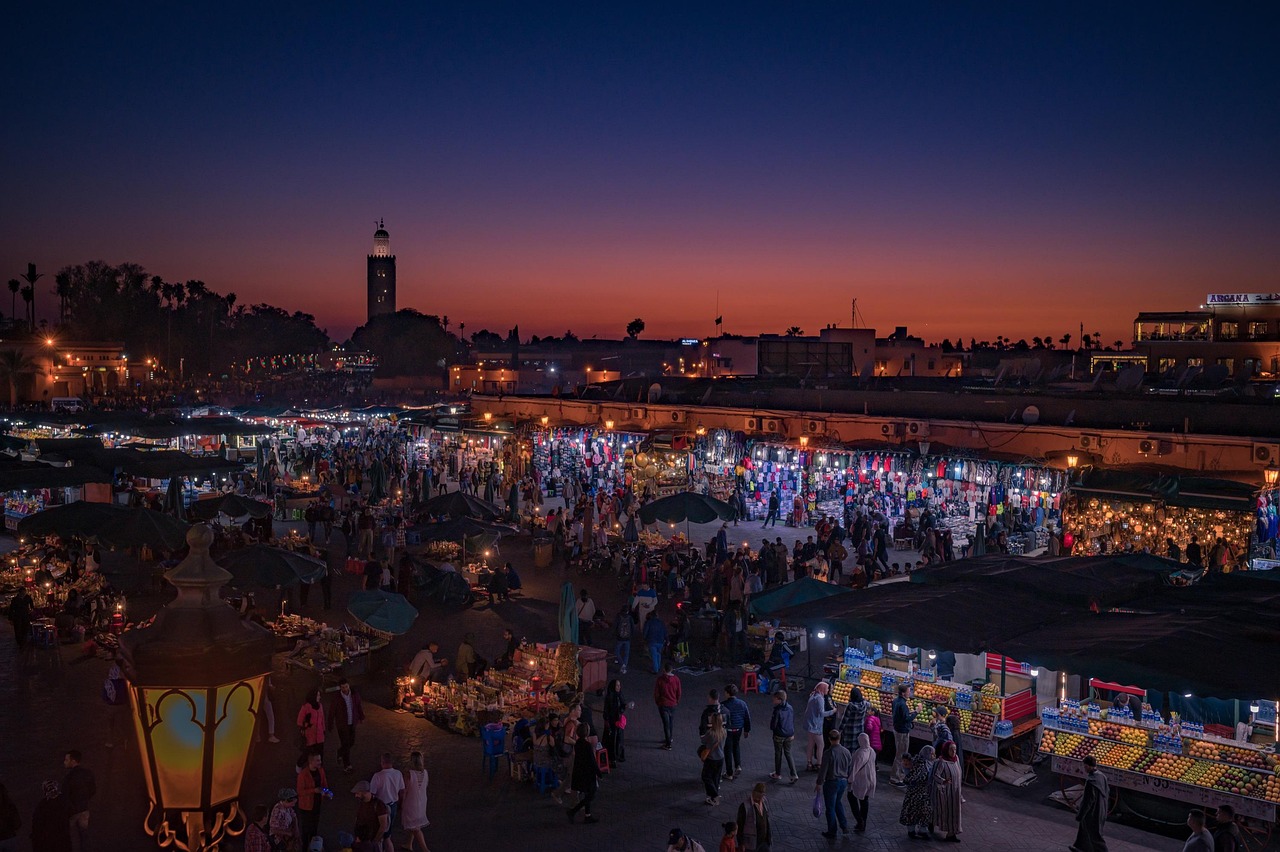
Preserving and Evolving Amazigh Culture: A Journey through Morocco
Introduction
Welcome, Maghrebi diaspora readers! As we embark on this journey through Morocco, we’ll delve into the rich tapestry of Amazigh culture, a testament to the resilience and adaptability of a people whose roots run deep within the African continent. The Amazigh, also known as Berbers, are the indigenous people of North Africa, and their culture is a vital part of Morocco’s heritage. As we explore the preservation and evolution of Amazigh culture, we aim to foster a greater understanding and appreciation for this ancient and vibrant culture.
The Amazigh have a history that predates the arrival of the Arab Muslims in North Africa by several thousand years. Their language, Tamazight, is one of the oldest languages in the world, with its roots traced back to the Afro-Asiatic language family. Throughout history, the Amazigh have maintained their distinct identity, resisting assimilation and adapting to various cultural influences. Today, they represent approximately 40% of Morocco’s population, with a rich and diverse cultural heritage that is a blend of ancient traditions and modern influences.
The Amazigh language, Tamazight, has undergone several stages of evolution, with a written form emerging in the 1920s. Today, it is recognized as an official language of Morocco, alongside Arabic and French. This official recognition is a significant step forward in the preservation and promotion of Amazigh culture.
History and Origins: The Berber Identity
The Amazigh people have a history that predates the arrival of the Arab Muslims in North Africa by several thousand years. Their language, Tamazight, is one of the oldest languages in the world, with its roots traced back to the Afro-Asiatic language family. This ancient language has been passed down through generations, with its spoken form being an essential part of Amazigh identity.
Throughout history, the Amazigh have maintained their distinct identity, resisting assimilation and adapting to various cultural influences. They have been influenced by the Phoenicians, Romans, and Arab Muslims, among others, yet they have managed to preserve their unique culture and traditions. Today, they represent approximately 40% of Morocco’s population, with a rich and diverse cultural heritage that is a blend of ancient traditions and modern influences.
The Amazigh have also played a significant role in the development of Moroccan society, with many notable figures having been Berber. From the legendary Berber queen, Lalla Fatima, to the modern-day Amazigh politician, Abdellah Zroug, the Berber people have left an indelible mark on Moroccan history.
Art and Craftsmanship: A Visual Testimony to Amazigh Culture
Amazigh art and craftsmanship are an essential part of Morocco’s cultural landscape. From intricate jewelry and pottery to rugs and carpets, these works showcase the incredible skill and creativity of the Amazigh people. One of the most renowned art forms is Ait Benhaddou, a Berber fortified city that has been designated a UNESCO World Heritage Site. Its earthen architecture, with its distinctive Kasbahs, is a testament to the Amazigh’s architectural prowess and their ability to adapt to harsh desert environments.
Amazigh craftsmanship is also evident in the creation of traditional Berber carpets, known as Azilal or Beni M’Guild. These intricate carpets are made from wool, dyed with natural dyes, and feature geometric patterns that reflect Amazigh cosmology and mythology. Each carpet is a testament to the Amazigh’s skill and creativity, and they have become a sought-after commodity among collectors and enthusiasts.
Music and Dance: The Rhythm of Berber Culture
Music and dance play a significant role in Amazigh culture, serving as a means of expressing emotions, telling stories, and preserving traditions. Amazigh music is diverse, with each region having its unique style. One of the most popular genres is Chaabi, a lively blend of traditional Berber melodies and modern Arabic rhythms.
Dance is an integral part of Amazigh culture, with each dance style representing a specific region or tribe. The Aissawa, a spiritual brotherhood that originated among the Amazigh, is known for its unique and emotive dance, which is performed during their annual Zar ceremony. This dance is a powerful expression of Amazigh spirituality and is an essential part of their cultural heritage.
Food and Cuisine: A Taste of Berber Life
Amazigh cuisine reflects the diverse landscape of Morocco, with dishes that range from hearty tagines and couscous to lighter salads and soups. One of the most famous Berber dishes is Tajine Berbere, a slow-cooked stew made with meat, vegetables, and a flavorful Berber spice blend known as Berbere. This dish is a staple of Berber cuisine and is often served at special occasions and celebrations.
Another essential part of Amazigh cuisine is Msemen, a type of flatbread that is traditionally cooked on a saj, a large, circular griddle. It is often filled with ingredients such as cheese, honey, or ground meat. This bread is a symbol of Berber hospitality and is often served to guests as a sign of respect and friendship.
Preservation and Evolution: The Future of Amazigh Culture
The preservation and evolution of Amazigh culture are a testament to the resilience and adaptability of the Amazigh people. As Morocco continues to modernize, it is essential to ensure that Amazigh culture remains vibrant and relevant for future generations. Government initiatives, such as the creation of the Royal Institute of Amazigh Culture in 1994, have helped to promote and preserve Amazigh culture. However, there is still much work to be done, particularly in the areas of education, media, and economic development.
We encourage all readers to support the preservation and evolution of Amazigh culture by learning more about it, sharing its stories, and advocating for its continued recognition and appreciation. By working together, we can ensure that this rich and vibrant culture remains a source of pride and inspiration for generations to come.
Conclusion
Amazigh culture is a vital part of Morocco’s heritage, a testament to the resilience and adaptability of a people whose roots run deep within the African continent. By preserving and evolving Amazigh culture, we ensure that this rich and vibrant culture remains a source of pride and inspiration for generations to come. We hope that this article has deepened your understanding and appreciation for Amazigh culture. As we continue to learn and grow, let us strive to support and celebrate the diverse cultures that make up the fabric of our world.
You might also enjoy
Related Articles
- Reviving Amazigh Culture in Morocco: Challenges and Future Prospects
- Following Nora Attal’s Journey: A Cross-Cultural Exploration
- Exploring the Culinary Heritage of South Tunisia with Malek Labidi: A Gastronomic Journey for Maghrebi Diaspora Readers
- Exploring Amazigh Culture in Morocco: Challenges, Future Prospects, and Artistic Expressions
- Unveiling the Evolving Splendor of Maghrebi Weddings at the Paris Exhibition: A Celebration of Our Cultural Heritage