

Here is the improved HTML article:
Couscous is the common thread that binds the Maghreb region, a cultural symbol that transcends borders, language, and politics. This grainy, fragrant dish is the foundation of a rich culinary tradition that spans centuries and countries. From Algeria to Morocco, Tunisians and Moroccans alike gather around the table to share a meal that’s more than just sustenance – it’s a celebration of community and shared heritage.
History
The history of couscous is a complex tapestry woven from the threads of ancient civilizations, nomadic tribes, and colonial influences. The Berber people, the indigenous population of North Africa, have been eating couscous for over a thousand years. Each region has its own unique spin on the dish, with subtle differences in preparation, ingredients, and flavors that reflect the distinct cultural identities of Algeria, Tunisia, and Morocco. The shared heritage of couscous is a testament to the resilience of tradition and the power of food to bring people together.
Ingredients (serves 6)
This recipe is a harmonious fusion of the best flavors from across the Maghreb. While the ingredients vary slightly from one region to another, this dish is a celebration of the shared culinary heritage that unites the people of North Africa.
- 500 g medium-grain couscous – not instant couscous if you can help it – the real deal is worth the extra effort
- 800 g bone-in chicken thighs – skin-on, if available, for that extra layer of flavor
- 3 medium carrots – peeled and halved, adding a pop of color to the dish
- 3 medium courgettes – halved lengthways, providing a refreshing crunch
- 2 medium turnips – peeled and quartered, adding a sweet and earthy flavor
- 400 g canned chickpeas – drained and rinsed, providing a boost of protein and fiber
- 2 large tomatoes – quartered, adding a burst of juicy flavor
- 1 large onion – finely chopped, caramelizing to add depth and complexity
- 4 tbsp olive oil – the foundation of the dish, providing a rich and fruity flavor
- 2 tsp ras el hanout – the secret spice blend that adds a unique flavor profile
- 1 tsp ground coriander – adding a warm and aromatic flavor
- 1 tsp ground cumin – providing a earthy and slightly spicy flavor
- ½ tsp ground cinnamon – adding a warm and comforting flavor
- Salt and black pepper – to taste, balancing the flavors and textures
- Fresh coriander – a large handful, chopped, adding a bright and citrusy flavor
Step-by-Step Instructions
Prep time: 25 minutes | Cook time: 1 hour 30 minutes | Difficulty: Medium – don’t worry, it’s worth the effort
- Brown the chicken: heat 2 tbsp of olive oil in the bottom of your couscoussier or a large heavy pot over medium-high heat. Add the chicken pieces and brown on all sides, about 8 minutes total. Do not rush this step – the caramelization creates the deep flavor base of the entire dish.
- Build the broth: in the same pot, fry the onion until soft and golden, about 5 minutes. Add the ras el hanout, cumin, coriander, and cinnamon, stir for 30 seconds until fragrant. Return the chicken, add 1.5 liters of water, season generously with salt and pepper. Bring to a boil, then reduce to a gentle simmer.
- Add the vegetables in stages: after 30 minutes of simmering, add the carrots and turnips – they need the most time. After another 20 minutes, add the tomatoes, courgettes, and chickpeas. Taste the broth and adjust seasoning as needed.
- Prepare the couscous: place couscous in a large bowl, drizzle with 2 tbsp of olive oil, and rub between your palms to coat each grain. Add 300 ml of warm salted water, stir, and leave to absorb 5 minutes. Rake with a fork to separate grains.
- Steam the couscous: place couscous in the top of the couscoussier and steam over the broth for 20 minutes. Remove, break up any clumps with a fork, add a knob of butter, and return to steam a further 10 minutes until perfectly fluffy.
Tips for Success
The difference between good couscous and great couscous usually comes down to a few small details that experienced cooks know by instinct. Here are a few tricks to help you achieve couscous perfection:
- Never stir couscous while it steams – lift and fluff gently with a fork only after removing from heat
- If grains are clumping, add a tiny drizzle of olive oil and work it in with your fingertips
- The broth should be fragrant and slightly reduced – if it tastes thin, simmer uncovered 10 minutes before serving
- For Ramadan: make a double batch of broth – it reheats beautifully and improves overnight
- Leftovers keep 3 days in the fridge; store couscous and broth separately
Variations
The couscous recipe you’re about to embark on is a harmonious blend of the best flavors from across the Maghreb. But don’t be afraid to experiment and make it your own. In Algeria, lamb is often used instead of chicken. In Tunisia, you might find capers or olives. In Morocco, dried fruits like apricots or raisins are a common addition. Whatever your heritage, this dish is a celebration of the shared Maghrebi spirit that transcends borders.
Serving and Presentation
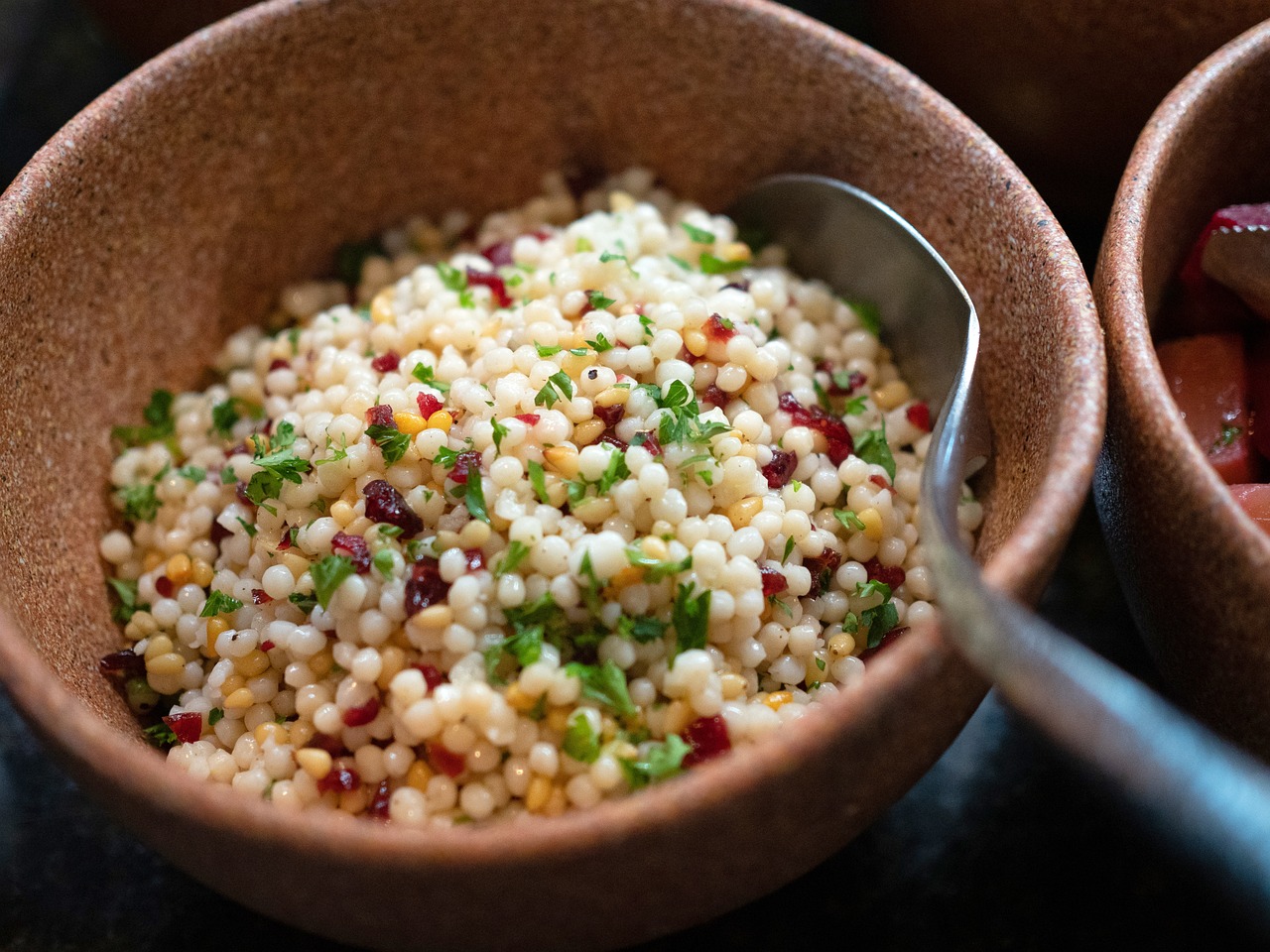
Serve the couscous mounded in a large communal dish with the vegetables arranged on top and the chicken pieces nestled in the centre. Ladle the broth into a separate bowl for guests to pour over as they like. Scatter fresh coriander over the top. Harissa on the side is non-negotiable.
Conclusion
Couscous is more than just a meal – it’s a symbol of unity, a testament to the shared heritage of the Maghreb. It’s a dish that brings people together, a dish that transcends borders and politics. So, whether you’re an Algerian, a Tunisian, a Moroccan, or simply a lover of good food, sit down at the table and enjoy the harmonious, flavorful symphony that is couscous.
You might also enjoy
Related Articles
- Selara Africa’s Travel Advisor Incentives for the North American Market: A Comprehensive Guide for the Maghrebi Diaspora
- Navigating Cultural Representation and Self-Orientalization for North Africans: A Guide for the Maghrebi Diaspora
- Unveiling the Struggles and Future Prospects of Amazigh People in North Africa: A Call to Action for the Maghrebi Diaspora
- Unveiling the Plight of the Amazigh: A Call for Solidarity among the Maghrebi Diaspora
- Celebrating North African Culture: Padres’ MENA Heritage Night