

Navigating Cultural Representation and Self-Orientalization for North Africans: A Guide for the Maghrebi Diaspora
As members of the Maghrebi diaspora, we’ve all experienced the disheartening reality of inaccurate cultural representation and the insidious effects of self-orientalization. In this article, we’ll delve into the complexities of these issues and provide practical guidance on how to navigate them.
For North Africans, the journey of cultural representation and self-orientalization is deeply intertwined with our experiences of migration, identity, and community. As we explore this topic, we’ll draw on historical context, modern challenges, and personal anecdotes to create a rich tapestry of understanding.
Understanding Cultural Representation
Cultural representation refers to the way a culture is portrayed in various forms of media and popular discourse. Unfortunately, North Africa has historically been reduced to simplistic, one-dimensional portrayals that fail to capture the richness and complexity of our cultures.
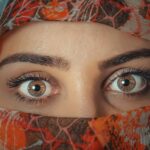
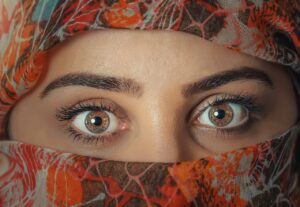
Take, for example, the common stereotype of the “exotic” North African woman, often depicted as a veiled, mysterious figure with a hint of seductiveness. This oversimplification not only ignores the diversity of our cultures but also perpetuates harmful and inaccurate representations.
As North Africans, it’s crucial to be aware of these stereotypes and to actively work against them by promoting accurate and nuanced representations of our cultures. This can be achieved through various means, such as creating our own media, engaging in open dialogue, and advocating for diversity and inclusion.
Exploring Self-Orientalization
Self-orientalization refers to the internalization and performance of these stereotypes by members of the Maghrebi community themselves. This can manifest in various ways, such as adopting stereotypical behaviors, speech patterns, or fashion choices in an attempt to fit in or please others.
Self-orientalization can have detrimental effects on our self-esteem, community cohesion, and overall sense of identity. It’s essential to recognize and challenge these behaviors to preserve our cultural integrity and promote self-respect.
For instance, many North African women have reported feeling pressured to conform to traditional beauty standards or to adopt certain cultural practices that don’t align with their personal values. By acknowledging and challenging these expectations, we can create a more inclusive and empowering environment for ourselves and future generations.
The Impact of Media and Entertainment
Media and entertainment play a significant role in shaping cultural representation and self-orientalization for North Africans. From films and television shows to music and literature, these platforms can either reinforce stereotypes or challenge them.
Take, for example, the recent surge in North African-led films and TV shows that offer more nuanced and accurate portrayals of our cultures. These productions not only provide a platform for our stories to be told but also offer a chance for us to see ourselves reflected in a positive and empowering light.
As consumers and creators, it’s crucial to support media that represents North Africans authentically and respectfully. This includes supporting independent productions, advocating for diversity in Hollywood, and engaging in thoughtful discussions about representation.
Empowering Our Youth
Young people are the future of the Maghrebi diaspora, and empowering them is crucial for preserving and promoting our cultures. This includes providing educational resources, creating safe spaces for discussion, and offering mentorship and guidance.
By nurturing the next generation, we can ensure that they grow up with a strong sense of identity, pride, and the tools necessary to navigate the complexities of cultural representation and self-orientalization.
Empowering our youth also means encouraging them to engage in activism, advocacy, and community building. This can involve participating in cultural events, volunteering for organizations, and using their voices to challenge stereotypes and promote positive change.
Collaborating Across Borders
Building a strong Maghrebi diaspora community requires collaboration and solidarity across borders. This includes connecting with other North Africans, both in the diaspora and in our countries of origin, to share resources, ideas, and experiences.
Collaboration can take many forms, such as participating in online forums, attending cultural events, and supporting organizations that promote the interests of the Maghrebi diaspora.
By working together, we can create a powerful and unified voice that demands accurate and respectful representation, challenges self-orientalization, and celebrates the richness and diversity of our cultures.
A Call to Action
Navigating cultural representation and self-orientalization is a complex and ongoing journey for North Africans. But by being aware of these challenges, challenging stereotypes, and supporting one another, we can ensure a bright and empowering future for the Maghrebi diaspora.
Join us in this journey by engaging in open dialogue, supporting positive representations, empowering our youth, and collaborating across borders. Together, we can build a strong and vibrant Maghrebi diaspora community that celebrates our unique identities and promotes a more inclusive and respectful world.
You might also enjoy
Related Articles
- Navigating the Line: Cultural Representation vs Self-Orientalization for North Africans
- Selara Africa’s Travel Advisor Incentives for the North American Market: A Comprehensive Guide for the Maghrebi Diaspora
- Exploring Middle East & North Africa Travel Deals with Miles: A Comprehensive Guide for the Maghrebi Diaspora
- Unveiling the Struggles and Future Prospects of Amazigh People in North Africa: A Call to Action for the Maghrebi Diaspora
- Journeying to the Homeland: A Comprehensive Guide for the Maghrebi Diaspora