


Algeria’s Shift Towards English: Impact on Schools and Culture
Welcome to this thought-provoking article, where we’ll delve into the fascinating story of Algeria’s shift towards English and its far-reaching implications for education and culture. As Maghrebi diaspora readers, we’re uniquely positioned to explore this topic, and we invite you to join the conversation.
For decades, French has dominated the Algerian linguistic landscape, a legacy of colonial rule. However, a significant shift has been underway in recent years, with English making inroads into Algerian schools and society. This shift has sparked both excitement and concern, as we explore the potential benefits and challenges of this change.
1. The Rise of English in Algerian Schools
In the last decade, the Algerian government has implemented policies aimed at integrating English into the national curriculum, marking a significant departure from the historical dominance of French. This shift is not just about language instruction; it’s about preparing the next generation for a globalized world.
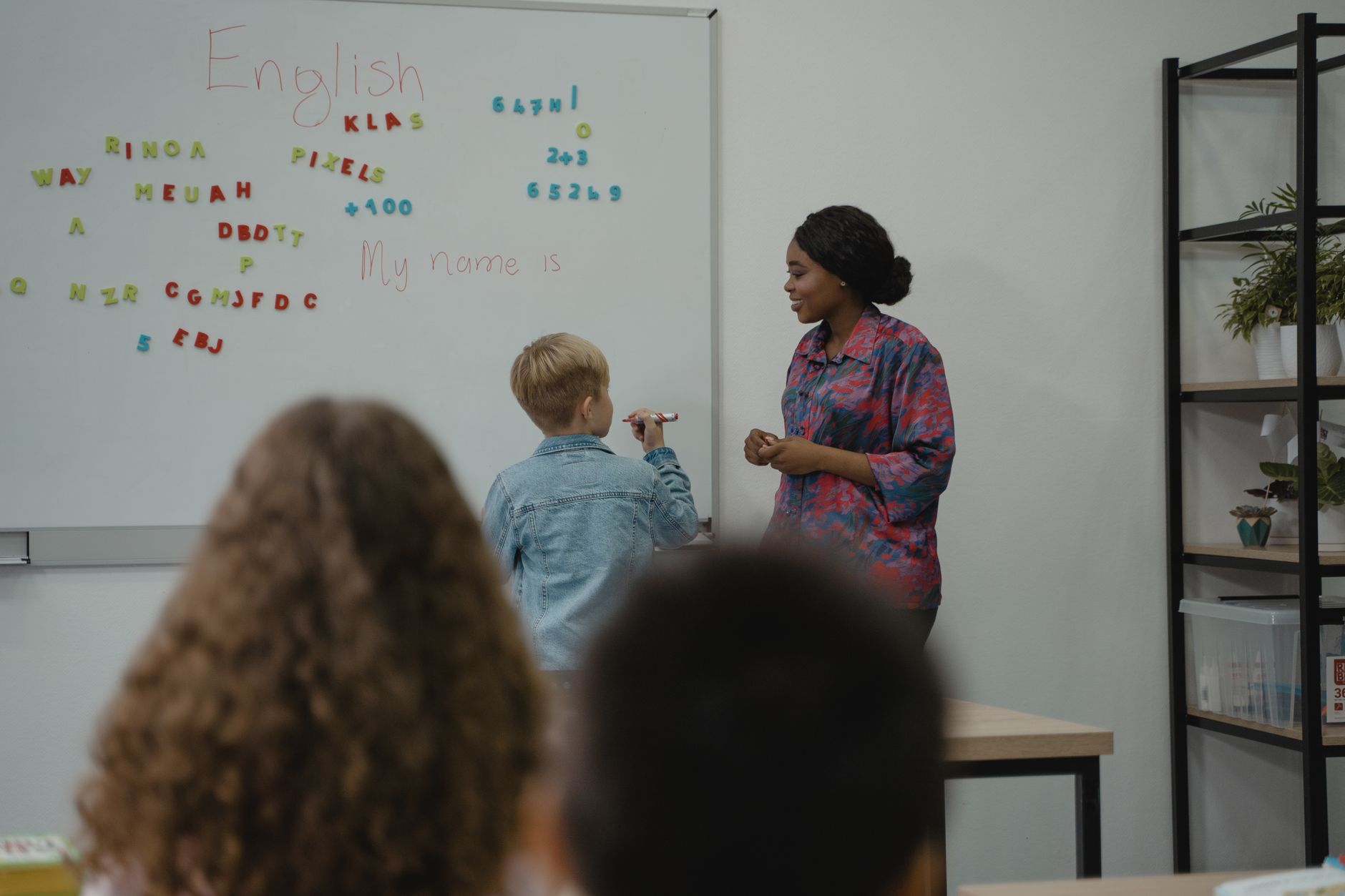
Firstly, English has been introduced as a compulsory subject in primary schools, replacing French as the second language of instruction. This change aims to equip students with the skills needed to navigate the global economy, communicate with international colleagues, and access a broader range of educational resources.
Secondly, English language teaching programs have been strengthened, with increased funding for teacher training and resources. This investment aims to improve the quality of English instruction, ensuring that students receive the best possible education and are better equipped to succeed in a rapidly changing world.
2. The Impact on Education
The shift towards English in Algerian schools has several potential benefits that extend far beyond language instruction. Firstly, English is the lingua franca of the modern world, and proficiency in the language can enhance career opportunities, particularly in fields such as technology, business, and academia.
Secondly, the use of English in education can foster critical thinking and problem-solving skills, as it encourages students to engage with a broader range of ideas and perspectives. This, in turn, can lead to a more informed, globally aware, and culturally competent citizenry.
Thirdly, the integration of English into the curriculum can lead to increased access to educational resources, including online courses, research papers, and educational materials. This can be particularly beneficial for students in rural or disadvantaged areas, who may face limited access to quality educational resources.
3. The Cultural Shift
The rise of English in Algeria is not just about education; it also represents a cultural shift that can have far-reaching implications for society as a whole. Firstly, English can facilitate access to global culture, with movies, music, and literature becoming more widely available.
Secondly, the use of English can help to bridge cultural divides, enabling greater interaction and understanding between Algeria and the rest of the world. This can lead to increased cultural exchange, collaboration, and mutual respect.
Thirdly, the shift towards English can also lead to a reevaluation of cultural identity and the role of Arabic and Berber languages in Algerian society. As the country becomes more connected to the global community, there may be a renewed emphasis on preserving cultural heritage and promoting linguistic diversity.
4. Challenges and Controversies
Despite the potential benefits, the shift towards English in Algeria has not been without controversy. Firstly, there are concerns about the loss of Algeria’s cultural identity, with fears that the dominance of English could erode the use of Arabic and Berber languages.
Secondly, there are concerns about the quality of English language teaching, with some arguing that the emphasis on English may come at the expense of other subjects. This raises questions about the impact on the education system as a whole and the potential consequences for students’ future prospects.
5. The Future of English in Algeria
The future of English in Algeria is uncertain, with ongoing debates about the balance between preserving cultural identity and embracing the global economy. One thing is clear: the shift towards English is a complex and multifaceted issue, with implications for education, culture, and identity.
As the Maghrebi diaspora, we have a unique perspective on these issues, and we invite you to join the conversation. Whether you are an Algerian living abroad or simply interested in this fascinating topic, we encourage you to share your thoughts and experiences.
Call to Action
Join our community, engage in discussions, and help shape the future of English in Algeria. Together, we can navigate the challenges and seize the opportunities presented by this significant shift.
Share your thoughts, ask questions, and provide insights into this complex issue. As we explore the implications of the shift towards English in Algeria, we’ll continue to update this article with new perspectives and insights.
You might also enjoy
Related Articles
- Shifting Tides: Algeria Embraces English in Schools and Curriculum
- A Photographic Journey through Moroccan Youth Culture: Capturing the Spirit of the Maghreb Diaspora
- Algerian Schools Embrace Shakespeare Over Molière: A Shift from France
- Reviving Tradition: Algerian Schools Prioritize Shakespeare over Molière
- Summer of Impact: Celebrating Berber Culture in a Gallery