Here is the improved HTML article:
In the heart of Ramadan, as the sun dips below the horizon and the call to prayer echoes through the streets, the aroma of Algerian bricks wafts from homes, filling the air with a tantalizing symphony of flavors that transport you back to a time when family and tradition were at the forefront of every celebration. This cherished dish, a staple of Algerian cuisine, is not just a meal, but a symbol of community, love, and the spirit of the holy month. As you gather around the Iftar table with loved ones, the scent of sizzling bricks will fill the air, evoking memories of family gatherings and warm, comforting moments. This guide will empower you to master Algerian bricks, ensuring that your Iftar table shines with pride and your guests leave with full bellies and warm hearts.
History and Origins
Tracing its roots back to the Ottoman Empire, Algerian bricks (or m’hanncha) have been a Ramadan staple in Algeria for centuries. Each family has its own recipe, passed down through generations and treasured like a precious heirloom. During Ramadan, bricks are served at Iftar, breaking the fast with family and friends, and at Suhoor, the pre-dawn meal that sustains the faithful through another day of fasting. The tradition of serving bricks during Ramadan is deeply rooted in the country’s cultural heritage, and the dish has become an integral part of Algerian identity.
Ingredients (serves 6)
Authentic Algerian bricks require patience, love, and a few carefully selected ingredients that will transport your taste buds to the sun-kissed streets of Algiers. To create the perfect bricks, you will need:
- 500 g semolina: the cornerstone of any good brick, semolina provides a nutty flavor and a satisfying texture.
- 500 g ground beef: rich and savory, ground beef adds depth and complexity to the dish.
- 200 g ground lamb: adding a hint of gaminess, ground lamb balances out the bold flavors of the dish.
- 1 kg fresh beef tripe, cleaned and sliced: tender and flavorful, tripe is an essential component of traditional Algerian bricks.
- 1 bunch fresh cilantro, finely chopped: adding a burst of fresh flavor, cilantro is the perfect garnish for your bricks.
- 1 bunch fresh parsley, finely chopped: adding a hint of earthy flavor, parsley complements the bold flavors of the dish.
- 4 cloves garlic, minced: adding a pungent aroma, garlic is a fundamental component of traditional Algerian cuisine.
- 2 large onions, finely chopped: adding a sweet and savory flavor, onions bring balance to the dish.
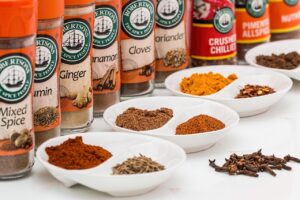
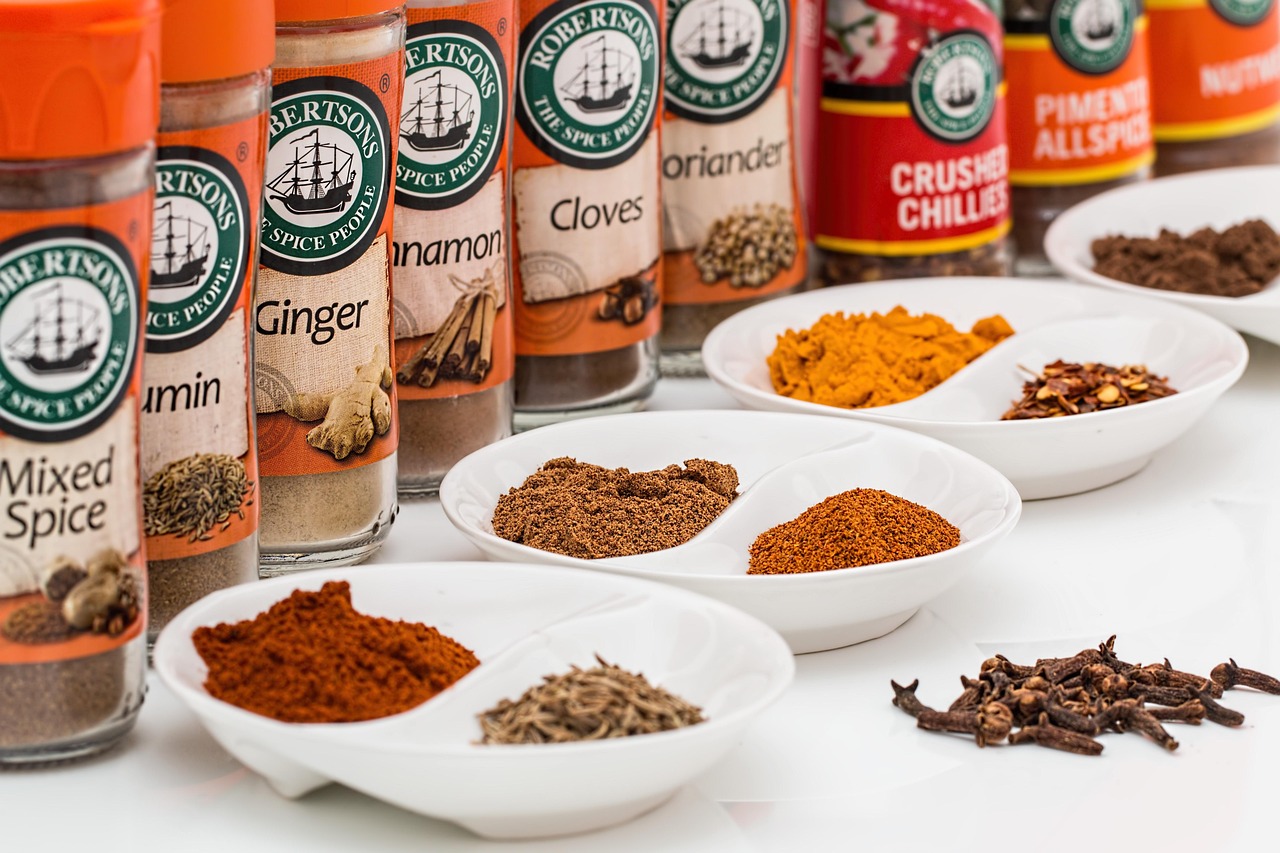
- 2 tbsp paprika: adding a smoky flavor, paprika enhances the overall flavor profile of the dish.
- 2 tbsp cumin: adding a warm, earthy flavor, cumin is a fundamental spice in traditional Algerian cuisine.
- 1 tbsp coriander: adding a citrusy flavor, coriander complements the bold flavors of the dish.
- 1 tsp cinnamon: adding a warm, comforting flavor, cinnamon brings a sense of nostalgia to the dish.
- 2 tsp salt: enhancing the flavors of the dish, salt is an essential component of traditional Algerian cuisine.
- 1 tsp black pepper: adding a sharp, peppery flavor, black pepper brings balance to the dish.
- 1 tbsp harissa: adding a spicy kick, harissa adds depth and complexity to the dish.
- 3 tbsp olive oil: adding a rich, buttery flavor, olive oil brings the dish to life.
- Water: the secret ingredient that brings the dish together, water is essential for the semolina batter.
Step-by-Step Instructions
Prep time: 45 minutes | Cook time: 1 hour 30 minutes | Difficulty: Advanced
- Prepare the tripe: soak tripe in cold water for 2 hours, changing the water every 30 minutes. Rinse well and drain, making sure to remove any impurities that may affect the texture of the dish.
- Make the meat mixture: in a large bowl, combine the ground beef, lamb, cilantro, parsley, garlic, onions, paprika, cumin, coriander, cinnamon, salt, pepper, and harissa. Mix well, using your hands, until all ingredients are evenly distributed, making sure not to overwork the mixture.
- Form the bricks: using damp hands, shape the meat mixture into rectangular bricks, about 15 cm x 5 cm. Set aside, making sure to keep them separate to prevent them from sticking together.
- Prepare the semolina batter: in a large pot, whisk together 1 kg semolina, 1 tbsp salt, and 3 liters of water. Bring to a boil over high heat, stirring constantly, until the batter thickens and forms a smooth, creamy consistency.
- Cook the bricks: once the semolina is boiling, reduce the heat to medium-low and gently place the bricks into the pot. Cover and cook for 1 hour, turning the bricks occasionally to ensure even cooking, making sure not to overcrowd the pot.
- Serve the bricks: using a slotted spoon, carefully remove the bricks from the pot and place on a serving platter. Drizzle with olive oil and garnish with additional cilantro and parsley, making sure to serve immediately for the best texture and flavor.
Tips for Success
The art of making bricks requires practice and patience, but with these tips, you’ll be well on your way to mastering this traditional dish:
- Ensure the tripe is well-soaked and rinsed to remove any impurities
- Do not overwork the meat mixture, as this will result in a dense, dry brick
- Cook the bricks gently, allowing the semolina to absorb the flavors of the meat
- Serve immediately for the best texture and flavor
Regional Variations
While Algerian bricks are the most well-known, bricks with regional variations can be found throughout North Africa. In Tunisia, merguez sausage is often added, while in Morocco, lamb or chicken bricks are popular. Don’t hesitate to experiment with your own variations and make the dish your own!
Serving and Presentation
Serve Algerian bricks as a centerpiece of your Iftar table, accompanied by a refreshing salad and a warm flatbread. Garnish with fresh herbs and a drizzle of olive oil, making sure to create a visually appealing presentation that will impress your family and friends.
You might also enjoy
Related Articles
- Mastering the Art of Making Algerian Bricks: A Comprehensive Guide for the Maghrebi Diaspora
- Celebrating Ramadan: Mastering Algerian Bricks Recipe for the Maghrebi Diaspora
- Ramadan Recipe: How to Make Algerian Bricks for Iftar
- Mastering the Traditional Mazagran Coffee Recipe: A Guide for the Maghrebi Diaspora
- Unveiling the Best Travel Rewards for Exploring the Middle East and North Africa: A Comprehensive Guide for the Maghrebi Diaspora
Conclusion
Bricks are more than just a dish — they are a testament to the rich cultural heritage and community spirit of Algeria. With this step-by-step guide, you are now equipped to bring the flavors of home to your own table. Share your Algerian brick journey with us by tagging #AlgerianBricks and #Ramadan, and don’t forget to tag your loved ones who have passed down this cherished recipe through generations.