Unveiling the Transformation of Maghreb Weddings: A Paris Exhibition Delves Deep
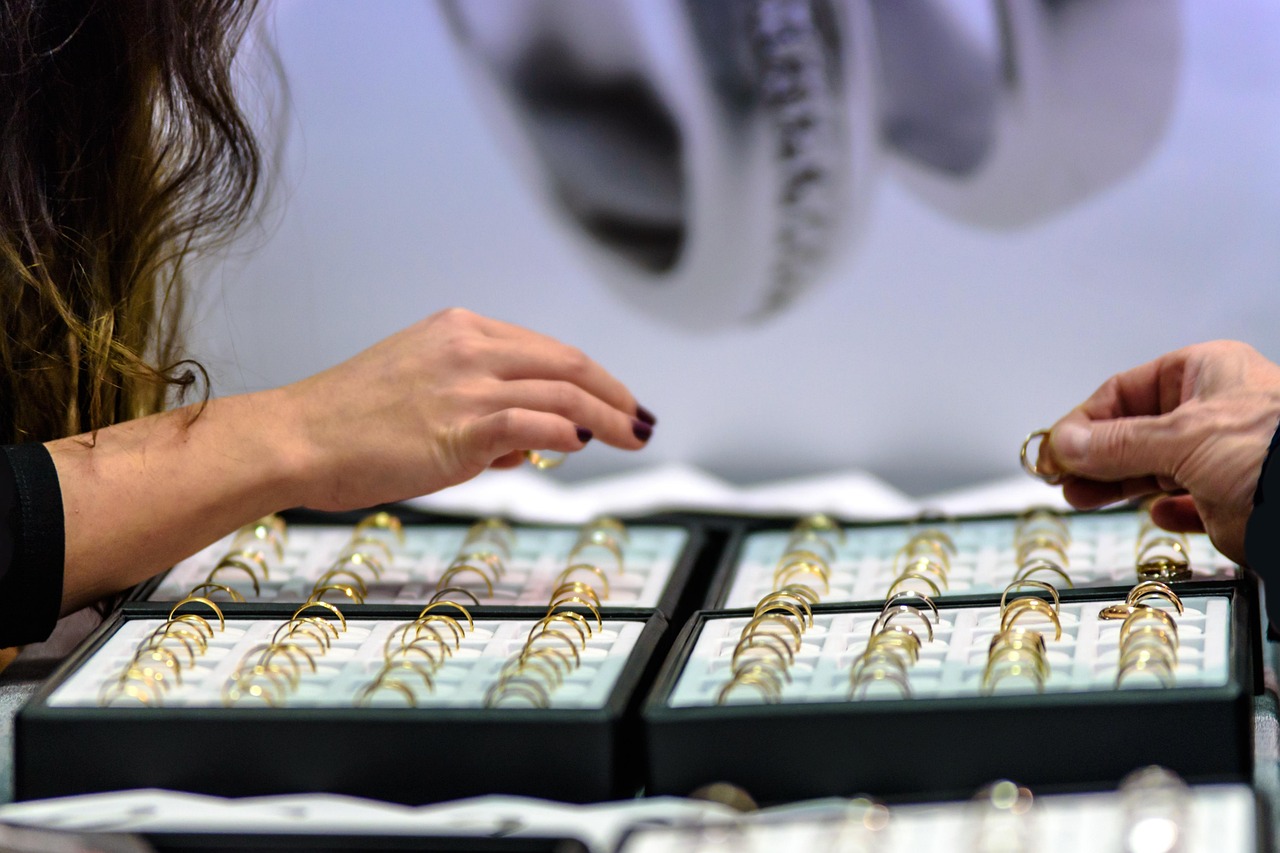
In the heart of Paris, a remarkable exhibition has opened its doors, offering a captivating journey into the rich and diverse cultural heritage of the Maghreb region. This exhibition, titled ‘Weddings of the Maghreb: Treasures of a Millennial Tradition’, has attracted a significant audience, particularly the Maghrebi diaspora, as it delves deep into the fascinating transformation of Maghreb weddings over centuries. With its stunning displays of jewelry, textiles, and ceremonial objects, this exhibition is a must-see for anyone interested in exploring the evolution of Maghreb weddings.
Traditional Maghreb Weddings: A Blend of Cultures
Before we delve into the evolution, let’s take a moment to appreciate the beauty of traditional Maghreb weddings. Each country – Morocco, Algeria, Tunisia, and Libya – has its unique customs, from the striking wedding attire to the lively music and dances. Morocco, for instance, is famous for its intricate embroidery and precious stones, while Algeria is known for its traditional music called Raï. Tunisia, on the other hand, is renowned for its lavish feasts and the colorful, patterned ceramics called faience.
The exhibition also highlights the shared aspects of Maghreb weddings, such as the importance of hospitality, the role of henna parties, and the significance of dowry. These traditions have been passed down through generations, and they continue to play a vital role in the celebrations of Maghrebi people today.
Influence of Colonialism: A Time of Change
The arrival of colonial powers in the 19th and 20th centuries brought significant changes to Maghreb weddings. European influences seeped into traditional customs, transforming the way weddings were celebrated. One of the most noticeable changes was the adoption of Western-style attire for brides and grooms. This trend, while controversial among some communities, is now a common sight at Maghreb weddings.
The exhibition displays examples of these hybrid outfits, showcasing the delicate balance between tradition and modernity. For instance, you can see stunning displays of Moroccan brides wearing intricate embroidery and precious stones, alongside Algerian grooms donning traditional garb with a modern twist.
Another area where the influence of colonialism is evident is the music. European music, such as classical and jazz, began to play a role in Maghreb weddings, often blended with traditional tunes. This blend of styles has resulted in unique and captivating sounds that continue to evolve to this day.
Independence and Modernization: A New Era
The independence of the Maghreb countries in the mid-20th century marked a new era for Maghreb weddings. The rise of national identity led to a renewed interest in traditional customs, as well as a push for modernization. In the decades that followed, many Maghreb countries saw a decline in the practice of polygamy, a shift towards civil marriage, and the introduction of marriage contracts.
The exhibition explores these changes and their impact on Maghreb weddings. It highlights the role of women in this evolution, as they began to assert their rights and expectations within the context of Maghreb weddings.
Globalization and Diaspora: Adapting to a Changing World
Today, the Maghreb diaspora is a global phenomenon, with millions of people living and working in countries far from their homeland. This has led to a blending of cultures, as Maghreb traditions meet and merge with those of their new homes. The exhibition delves into the ways in which Maghreb weddings have adapted to this globalized world.
It examines the challenges faced by the diaspora in maintaining traditions while integrating into their new societies. One interesting aspect of this section is the exploration of intercultural marriages, where Maghreb traditions meet those of other cultures. The exhibition showcases stunning examples of fusion weddings, demonstrating the resilience and adaptability of Maghreb wedding customs.
Call to Action: Embracing Our Heritage
The ‘Weddings of the Maghreb: Treasures of a Millennial Tradition’ exhibition serves as a reminder of the rich heritage that unites us as Maghrebi people. It encourages us to embrace our traditions, while also acknowledging the changes that have shaped them over time.
As we navigate the complexities of our diaspora lives, let us remember the beauty and strength of our Maghreb roots. Let us cherish and celebrate our traditions, while also embracing the new experiences and opportunities that await us in this globalized world.
If you have the chance, do visit this remarkable exhibition in Paris. It promises to be a journey of discovery and a celebration of our shared heritage. Take a moment to appreciate the beauty of traditional Maghreb weddings, and let the exhibition serve as a reminder of the rich cultural heritage that unites us all.
You might also enjoy
Related Articles
- Unveiling the Evolving Landscape of Maghreb Weddings in Paris: A Cultural Odyssey
- Spotlight on Maghrebi Weddings: Insights from the Paris Exhibition
- Embracing Maghrebi Traditions: A Guide to Celebrating Ramadan within the Diaspora in the US
- Exploring the Influence of Raï Music on Algerian Culture: A Deep Dive for the Maghrebi Diaspora
- Exploring Maghrebi Heritage Sites: A Travel Guide for the Diaspora