Spotlight on Maghrebi Weddings: Insights from the Paris Exhibition
Welcome, dear readers of the Maghrebi diaspora! We’re thrilled to share with you the unforgettable experience of the Paris exhibition, which celebrated the rich and diverse culture of Maghrebi weddings. This incredible event not only gave us a glimpse into the intricate traditions and customs of our shared heritage but also served as a powerful reminder of the resilience, creativity, and unity that define us. In this article, we’ll take you on a journey through the various aspects of the exhibition and explore its profound impact on our community.
1. The Exhibition: A Vibrant Celebration of Colors and Traditions
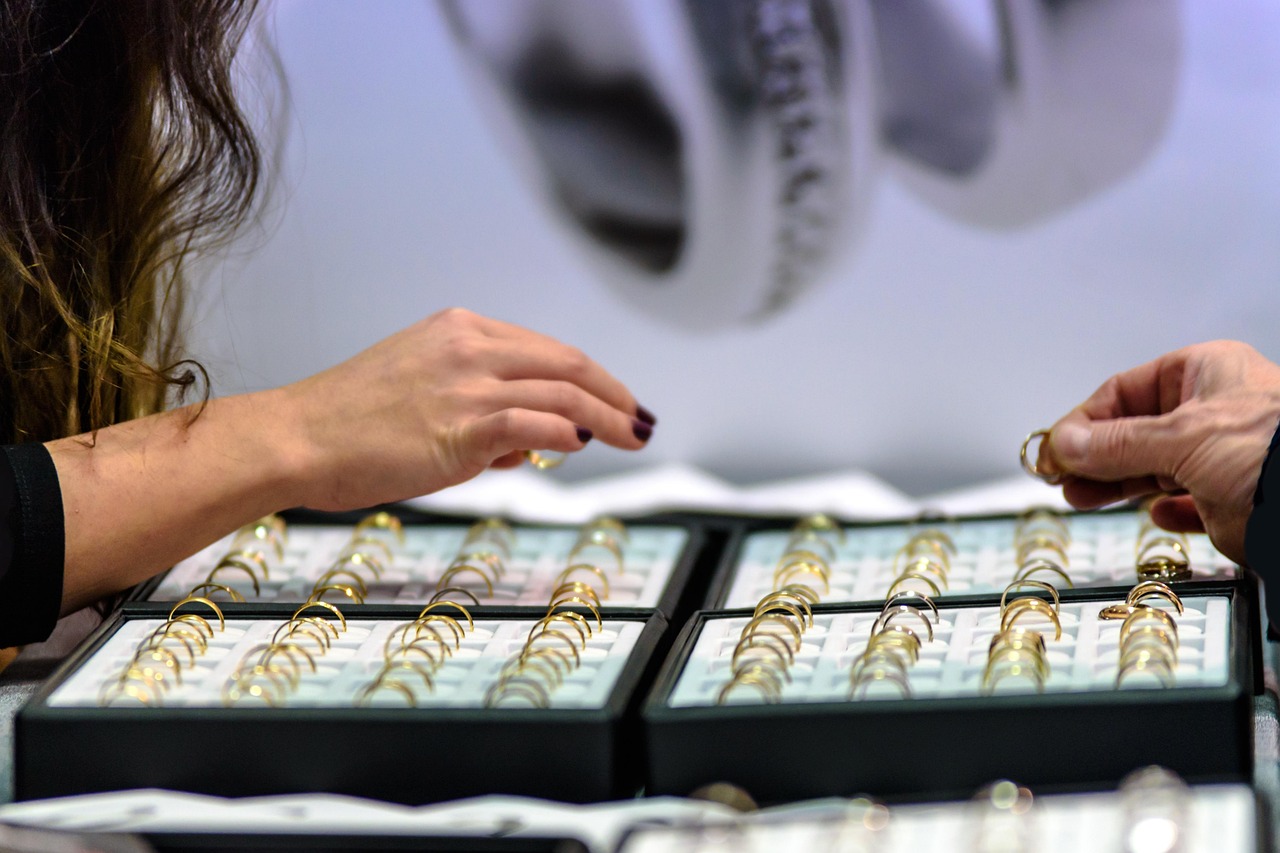
The exhibition, titled ‘Noces de Fez: Les Mariages Magnhrebins en France’, was a visual feast that showcased the myriad aspects of Maghrebi weddings. The stunning displays featured exquisite traditional costumes, intricate jewelry, delicate embroidery, and ornate wedding decorations from Morocco, Algeria, Tunisia, and Libya. Each piece told a story of our shared heritage, serving as a testament to the richness and diversity of our culture.
One of the most striking displays was the ‘Sousse Wedding Procession’, a dazzling recreation of the traditional Tunisian wedding procession. Complete with horse-drawn carriages, music, and dancers, this display offered a vibrant and immersive experience for visitors. The aroma of traditional Maghrebi cuisine wafted through the air, transporting visitors to the vibrant streets of Sousse.
Another highlight was the ‘Wedding Feast’ section, which showcased the sumptuous food and drinks that are an integral part of Maghrebi weddings. Visitors were treated to an array of traditional dishes, from Moroccan couscous to Algerian chorba, which not only satisfied their taste buds but also provided a tantalizing glimpse into the culinary delights of our homeland. The aroma of freshly baked bread and the sound of laughter and music filled the air, creating a warm and inviting atmosphere.
2. The Role of Music and Dance in Maghrebi Weddings
Music and dance are essential elements of Maghrebi weddings, and the exhibition did not disappoint. Visitors were treated to live performances of traditional Maghrebi music, including raï, chaâbi, and gnawa, which filled the air with a lively and infectious energy. The sound of drums, guitars, and ouds created a mesmerizing atmosphere, drawing visitors in and transporting them to the vibrant streets of our homeland.
One of the most captivating performances was the ‘Rai Dance’, a high-energy display of Algerian raï music and dance. The performers, dressed in traditional Algerian wedding attire, mesmerized the audience with their skill and passion. The audience was transported to the bustling streets of Algiers, where the sounds of raï music and the rhythms of the dance filled the air.
Another standout performance was the ‘Gnawa Dance’, a spiritual ritual from Morocco that is an essential part of many Maghrebi weddings. The Gnawa musicians, dressed in traditional white garments adorned with colorful beads, played hypnotic rhythms on their instruments, while dancers moved in a trance-like state, offering a glimpse into the spiritual heart of Maghrebi weddings.
3. The Evolution of Maghrebi Weddings in France
The exhibition also focused on the evolution of Maghrebi weddings in France, highlighting the ways in which our culture has adapted to its new environment while maintaining its unique identity. This section featured stunning examples of wedding dresses that combined elements of traditional Maghrebi costumes with modern French fashion, offering a contemporary take on our shared heritage.
One of the most interesting displays was the ‘Mixed Weddings’ section, which showcased the blending of Maghrebi and French traditions in modern weddings. This section featured stunning examples of wedding dresses that combined elements of traditional Maghrebi costumes with modern French fashion, offering a contemporary take on our shared heritage.
Another interesting display was the ‘Intergenerational Exchange’ section, which focused on the role of older generations in preserving and passing down traditional Maghrebi wedding customs to younger generations. This section featured interviews with elders who shared their wisdom and experiences, offering valuable insights into the importance of tradition in our community.
4. The Impact on the Maghrebi Diaspora
The exhibition had a profound impact on the Maghrebi diaspora, serving as a powerful reminder of our shared heritage and offering a platform for our culture to be celebrated and appreciated. For many, the exhibition was a powerful reminder of the richness and diversity of our culture and a celebration of our resilience and creativity.
One of the most significant impacts was the renewed sense of pride and identity that many members of the diaspora felt. The exhibition provided a sense of connection and belonging, reminding us of our shared heritage and the importance of preserving and celebrating our culture.
Another important impact was the fostering of connections and networks within the Maghrebi diaspora. The exhibition attracted a diverse crowd of Maghrebi people from various backgrounds, offering an opportunity for them to connect, share stories, and build relationships. The exhibition provided a platform for people to come together, share their experiences, and celebrate their shared heritage.
5. The Call to Action
As we reflect on the Paris exhibition and its impact on the Maghrebi diaspora, we are reminded of the importance of preserving and celebrating our shared heritage. We encourage our readers to continue sharing their stories, traditions, and experiences with one another, and to seek out opportunities to celebrate and showcase our culture.
We also encourage our readers to support initiatives and events that celebrate Maghrebi culture, both within the diaspora and in our homeland. By doing so, we can ensure that our rich and diverse heritage continues to thrive for generations to come.
Let us continue to celebrate and cherish our shared heritage, and let us use our collective voice to ensure that our culture is recognized and appreciated. Vive la Maghreb!
You might also enjoy
Related Articles
- Exploring the Influence of Raï Music on Algerian Culture: A Deep Dive for the Maghrebi Diaspora
- Preserving Our Culture: Lessons from the Maghrebi Diaspora in France
- Exploring the Future Prospects and Challenges of Amazigh Culture in Morocco: A Call to Action for the Maghrebi Diaspora
- The Role of the Maghrebi Diaspora in A&R: Insights and Case Studies
- Preserving and Promoting Maghrebi Culinary Heritage in the Diaspora: A Call to Action