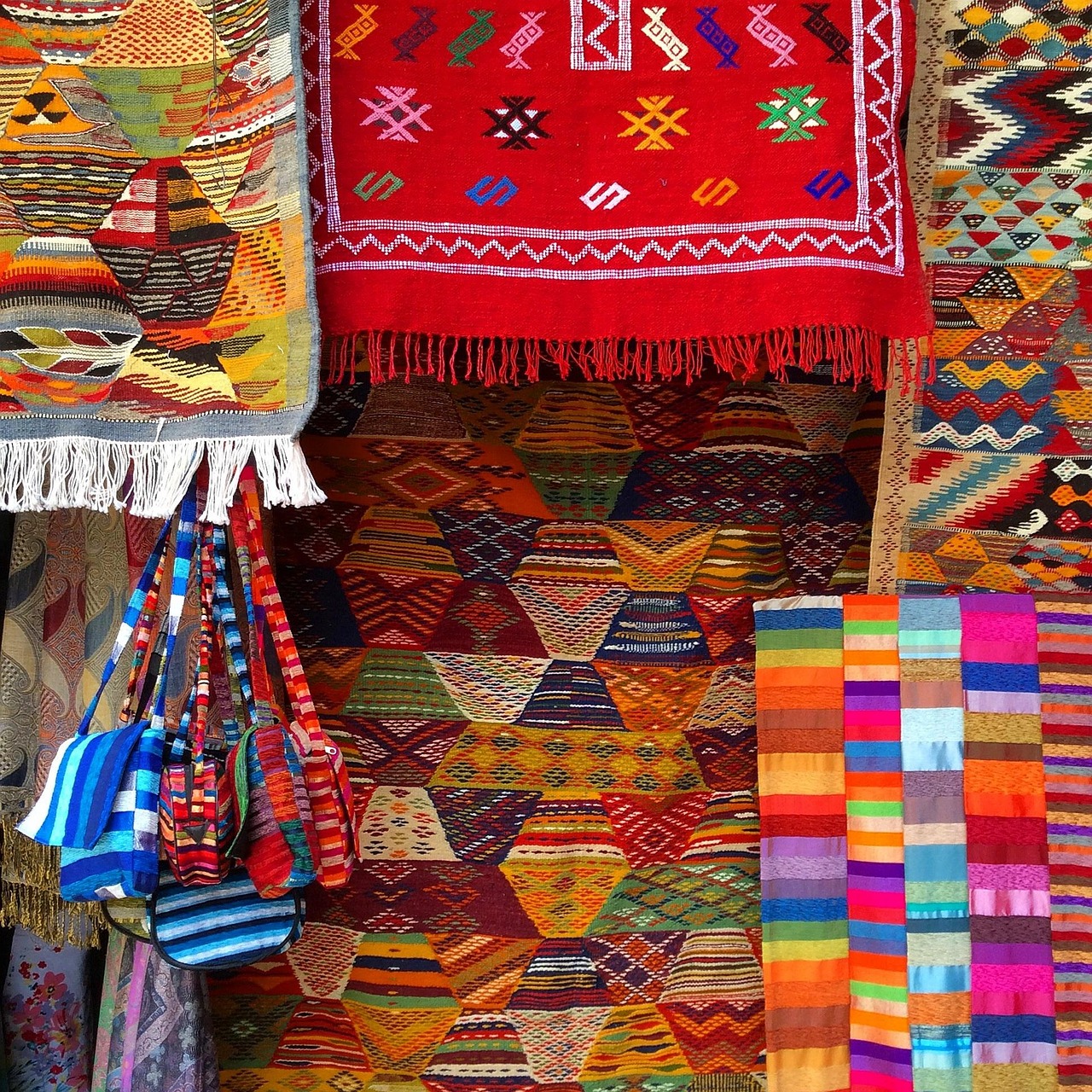
Chinese Textile Investment in Morocco: Opportunities and Challenges
Welcome to our article, where we’ll delve into the fascinating topic of Chinese textile investment in Morocco! This significant economic shift presents a plethora of opportunities and challenges that are worth exploring.
Background: A Growing Economic Relationship
The relationship between China and Morocco has been growing stronger over the years, with China emerging as one of Morocco’s top trading partners. This growth is particularly evident in the textile sector, where Chinese investment has played a pivotal role.
China’s textile industry, driven by its economies of scale, offers high-quality and affordable products that have made it a global leader in the sector. Morocco, on the other hand, boasts a strategic geographical location, a favorable investment climate, and an abundant labor force, making it an attractive destination for Chinese investors.
One of the most notable investments is the Tangier Textile City, a Chinese-funded industrial park dedicated solely to the textile sector. This project is expected to create thousands of jobs and boost Morocco’s textile exports, making it a game-changer for the country’s economy.
Opportunities: Economic Growth and Job Creation
The influx of Chinese investment has the potential to spur economic growth in Morocco. The creation of the Tangier Textile City, for instance, is anticipated to generate significant employment opportunities, providing a much-needed boost to the country’s labor market.
Moreover, the increased production capacity in the textile sector could potentially lead to a surge in Morocco’s textile exports, enhancing its position in the global market. This, in turn, could attract more foreign investment and create a positive cycle of growth.
Furthermore, Chinese investment could encourage technological advancements in Morocco’s textile industry, fostering innovation and competitiveness. This could lead to the development of new products and processes, making Moroccan textile industries more attractive to local and international consumers.
Challenges: Competition and Environmental Concerns
Despite the opportunities, challenges also arise. One significant challenge is competition. With China being a global leader in textile production, there are concerns about Moroccan textile industries struggling to compete on price and quality.
Another challenge is environmental concern. The textile industry is notorious for its high environmental impact, including pollution and waste. Ensuring that Chinese investors adhere to Moroccan environmental regulations is crucial to mitigate any negative environmental impact.
Lastly, there are concerns about job quality and wage standards. While job creation is essential, it’s equally important to ensure that these jobs offer fair wages and decent working conditions. This requires careful planning and coordination between government agencies, employers, and employees.
Collaboration: The Key to Success
Collaboration between Moroccan and Chinese stakeholders is crucial to navigate these challenges. This includes government agencies, local textile industries, and Chinese investors working together to create a win-win situation.
Government agencies should establish clear regulations and guidelines to ensure a level playing field, while promoting transparency and accountability. This could involve setting standards for environmental sustainability, labor rights, and fair competition.
Local textile industries can learn from Chinese expertise and adopt best practices to improve competitiveness. This could involve sharing knowledge, skills, and resources to develop new products and processes.
Meanwhile, Chinese investors can benefit from Moroccan resources and market knowledge, ensuring that their investments are mutually beneficial and sustainable.
Call to Action: Engage and Inform
As members of the Maghrebi diaspora, it’s essential to stay informed about such developments and engage in discourse around their implications. Let’s discuss, share insights, and work towards a prosperous future for our home countries. By doing so, we can contribute to a more informed and engaged community that can make a positive impact on the ground.
You might also enjoy
Related Articles
- A New Dawn: Morocco’s Emerging Role in Chinese Textile Investment
- Exploring the Future of Amazigh Culture in Morocco: Opportunities and Challenges
- Exploring the Future of Amazigh Culture in Morocco: Challenges and Opportunities
- Exploring the Future Prospects and Challenges of Amazigh Culture in Morocco: A Call to Action for the Maghrebi Diaspora
- The Rise of Maghrebi Diaspora Entrepreneurs and Their Impact on Transatlantic Business