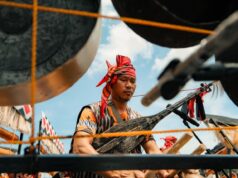
Exploring the Future of Amazigh Culture in Morocco: Opportunities and Challenges
Welcome, readers! Today, we embark on a journey to explore the rich and vibrant world of Amazigh culture in Morocco. As the indigenous culture of the Berber people, Amazigh culture is an integral part of Morocco’s heritage and identity, yet it faces both opportunities and challenges in the 21st century. With its unique language, Tamazight, and distinct customs, Amazigh culture has been a beacon of resilience and adaptability throughout history. From the ancient kingdoms of Numidia and Mauretania to the more recent Rif Rebellion, Amazigh people have consistently fought to preserve their unique identity. Today, Amazigh culture is experiencing a resurgence in Morocco, with the King of Morocco acknowledging its importance and implementing policies to promote its preservation and development.
The Rich History of Amazigh Culture
Amazigh culture dates back thousands of years, with Berber tribes inhabiting North Africa long before the arrival of the Arab conquerors. The Amazigh language, Tamazight, is one of the oldest languages in the world, predating many of the Semitic languages in the region. Throughout history, Amazigh culture has shown incredible resilience and adaptability, from the ancient kingdoms of Numidia and Mauretania to the more recent Rif Rebellion, Amazigh people have consistently fought to preserve their unique identity.
From the intricate patterns of Berber textiles to the vibrant rhythms of Amazigh music, the culture has been a vital part of Moroccan identity. The Amazigh people have also been known for their rich storytelling traditions, passing down oral histories and myths from generation to generation. Today, Amazigh culture is experiencing a resurgence in Morocco, with the King of Morocco acknowledging its importance and implementing policies to promote its preservation and development.
The Impact of Globalization on Amazigh Culture
However, the rise of globalization brings both opportunities and challenges for Amazigh culture. On one hand, the internet and social media platforms have allowed Amazigh artists, musicians, and writers to share their work with a global audience, exposing the world to the rich diversity of Amazigh culture. On the other hand, globalization has also led to the homogenization of cultures, with Western influences dominating many aspects of life in Morocco. This can threaten the unique aspects of Amazigh culture and lead to a loss of traditional knowledge and practices.
To combat this, it is essential that efforts are made to support and promote Amazigh artists and cultural institutions. This includes providing funding, resources, and infrastructure to ensure the preservation and development of Amazigh culture. Furthermore, it is crucial that we recognize and respect the value of Amazigh culture, rather than assimilating it into a more dominant culture.
Education and the Preservation of Amazigh Culture
Education plays a crucial role in preserving and promoting Amazigh culture. In recent years, there has been a push to incorporate Tamazight into the Moroccan education system, including teaching Tamazight as a subject in schools and offering bilingual education programs. This is a vital step in ensuring the preservation of Amazigh culture for future generations. However, there are still challenges to overcome in the education sector. Many teachers lack adequate training in Tamazight, and there is a lack of resources and textbooks available.
To address these challenges, it is essential that the Moroccan government invests in the training of teachers and the development of educational resources. This will ensure that future generations are able to learn and appreciate Amazigh culture. Additionally, it is crucial that we recognize the importance of language preservation and provide support for Amazigh language initiatives.
The Role of the Diaspora in Supporting Amazigh Culture
The Maghrebi diaspora plays a crucial role in supporting Amazigh culture. Diaspora members can contribute financially, through donations to cultural institutions and organizations. They can also share their knowledge and expertise, helping to preserve and promote Amazigh culture in Morocco and beyond. In addition, diaspora members can use their influence to raise awareness about Amazigh culture and the challenges it faces, speaking out against discrimination and advocating for policies that support the preservation and development of Amazigh culture.
To maximize the impact of diaspora support, it is essential that there is coordination and collaboration between organizations and individuals working to support Amazigh culture. This includes establishing networks and partnerships to pool resources and share knowledge. Furthermore, it is crucial that we recognize the importance of diaspora engagement and provide support for diaspora-led initiatives.
A Call to Action
The future of Amazigh culture in Morocco is bright, but it faces significant challenges. It is essential that we work together to support and promote Amazigh culture, ensuring that it continues to thrive for generations to come. Whether you are a member of the Maghrebi diaspora or a lover of Amazigh culture, there are many ways to get involved. You can donate to cultural organizations, volunteer your time and skills, or simply share your knowledge and appreciation for Amazigh culture with others.
Together, we can ensure that Amazigh culture continues to play a vital role in Morocco’s heritage and identity. Let us work together to preserve and promote this rich and vibrant culture, and to ensure that it remains a beacon of resilience and adaptability for generations to come.
You might also enjoy
Related Articles
- Exploring the Future of Amazigh Culture in Morocco: Challenges and Opportunities
- Exploring the Future Prospects and Challenges of Amazigh Culture in Morocco: A Call to Action for the Maghrebi Diaspora
- Exploring Amazigh Culture in Morocco: Challenges, Prospects, and a Call to Action
- Reviving and Celebrating Amazigh Culture: Challenges and Future Prospects
- Highlighting Amazigh Culture: Challenges, Successes, and Future Prospects