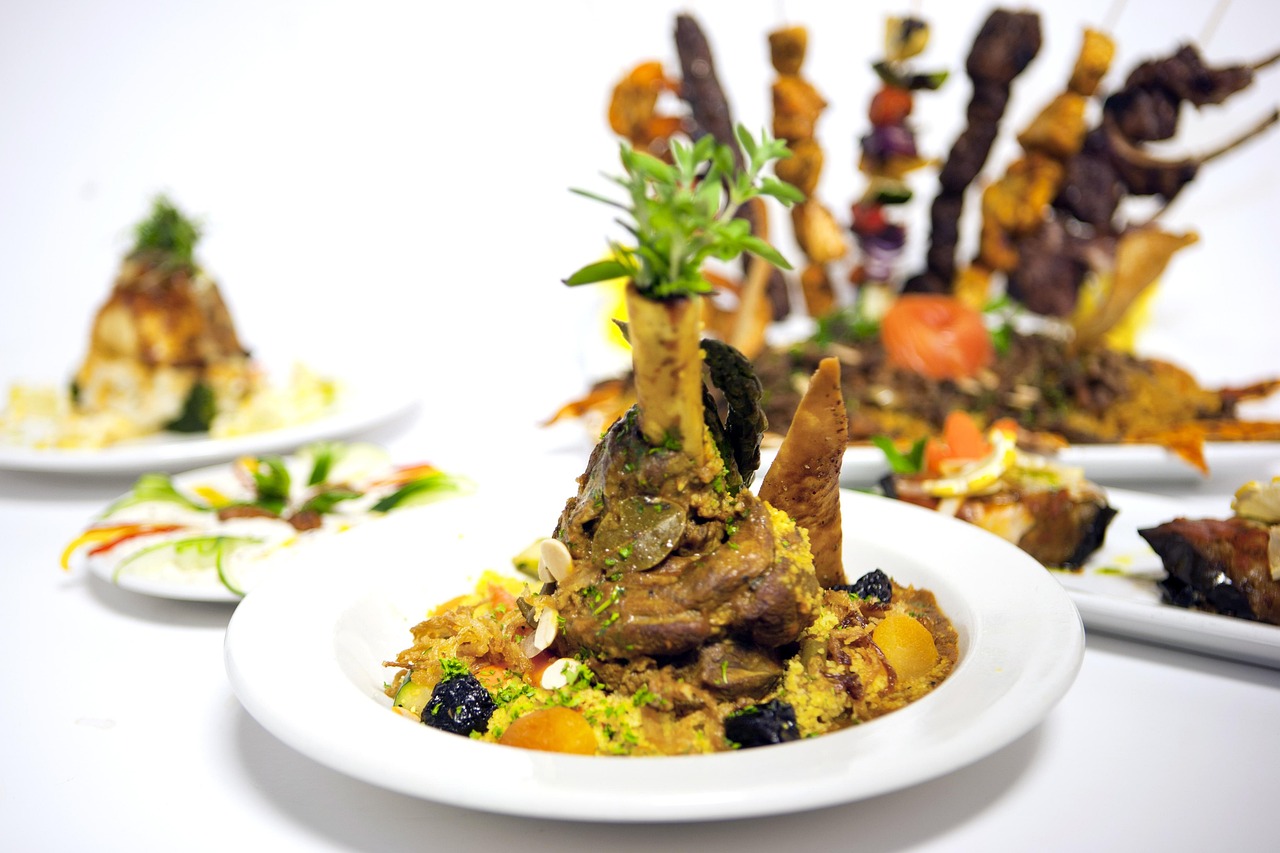
The moment MasterChef judge Dave Patera lays his eyes on a tagine, he is instantly transported back to the vibrant souks of Marrakech. The aromatic spices, rich flavors, and warm hospitality that fill the air as you wander through these ancient marketplaces are all encapsulated in this beloved Moroccan dish. For Patera, the slow-cooked goodness of a traditional tagine is more than just a meal – it’s an invitation to gather around the table with loved ones and share in the joy of good food and company. And now, he’s eager to share his passion for the tagine with you, offering a recipe that will have you whipping up this family favorite in no time.
History and Origins
The art of tagine cooking dates back to the Berber tribes of North Africa, whose earthenware pots were used not only for slow-cooking but also as a serving vessel. Over time, each region has developed its own unique take on this traditional dish – from Morocco’s rich flavors and spices to Algeria’s bold use of harissa. But at its heart, the tagine remains a symbol of love, connection, and community. And it’s precisely these qualities that make Patera’s recipe so special: his slow-cooked chicken is infused with the zesty tang of preserved lemons and briny olives, creating a dish that’s both familiar and exotic.
For Patera, the tagine is more than just a meal – it’s an invitation to gather around the table and share in the joy of good food and company. And as you sit down to enjoy this hearty dish with your loved ones, you can’t help but feel like you’re part of something bigger than yourself – connected to a rich culinary heritage that spans generations and cultures.
Ingredients (serves 6)
- 1 whole chicken (about 1.5 kg), cut into pieces – Patera likes to use bone-in, skin-on chicken for maximum flavor and moisture.
- 4 preserved lemons, rinsed and quartered – the tangy, slightly sweet flavor of these preserved lemons is a key component of this dish.
- 1 cup green olives (about 200 g) – Patera’s favorite type of olive for adding depth and complexity to the tagine.
- 6 garlic cloves, finely chopped – these might just be the most important ingredient in this recipe, as they add a pungent flavor that ties everything together.
- 4 tbsp olive oil – use a high-quality olive oil for maximum flavor and texture.
- 2 tsp ras el hanout – this Moroccan spice blend adds a warm, aromatic flavor to the dish.
- 1 tsp ground cumin – cumin is a staple in North African cuisine, adding warmth and depth to the tagine.
- 1 tsp paprika – smoked or sweet paprika adds a rich, slightly smoky flavor to the dish.
- ½ tsp saffron threads, crushed and soaked in 2 tbsp hot water for 5 minutes – this luxurious spice adds a subtle, earthy flavor to the tagine.
- Salt and black pepper to taste – don’t be afraid to season this dish liberally, as it’s meant to be enjoyed with a hearty appetite.
- 1 onion, finely chopped – use a sweet onion like Vidalia or Maui for added depth of flavor.
- 3 carrots, peeled and sliced – Patera likes to add some sweetness to the tagine with these thinly sliced carrots.
- 4 potatoes, peeled and quartered – these might just be the most comforting part of this dish – who doesn’t love a good potato?
- 2 tbsp honey – adds a touch of sweetness to balance out the savory flavors.
- 1 cup chicken stock (250 ml) – use low-sodium chicken broth or homemade stock for maximum flavor.
Step-by-Step Instructions
Prep time: 30 minutes | Cook time: 2 hours | Difficulty: Easy
- Sear the chicken: heat olive oil in a large heavy pot over medium-high heat. Season the chicken pieces with salt and pepper, then sear until browned on all sides, about 8 minutes total. Transfer to a plate and set aside.
- Build the base: in the same pot, sauté the garlic until fragrant, about 1 minute. Stir in ras el hanout, cumin, paprika, crushed saffron and its soaking water, then add the onion. Cook for 5 minutes until softened.
- Assemble the tagine: arrange the chicken pieces, preserved lemons, olives, carrots, potatoes, and aromatics in the pot, nestling them among the flavors. Drizzle honey over the top, then pour in the chicken stock.
- Cook the tagine: cover the pot with a lid or a double layer of aluminum foil and cook on low heat for 1 hour. Uncover, stir gently, and continue cooking until the chicken is tender and the sauce has thickened, about 30 minutes more.
Tips for Success
Patera’s secret to a perfect tagine lies in the caramelization of the chicken and the slow simmering of the ingredients. Do not rush this process – allow the flavors to meld together for maximum impact.
- If using a clay tagine, preheat it in the oven before browning the chicken
- Do not stir the tagine during cooking – let the flavors develop undisturbed
- Adjust seasoning to taste before serving
Variations
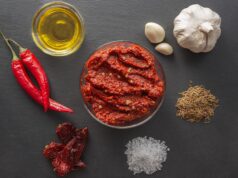
The beauty of the tagine is its versatility. Patera suggests swapping out preserved lemons for fresh lemon slices or adding a handful of dried apricots for a Moroccan touch. In Algeria, harissa is often added to the sauce, while Tunisian tagines might feature fish instead of chicken.
Serving and Presentation
Serve the tagine hot in its pot or transfer it to a large serving platter. Garnish with fresh coriander or parsley if desired. Traditionally served with couscous, but rice or crusty bread would work equally well – the key is to let everyone serve themselves and dig in.
Conclusion
Patera’s love for Maghrebi cuisine shines through in this simple yet exquisite tagine recipe. Embrace the warmth and hospitality of North African cooking by trying it out at home – we guarantee it will become a new family favorite. So go ahead, invite some friends over, and let the aromas of this incredible dish transport you to the vibrant souks of Marrakech.
You might also enjoy
Related Articles
- MasterChef’s Dave Patera Shares Authentic Maghrebi Recipes for Home Cooking: Harissa Chicken Tagine and Algerian B’soussa
- A Love Affair with Maghrebi Cuisine: MasterChef Dave Patera’s Journey
- The Influence of Maghrebi Food on Chef Dave Patera and MasterChef
- A Culinary Journey Through Maghrebi Food: MasterChef Dave Patera’s Story
- MasterChef Dave Patera’s Maghrebi Culinary Journey