Here is the improved HTML article:
Uniting Across Borders: A Traditional Maghrebi Feast – Couscous
Beyond the boundaries of time, geography, and language lies a shared Maghrebi tradition that has been deeply rooted for centuries. This tradition is couscous – the national dish of Algeria, Tunisia, and Morocco, which unites families, communities, and the diaspora in joyful celebration. In this recipe, we’ve brought together the best of each country’s culinary heritage to create a feast that pays homage to the rich diversity within our shared culture.
History and Origins
Couscous has been a staple of North African cuisine for over a thousand years, with origins tracing back to the Berber people of the Maghreb. Each region has its own unique version: Moroccan couscous is famous for its seven vegetables and lamb, while Algerian couscous tends to be spicier and Tunisian couscous often features fish on the coast. Traditionally served at Friday family lunches, it’s also a central part of weddings, Eid celebrations, and welcoming guests.
Ingredients (serves 6)
To create this shared recipe, we’ve combined elements from all three countries to produce a delicious fusion. Use a couscoussier if you have one – steaming the couscous over the broth is key to light, non-clumpy grains. If not, a fine-mesh colander over a large pot works well.
- 500g medium-grain couscous – not instant couscous if you can help it
- 700g bone-in lamb shoulder – cut into large chunks by your butcher
- 3 medium carrots – peeled and halved
- 3 medium courgettes – halved lengthways
- 2 medium turnips – peeled and quartered
- 400g canned chickpeas – drained and rinsed
- 3 large tomatoes – quartered
- 1 large onion – finely chopped
- 4 tbsp olive oil
- 2 tsp ras el hanout
- 1 tsp ground coriander
- 1 tsp ground cumin
- ½ tsp ground cinnamon
- Salt and black pepper to taste
- Fresh coriander – a large handful, chopped
- 1kg mixed seafood – such as prawns, mussels, and squid (optional)
Step-by-Step Instructions
Prep time: 25 minutes | Cook time: 1 hour 30 minutes | Difficulty: Medium
- Brown the lamb: heat olive oil in the bottom of your couscoussier or a large heavy pot over medium-high heat. Add the lamb pieces and brown on all sides, about 8 minutes total. Do not rush this step – the caramelisation creates the deep flavour base of the entire dish. Remove and set aside.
- Build the broth: in the same pot, fry the onion until soft and golden, about 5 minutes. Add the ras el hanout, cumin, coriander, and cinnamon, stir for 30 seconds until fragrant. Return the lamb, add 1.5 litres of water, season generously with salt and pepper. Bring to a boil, then reduce to a gentle simmer.
- Add vegetables and seafood (if using): after 30 minutes of simmering, add the carrots and turnips – they need the most time. After another 20 minutes, add the tomatoes, courgettes, chickpeas, and mixed seafood (if using). Taste the broth and adjust seasoning.
- Prepare the couscous: place couscous in a large bowl, drizzle with 2 tbsp olive oil, and rub between your palms to coat each grain. Add 300ml of warm salted water, stir, and leave to absorb for 5 minutes. Rake with a fork to separate grains.
- Steam the couscous: place couscous in the top of the couscoussier and steam over the broth for 20 minutes. Remove, break up any clumps with a fork, add a knob of butter, and return to steam a further 10 minutes until perfectly fluffy.
Tips for Success
The difference between good couscous and great couscous usually comes down to a few small details that experienced cooks know by instinct.
- Never stir couscous while it steams – lift and fluff gently with a fork only after removing from heat
- If grains are clumping, add a tiny drizzle of olive oil and work it in with your fingertips
- The broth should be fragrant and slightly reduced – if it tastes thin, simmer uncovered for 10 minutes before serving
- For Ramadan: make a double batch of broth – it reheats beautifully and improves overnight
- Leftovers keep 3 days in the fridge; store couscous and broth separately
Regional Variations
Algerian couscous often adds merguez sausages and uses more harissa in the broth for a spicier profile. In Tunisia, couscous is frequently made with fish and capers on the coast. A quick weeknight version uses a whole rotisserie chicken instead of lamb – reduce the cooking time to 45 minutes total.
Serving and Presentation
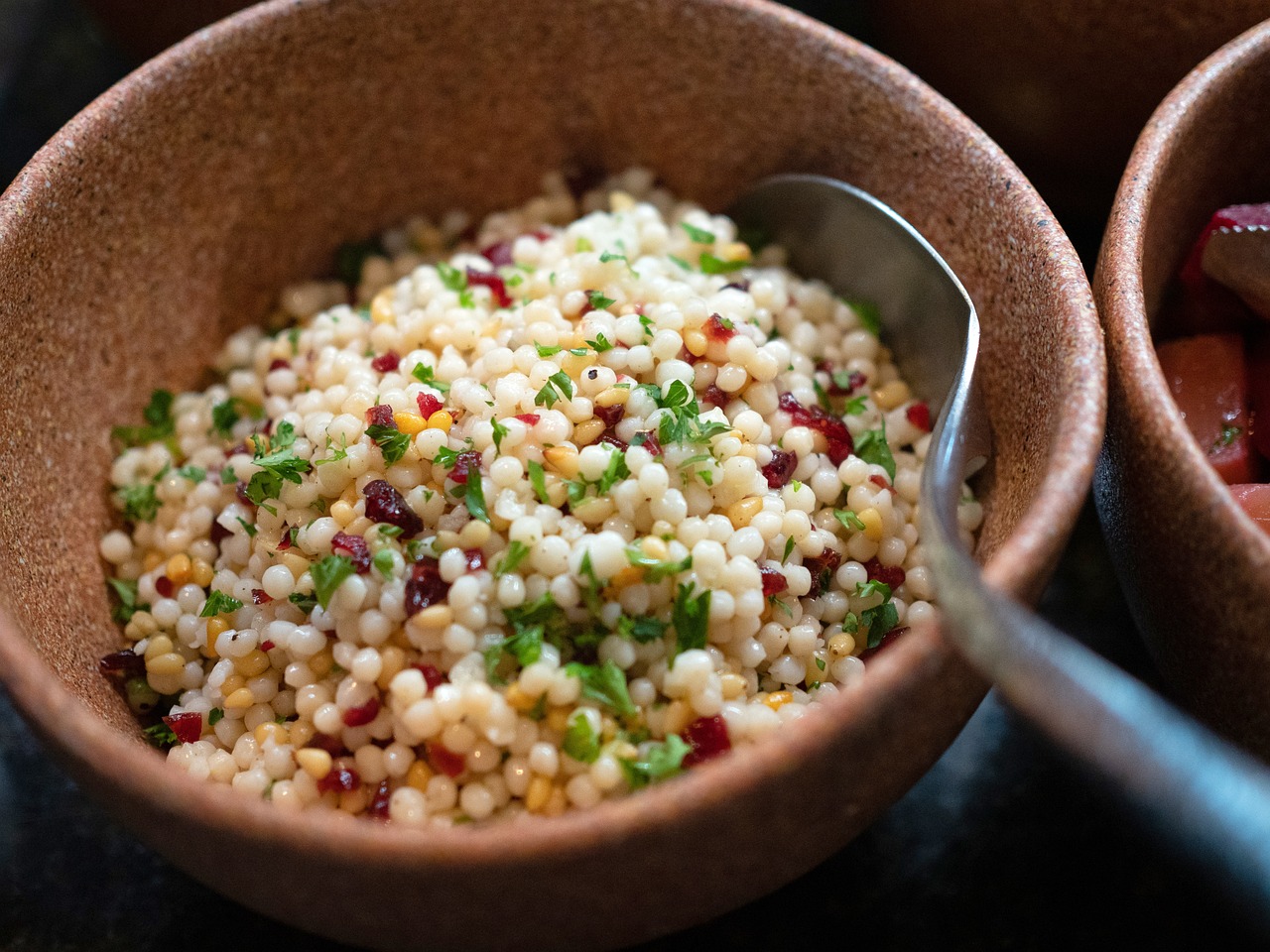
Serve the couscous mounded in a large communal dish with the vegetables arranged on top and the lamb pieces nestled in the centre. Ladle the broth into a separate bowl for guests to pour over as they like. Scatter fresh coriander over the top. Harissa on the side is non-negotiable.
Conclusion
Couscous is the dish that says home like no other in Maghrebi culture. Once you make it from scratch, you will never go back to the instant version. Try this recipe this Friday and share your photos in the comments below!
You might also enjoy
Related Articles
- Uniting the Maghreb: A Couscous Feast Recipe
- Empowering the Amazigh Minorities in North Africa: A Guide for the Maghrebi Diaspora
- Uniting Divided Countries of the Maghreb: A Triumphant Couscous Celebration
- The Unifying Power of Couscous: Celebrating Maghreb Countries’ Common Tradition
- Unveiling Al-Maghreb in Underground Atlanta: A New Cultural Haven for the Maghrebi Diaspora