Savoring Eid Al-Fitr: A Sweet Journey Through Maghrebi Eid Cookies
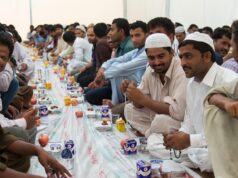
Eid Al-Fitr, the Islamic holiday marking the end of Ramadan, is a time for families and communities to come together and celebrate. One of the most cherished traditions associated with this joyous occasion is the sharing and exchanging of sweet treats, particularly Eid cookies. In the Maghreb region, these cookies hold a special place in our hearts and are an essential part of the Eid Al-Fitr experience.
As we gather around the table to break bread and share stories, the aroma of freshly baked cookies wafts through the air, transporting us back to childhood memories of helping our mothers and grandmothers prepare these sweet treats. The tradition of exchanging sweets during religious festivals can be traced as far back as ancient civilizations, with the Babylonians offering honey cakes during their New Year celebrations.
In Morocco, Khaymaria is a popular cookie made from semolina, sugar, and orange blossom water. These delicate cookies are often embellished with intricate designs using almonds or powdered sugar, making them an exquisite addition to any Eid celebration. The process of making Khaymaria involves slowly mixing the dough, allowing it to rest for hours before shaping and baking the cookies.
Algerian M’hencha is another traditional Eid cookie, characterized by its cylindrical shape and green color. Made from fresh, tender dough filled with argan-infused almond paste, these cookies are a testament to the region’s rich culinary heritage. The making of M’hencha involves carefully rolling out the dough, filling it with the flavorful almond paste, and then sealing it before baking.
The Magical Process of Making Eid Cookies
The making of Eid cookies is as much about tradition and family bonding as it is about savoring the final product. Across the Maghreb region, mothers, grandmothers, aunts, and daughters gather in the kitchen to prepare these delectable treats. The process often begins days before Eid, with the slow, methodical preparation of the dough and filling.
In Tunisia, Makroudh is a popular Eid cookie made from semolina dough filled with date paste. The making of Makroudh is a labor of love that involves rolling out thin sheets of dough, stuffing them with date paste, and sealing them before frying. This traditional cookie requires patience and precision, as the dough must be kneaded and rolled until it reaches the desired consistency.
The Tunisian dessert Chakchouka also makes an appearance during Eid Al-Fitr. Made from semolina, butter, and sugar, these delicate cookies are often flavored with rose water or orange blossom water. The process of making Chakchouka requires patience and precision, as the dough must be kneaded and rolled until it reaches the desired consistency.
The Art of Presenting Eid Cookies
Eid cookies are not just about taste but also about presentation. In many Maghrebi households, a special effort is made to create beautiful and intricate designs on Eid cookie platters. These patterns often incorporate symbols of happiness, abundance, and unity, further enhancing the festive atmosphere.
Moroccan cookies, for example, are often adorned with delicate, intricate patterns created using almonds or powdered sugar. In some households, these designs are passed down from generation to generation, creating a unique family tradition that adds to the joy of Eid Al-Fitr.
Sharing and Savoring Eid Cookies
Eid cookies are not only enjoyed by families but are also shared with friends, neighbors, and even strangers. The act of giving Eid cookies is seen as a way to spread joy and goodwill during this special time. This tradition fosters a sense of community and connectedness, reinforcing the spirit of unity that lies at the heart of Eid Al-Fitr.
As we share these sweet treats with others, we are reminded of the importance of generosity, kindness, and compassion. The simple act of breaking bread and sharing stories has the power to bring people together, creating lasting memories and strengthening bonds between loved ones.
Eid Cookies Beyond Eid Al-Fitr
While Eid cookies are most prominently associated with Eid Al-Fitr, they hold a special place in Maghrebi culture beyond the festive season. These cookies can be found at weddings, birthdays, and other celebratory occasions throughout the year.
In Morocco, Khaymaria is often served during tea time, providing a sweet treat to complement traditional mint tea or coffee. In Tunisia, Makroudh is enjoyed as a dessert after meals, especially during the holy month of Ramadan.
Eid cookies also have therapeutic properties. For instance, the sesame seeds used in some Moroccan Eid cookies are believed to help lower blood pressure and improve heart health, while the almonds in Algerian M’hencha are rich in nutrients that promote overall well-being.
Preserving the Tradition of Eid Cookies
As the Maghrebi diaspora continues to grow, it is essential that we preserve the tradition of Eid cookies and share their rich history with future generations. By learning about the unique flavors, styles, and techniques associated with each country in the Maghreb region, we can ensure that these delectable treats remain a cherished part of our cultural identity.
Join us in celebrating Eid Al-Fitr by savoring the sweetness of Maghrebi Eid cookies. Share your own family recipes, memories, and traditions with others in our community as we come together to honor this beautiful tradition that transcends borders and unites us all.
You might also enjoy
Related Articles
- Celebrating Maghrebi Traditions: A Prominent Chef’s Eid al-Fitr Cookies Recipe
- A Game-Changing Recipe for Maghrebi-Style Chicken Skewers with Lemony Couscous for Your Next Gathering
- Celebrating Moroccan Culture in Athens: A Spectacular Cultural Week for the Maghrebi Diaspora
- Algerian Brick Recipe for Eid al-Fitr Celebration
- Navigating the North African Diaspora: The Evolution of Maghrebi Emigrant Culture