A Taste of North Africa: A One-Pot Chickpea Soup Recipe Perfect for Eid al-Fitr
Introduction
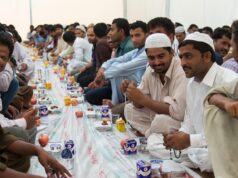
As the holy month of Ramadan comes to a close, we celebrate Eid al-Fitr – a time of unity, gratitude, and togetherness. As families and friends gather around the table, it’s only fitting that our culinary traditions are as warm and inviting as the love and laughter shared during this special occasion. To honor this joyous celebration, let’s embark on a culinary adventure that embodies the rich flavors and traditions of North Africa: a one-pot chickpea soup recipe that will warm your heart and nourish your soul.
This delectable dish, known as ‘Harira,’ is a staple during Ramadan across Maghrebi countries. In Morocco, it’s often served as the nightly Iftar meal – a perfect way to break the fast with family and friends. Imagine gathering around the table, surrounded by the aromas of sautéed onions and garlic, the tanginess of tomatoes, and the comforting warmth of chickpeas and lentils. It’s a dish that not only satisfies our taste buds but also brings people together in a celebration of love, generosity, and community.
The Origins of Harira
Historical Roots
Harira’s history can be traced back to the 10th century when it was first prepared by Sufi mystics as a form of fast-breaking meal during Ramadan. The name ‘Harira’ comes from the Arabic word ‘harir,’ meaning ‘clear broth.’ Over time, it evolved into the hearty soup we know today, with its rich flavors and comforting warmth.
Cultural Significance
Harira is not only a delicious dish but also holds immense cultural significance in Maghrebi countries. Its consumption during Ramadan serves as a reminder of the communal spirit and the importance of generosity, charity, and compassion. In Morocco, for example, Harira is often served with traditional Moroccan pastries and breads, adding to its cultural significance.
Regional Variations
Though the foundation of Harira remains the same – chickpeas, lentils, and tomatoes in a flavorful broth – there are slight variations in the preparation across North Africa. Each region adds unique ingredients to customize the soup according to local tastes and traditions. In Morocco, for instance, you’ll find that many recipes include the addition of preserved lemons, while in Tunisia, the soup is often thickened with a roux made from flour and butter.
Preparing Your One-Pot Chickpea Soup
The Ingredients
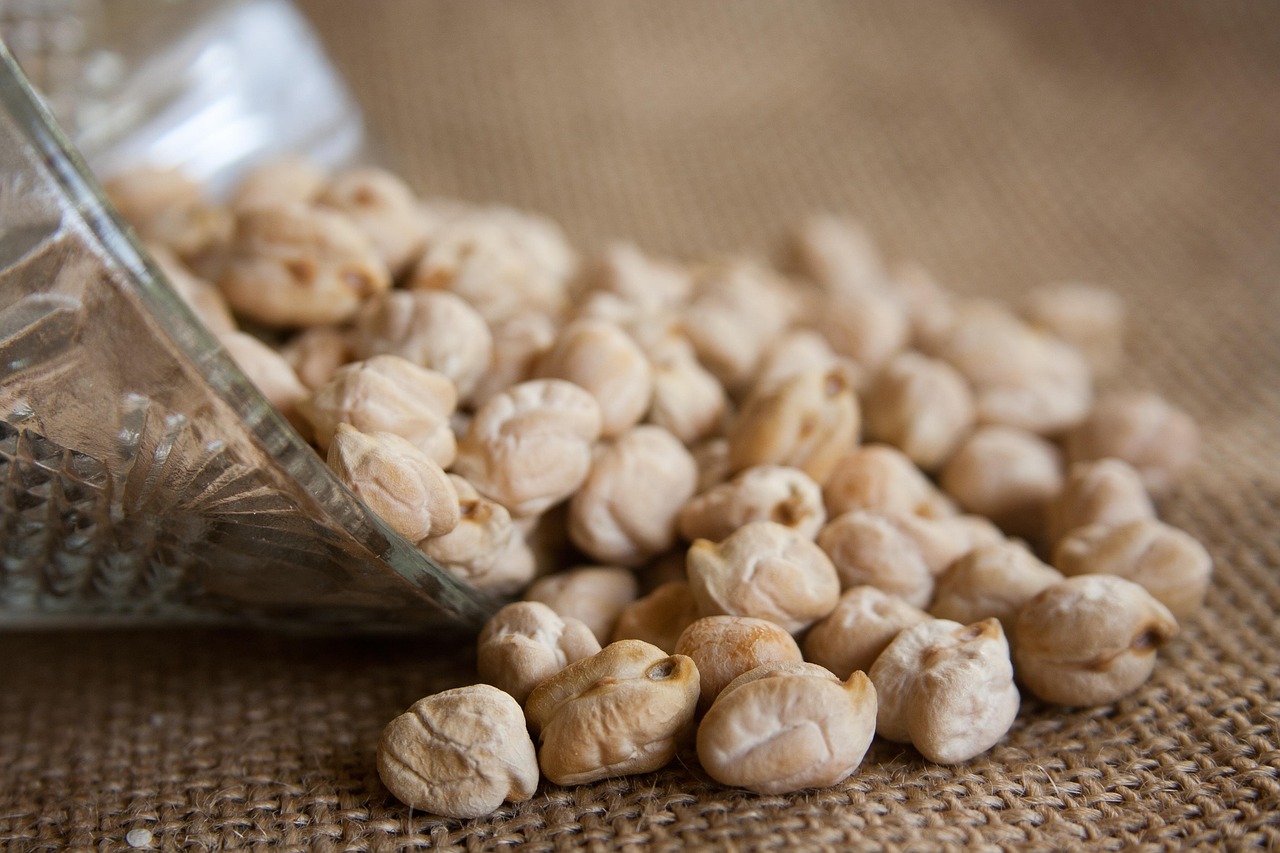
- 1 cup chickpeas (soaked overnight)
- 1/2 cup lentils
- 2 large onions, finely chopped (about 4 cups)
- 4 garlic cloves, minced (about 2 tablespoons)
- 3 ripe tomatoes, diced (about 2 cups)
- 1 tablespoon olive oil
- 2 teaspoons cumin
- 1 teaspoon coriander
- 1/2 teaspoon paprika
- 1/2 teaspoon turmeric
- 6 cups vegetable broth or water
- 2 carrots, peeled and diced (about 1 cup)
- 2 celery stalks, diced (about 1 cup)
- 2 potatoes, peeled and diced (optional, about 1 cup)
- Salt and pepper to taste
- Chopped fresh cilantro for garnish (about 1/4 cup)
- Harissa paste (optional, about 2-3 tablespoons)
The Instructions
1. In a large pot, heat the olive oil over medium heat. Add onions and garlic, stirring occasionally, until they’re softened and translucent – about 8-10 minutes.
2. Stir in cumin, coriander, paprika, and turmeric, allowing them to toast for about 30 seconds, releasing their aromatic flavors into the pot.
3. Add the diced tomatoes, carrots, celery (and potatoes, if using), chickpeas, lentils, vegetable broth or water, salt, and pepper. Bring to a boil, then reduce heat to low and simmer for about 30 minutes, or until the vegetables are tender and the flavors have melded together.
4. Taste and adjust seasonings as needed. If the soup needs a boost of flavor, add a dash of harissa paste (if using). Garnish with chopped cilantro and a drizzle of olive oil, if desired.
Harira’s Health Benefits
Harira is not only flavorful but also packed with essential nutrients, making it an ideal meal during the fasting month. Its main ingredients – chickpeas, lentils, and vegetables – offer a wealth of protein, fiber, vitamins, and minerals to support overall health. The fiber content helps regulate blood sugar levels, while the antioxidants in tomatoes and garlic promote heart health.
Bringing Harira to Your Eid al-Fitr Table
Harira’s warmth, aroma, and flavors make it an excellent addition to your Eid al-Fitr celebrations. Share this dish with loved ones as a testament to the rich cultural heritage of Maghrebi countries and the spirit of generosity that transcends borders. Whether you’re serving it as the main course or as a comforting side dish, Harira is sure to bring people together in a celebration of love, family, and community.
You might also enjoy
Related Articles
- Savoring a Traditional One-Pot North African Chickpea Soup: A Delicious Family Recipe from Home
- Authentic North African Chickpea Soup Recipe: A One-Pot Flavorful Delight
- Mastering the Art of Maghrebi Cuisine: A Guide to Chef Salam Dakkak’s Bandor Fry Recipe
- Journey through North Africa: Essential Guidelines for a Secure and Captivating Adventure
- Eid al-Fitr Cookies: Celebrating Tradition with Chef’s Signature Recipes