Here is the improved HTML article:
Title: Spiced Lamb Tagine with Prunes and Almonds: A Timeless Algerian Feast
Article:
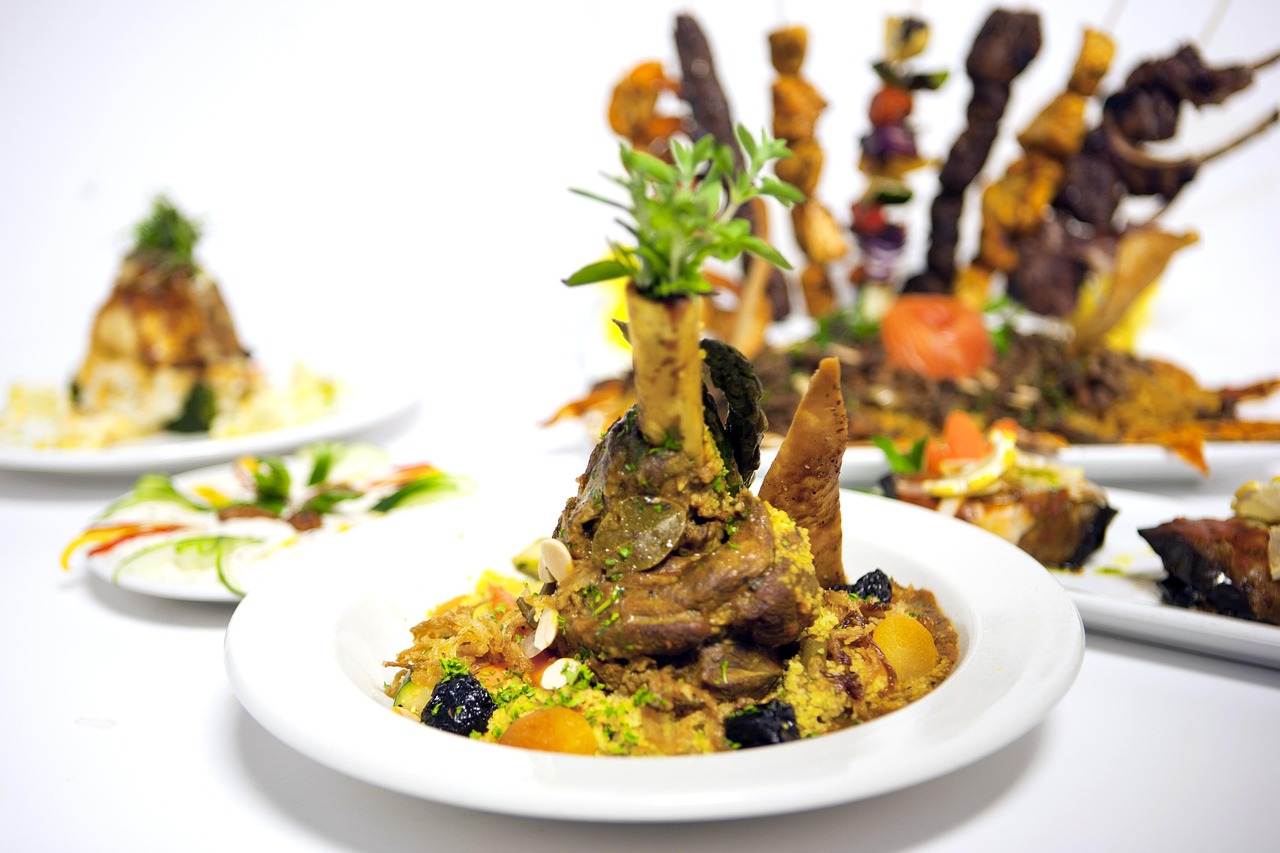
In every corner of the Maghreb, the aroma of lamb simmering in a rich, spiced stew wafts through homes and markets, evoking memories of family gatherings and cultural traditions. This dish is more than just a meal – it’s a testament to resilience, community, and the enduring allure of North African cuisine. In this recipe, we’re bringing you an Algerian classic: Spiced Lamb Tagine with Prunes and Almonds, a symphony of flavors that has fed families for generations.
History and Origins
Tagines, slow-cooked stews named after their iconic earthenware pots, are a hallmark of North African cooking. This version, with tender lamb, plump prunes, and crunchy almonds, is particularly popular in Algeria, where it’s often enjoyed during the winter months. The dish is deeply rooted in tradition yet remains surprisingly versatile, making it the perfect centerpiece for gatherings celebrating the rich tapestry of Maghrebi culture.
The origins of tagines date back to the Middle Ages, when Arab traders brought exotic spices and cooking techniques to the region. Over time, local cooks adapted these influences to create their own unique culinary traditions. Today, tagines remain a beloved staple in North African cuisine, with each country and region putting its own twist on this timeless dish.
Ingredients (serves 6)
- 1.5 kg boneless lamb shoulder, cut into large bite-sized pieces (you can also use bone-in lamb for added depth of flavor)
- 300 g pitted prunes
- 200 g skin-on almonds
- 3 medium onions, finely chopped (you’ll want to caramelize them slightly for a deeper flavor profile)
- 6 cloves garlic, minced (freshness is key here – don’t overdo it with the garlic, or your tagine might become overpowering)
- 1 large piece fresh ginger, peeled and grated (about 2 tablespoons) – feel free to adjust the amount based on your personal taste preferences
- 2 tsp cumin seeds
- 1 tsp coriander seeds
- ½ tsp ground turmeric
- ½ tsp cayenne pepper
- 2 tsp paprika
- 1 tsp black peppercorns, toasted for an extra layer of flavor (optional, but highly recommended)
- 1.5 liters beef broth or water
- 4 tbsp olive oil
- Salt to taste – remember that lamb can be quite salty, so don’t overdo it with the salt shaker
- 2 tbsp honey, a touch of sweetness to balance out the savory flavors
- Fresh cilantro and mint leaves, for garnish (don’t skip this step – the freshness of these herbs will elevate the dish to new heights)
Step-by-Step Instructions
Prep time: 30 minutes | Cook time: 2 hours 30 minutes | Difficulty: Medium (don’t worry, it’s well worth the effort – this recipe is a crowd-pleaser, and you can adjust the ingredients to suit your taste preferences)
- Toast the spices: Heat a dry, heavy pan over medium heat. Add cumin seeds, coriander seeds, and black peppercorns. Stir constantly for about 2 minutes, or until fragrant. Grind in a spice grinder or mortar and pestle – this step is crucial for releasing the full aroma of the spices.
- Brown the lamb: Heat olive oil in a large, heavy pot over medium-high heat. Season the lamb with salt. Brown on all sides, about 8 minutes total (don’t rush this step – you want that lamb to be nice and caramelized). Remove and set aside.
- Sauté aromatics: In the same pot, fry onions, garlic, and ginger until softened, about 5 minutes (keep an eye on them – they can burn easily).
- Add spices and lamb: Return lamb to the pot and stir in toasted spices, paprika, and cayenne pepper. Cook for 2 minutes, stirring frequently (the heat will help bring all those flavors together).
- Deglaze and simmer: Pour in beef broth or water. Add honey, salt, and prunes. Bring to a boil, then reduce heat to low. Simmer uncovered for 1 hour 30 minutes, or until lamb is tender (this step is crucial – you want that meat to fall-apart tender).
- Toast almonds: In a separate dry pan over medium-high heat, toast almonds until lightly browned, about 4 minutes. Remove from heat and roughly chop (don’t overdo it with the chopping – you want those almonds to still have some crunch).
- Finish the tagine: Stir in chopped almonds and cook for another 10 minutes (the heat will help distribute all that flavor evenly).
Tips for Success
The key to a flavorful lamb tagine lies in patience, good-quality ingredients, and a touch of sweetness from honey. For best results, use bone-in lamb if possible – the bones will add an extra layer of depth to the dish.
- Toast spices to release their full aroma (don’t skip this step – it makes all the difference)
- Brown the lamb well for depth of flavor (take your time with this step – you want that meat to be nice and caramelized)
- Adjust salt and pepper to taste – lamb can be quite salty, so don’t overdo it
- Add prunes early in cooking for a more pronounced flavor (don’t wait too long – the prunes will absorb all the flavors and become mushy)
- Finish with crunchy, toasted almonds (don’t skip this step – they add a delightful textural element to the dish)
Regional Variations
Tagines can vary widely by region. In Morocco, chicken or fish tagine with preserved lemons is common. Tunisian tagines often include olives and capers. Feel free to adapt this recipe based on your preferences or what’s available in your local market – the beauty of tagines lies in their versatility.
Serving and Presentation
Serve the lamb tagine over steamed couscous, rice, or even crusty bread (don’t be afraid to get creative with the serving method). Garnish with fresh cilantro and mint leaves for a pop of color. A dollop of yogurt on the side is an optional, refreshing accompaniment (feel free to add other toppings, like chopped nuts or dried fruits, to suit your taste preferences).
Conclusion
Tagines are a testament to the resilience and creativity of North African cuisine. With this recipe, you can bring the rich flavors and warmth of Algerian culture into your own home. Share your photos, memories, and variations in the comments below – we’d love to hear from you!
You might also enjoy
Related Articles
- A Spiced Lamb and Citrus Tagine Recipe Inspired by Moroccan Cuisine
- Sumac Spiced Chicken and Muhammara Recipes for Modern Maghrebi Cooking at Home
- Family Trips to North Africa: A Practical Guide for the Maghrebi Diaspora
- Bringing Home Cooking Flavors to Life: Sumac Spiced Chicken and Muhammara
- Travel Advisory for the Middle East North Africa (MENA) Region: Essential Tips for the Maghrebi Diaspora