Journeying Through Algeria: Invaluable Guidance for Fellow Maghrebi Travelers
As fellow travelers from the Maghreb, we share a unique connection to Algeria – the largest country in Africa and a land brimming with cultural, historical, and natural wonders. Preparing for your journey to this captivating destination can be an exciting yet daunting prospect. To help you navigate the landscape with ease and immerse yourself fully in the local experience, we have compiled essential travel tips tailored especially for Maghrebi travelers.
As you embark on this adventure, it’s essential to understand that Algeria is a country rich in history, culture, and natural beauty. From the ancient Berber settlements to the Roman ruins, each archaeological site offers a glimpse into the region’s complex past. The warmth of the Algerian people, their love for hospitality, and their passion for sharing stories will leave you feeling like part of the family.
1. Embracing Algerian Culture
Algeria is a vibrant tapestry of diverse cultures, each contributing to its rich heritage. Familiarizing yourself with the local customs and traditions will not only enhance your travel experience but also serve as a bridge between our shared roots.
One significant aspect of Algerian culture is the hospitality extended to guests, known as ‘Ait-Ammar.’ Be prepared for warm welcomes, endless cups of mint tea, and lively conversations with locals eager to share their stories. Another essential aspect is respecting religious customs, particularly during Ramadan when fasting is observed. This time-honored tradition requires a deeper understanding of the culture and its people.
Algeria is also home to a myriad of festivals celebrating music, art, and heritage. The International Festival of Oran and the Suf Festival in Tlemcen are notable examples showcasing the country’s rich cultural diversity. These events will give you a chance to immerse yourself in the local culture, dance under the stars, and savor the flavors of Algeria.
2. Navigating Algerian Cuisine
Algerian cuisine offers a mouthwatering fusion of Maghrebi, Arabic, Berber, and French influences. From hearty couscous dishes to succulent tagines, the culinary journey is one not to be missed.
Couscous is the national dish, typically served on Fridays during lunchtime with a variety of vegetables, meats, and spices. Be sure to try the ‘Chaakouk,’ a tangy vegetable stew that’s perfect for sharing with friends. This flavorful dish is an integral part of Algerian culture and will leave you craving more.
Don’t forget to sample Algeria’s famous pastries such as ‘Brik’ (filled with eggs, tuna, or meat) and ‘Khrouch’ (crispy pastry filled with honey and almonds). These sweet treats are a delightful way to cap off your meal and will satisfy your cravings for something sweet.
3. Discovering Algeria’s Historical Landmarks
Algeria boasts a wealth of historical sites that offer insights into its fascinating past. From Roman ruins to ancient Berber settlements, there’s something for everyone.
Djémila, a UNESCO World Heritage site, showcases well-preserved Roman architecture including temples, basilicas, and a beautiful amphitheater. Timgad, another Roman city, is a must-visit with its impressive city walls and grand boulevards.
The ancient Berber city of Tassili n’Ajjer, located in the Sahara Desert, offers breathtaking rock art dating back over 10,000 years. This UNESCO World Heritage site is a testament to the rich cultural history of the region.
4. Exploring Algeria’s Natural Wonders
Algeria’s diverse landscapes offer stunning natural wonders that will leave you awestruck.
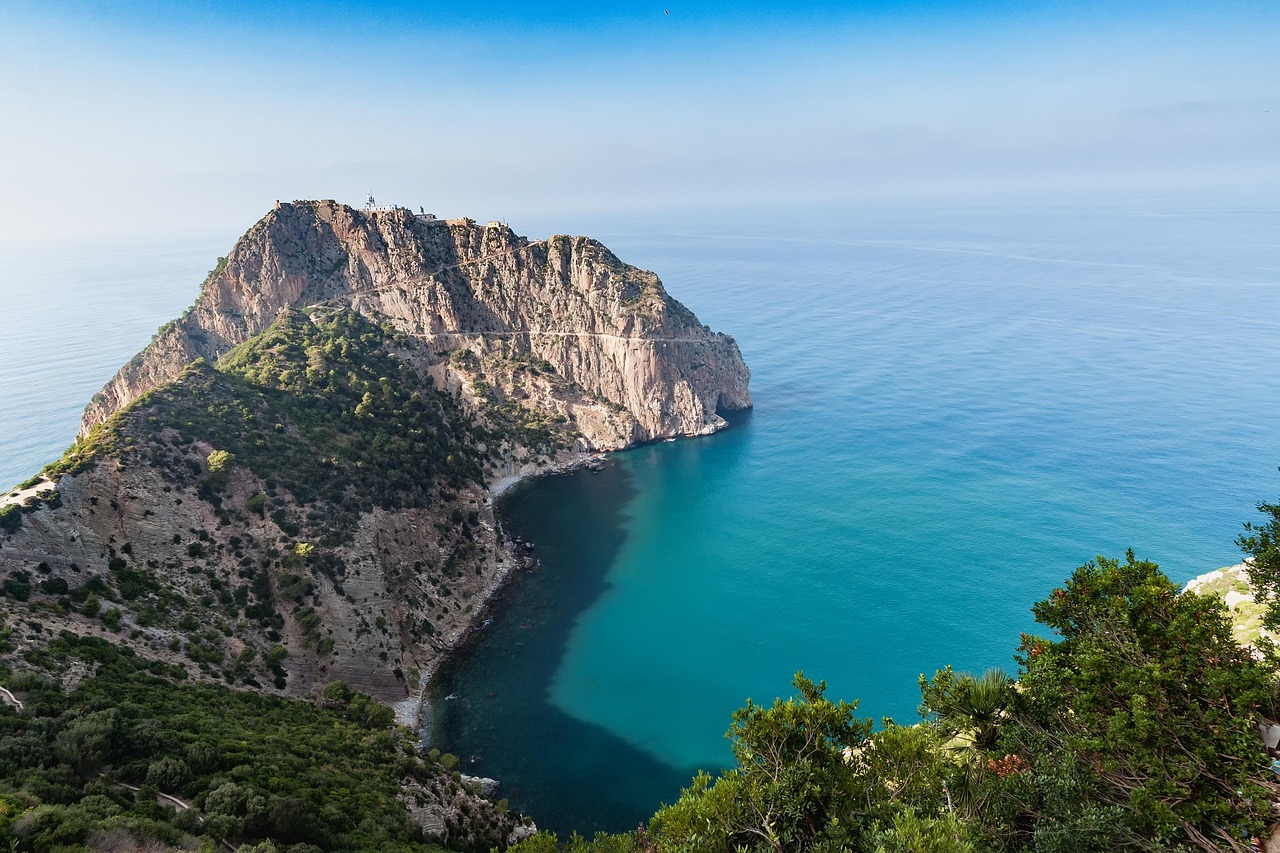
The Tassili n’Ajjer National Park, home to the ancient rock art mentioned earlier, also features vast sand dunes, deep canyons, and dramatic mountains. For a more coastal experience, head to the picturesque city of Tipaza with its beautiful Roman ruins nestled among palm trees.
The Chréa National Park, near Algiers, is perfect for hiking and picnicking amidst lush greenery, cascading waterfalls, and scenic mountain views.
5. Practical Travel Tips
- Currency: The official currency of Algeria is the Algerian Dinar (DZD). Exchange rates can be found at local banks or online.
- Visas: Check the latest visa requirements for Algeria as they may vary depending on your nationality. Information can be obtained from the Algerian embassy in your country of residence.
- Travel Insurance: It is essential to have comprehensive travel insurance that covers medical expenses, trip cancellations, and lost luggage.
Conclusion: Embark on Your Algerian Adventure with Confidence
Algeria’s enchanting blend of history, culture, and natural beauty makes it an unmissable destination for fellow Maghrebi travelers. By embracing local customs, savoring the delicious cuisine, exploring historical landmarks, and appreciating the breathtaking landscapes, you will return home with memories to last a lifetime.
We encourage you to embark on this adventure with confidence, knowing that you are part of a shared journey through time and space – connecting our Maghrebi roots while creating new stories to be cherished for generations to come.
You might also enjoy
Related Articles
- Summer Holidays 2026: A Travel Guide for Maghrebi Diaspora – Algeria, Morocco, Tunisia
- Maximizing Your Travel to the Middle East & North Africa with Miles: A Comprehensive Guide for the Maghrebi Diaspora
- DIY Henna Party Guide for Maghrebi Weddings in the Diaspora
- Uncovering Affordable Marrakech Riads for Your Next Getaway: A Comprehensive Guide for Maghrebi Diaspora Readers
- Travel Advisory for the Middle East North Africa (MENA) Region: Essential Tips for the Maghrebi Diaspora