Eid Cookies: A Sweet Tradition in Egyptian Homes for Eid Al-Fitr
Welcome to this sweet celebration! Today, we’re diving into the delightful tradition of Eid cookies – a cherished custom that brings Egyptians and their Arab neighbors together during the joyous occasion of Eid Al-Fitr. In many Egyptian homes, baking these treats is an integral part of the celebration, filled with love, unity, and giving.
The Significance of Eid Cookies
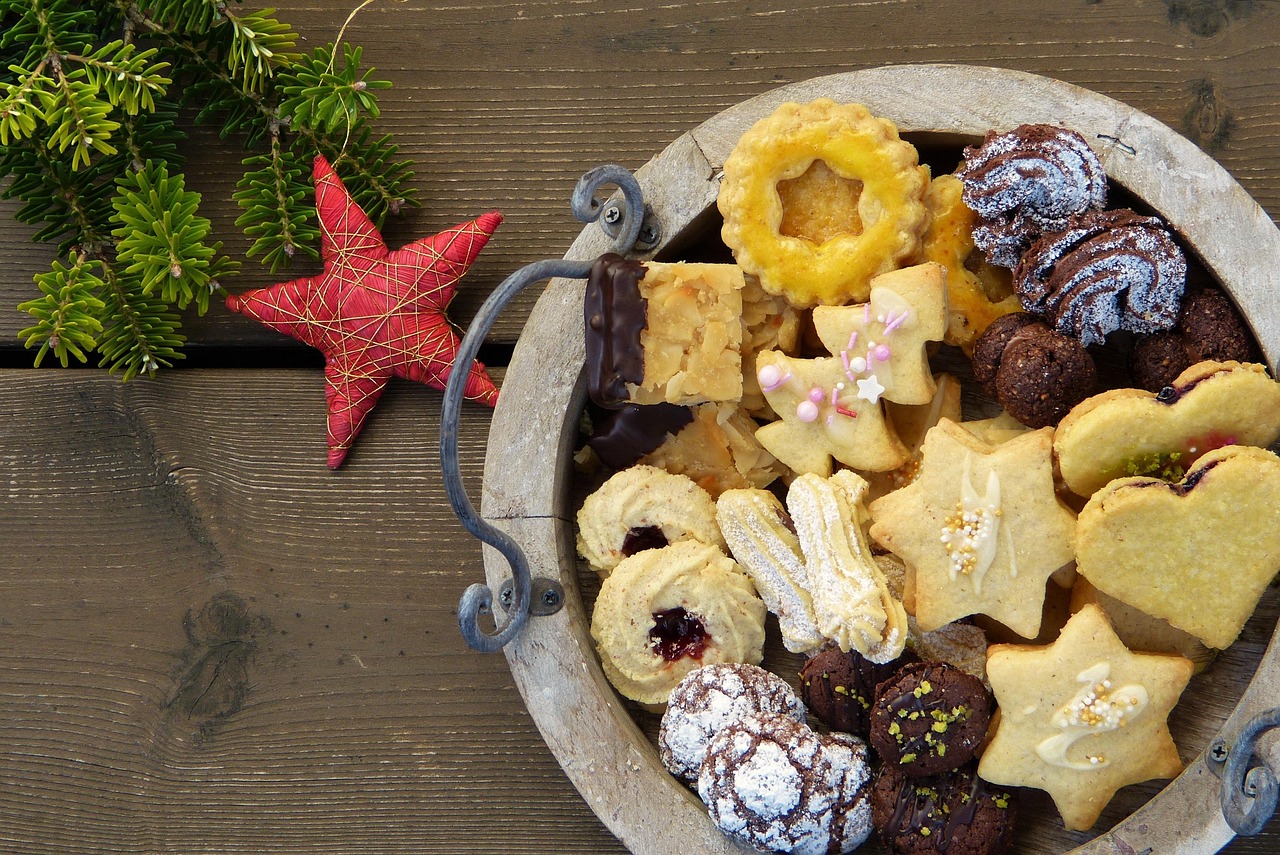
Eid cookies are more than just a tasty indulgence; they embody the essence of togetherness, kindness, and generosity. As families gather to bake these sweet treats, they’re not only creating mouthwatering goodies but also strengthening bonds and passing down cultural traditions from one generation to the next.
Imagine the aroma of freshly baked Eid cookies wafting through your home, transporting you back to a time when life was simpler. For many Egyptians, baking these cookies is a cherished family ritual that transcends generations and cultures. It’s an opportunity to connect with loved ones, share stories, and create lasting memories.
Varieties of Eid Cookies
Kahk: A Sweet Pastry
One of the most beloved types of Eid cookies in Egypt is Kahk – a buttery pastry filled with an assortment of nuts, dates, and spices. The dough for Kahk typically consists of semolina, sugar, rosewater, and unsalted butter, which is then carefully shaped into intricate designs using special molds.
Kahk is often flavored with cardamom or orange blossom water, adding a unique twist to this traditional treat. With its delicate texture and subtle sweetness, Kahk is the perfect accompaniment to your Eid celebrations.
Ma’moul: A Nutty Delight
Another classic Egyptian cookie is Ma’moul – small, round treats filled with nuts or dates. Unlike Kahk, Ma’moul has a slightly different dough composition, featuring fine wheat flour, sugar, and clarified butter.
Ma’moul are typically molded into tiny cups, which are then filled with the sweet filling before being sealed and baked to perfection. Some families like to get creative by decorating their Ma’moul with intricate designs using icing or edible gold leaf – a beautiful touch that adds an extra layer of joy to this special treat.
Basbousa: A Semolina Cake
While not technically a cookie, Basbousa is another beloved dessert enjoyed during Eid Al-Fitr. This semolina cake is soaked in sweet syrup, often flavored with rosewater or orange blossom water – a refreshing change of pace from the rich, buttery flavors of Kahk and Ma’moul.
Basbousa is typically served warm, drizzled with honey or sugar syrup for an added touch of sweetness. Its moist texture and subtle flavors make it an excellent choice for those who prefer a lighter dessert option during Eid celebrations.
The Process of Making Eid Cookies
Making Eid cookies is an art form that requires patience, precision, and love. The process begins with kneading the dough until it reaches the perfect consistency – a task that can be quite meditative!
Once the dough is ready, it’s shaped into various forms using molds or hand-rolled into small balls or flattened discs. The filled cookies are then baked in the oven, releasing an enticing aroma that fills the house with warmth and sweetness.
Sharing Eid Cookies
Eid cookies aren’t just for family consumption; they’re also shared with neighbors, friends, and even strangers – a beautiful reflection of the Islamic principles of generosity and compassion.
This tradition is often seen in families packing beautiful boxes filled with Eid cookies, which are then delivered door-to-door or distributed at local mosques. The joy of receiving these sweet treats is a small but significant gesture that strengthens bonds within communities.
Eid Cookies: A Sweet Connection to Egypt
Eid cookies aren’t just delicious; they’re an essential part of Egyptian culture and tradition. By learning about this sweet custom, we can better understand the values and beliefs that unite people during Eid Al-Fitr – a time when love, kindness, and generosity are celebrated in all their forms.
If you have the chance to try Eid cookies, don’t hesitate! They offer a taste of Egypt’s rich culinary heritage and a glimpse into the warm spirit of its people. And who knows? You might just find yourself feeling more connected to this beautiful culture.
Call to Action
We hope you enjoyed learning about Eid cookies and their significance in Egyptian culture. If you have any questions or would like to share your own experiences with Eid cookies, please leave a comment below! We’d love to hear from you!
You might also enjoy
Related Articles
- Celebrating Eid al-Fitr with Traditional Egyptian Cookies: A Taste of Home for Maghrebi Diaspora
- Sweet Delights of West Scranton Food Festival: Baklava and Kanafeh
- Celebrating Eid Al-Fitr: A Guide to Traditional Tunisian Recipes – Yabrak and Preserved Lemons
- Celebrating North African Culture: An Art History Festival in Fontainebleau – A Must-Attend Event for Maghrebi Diaspora Readers
- Reviving a Passover Tradition: The Yabrak Recipe among Tunisian Immigrants in Marseille