Unraveling the Enduring Legacy of Al-Andalus in Modern North African Art and Culture
Welcome to this journey through time, as we delve into the profound impact that Al-Andalus – the Islamic kingdom in Iberia from 711 to 1492 – has had on modern North African art and culture. Spanning over seven centuries, the civilization left behind a rich tapestry of artistic and cultural influences that continue to shape our region today. From the vibrant souks of Marrakech to the bustling streets of Tunis, the legacy of Al-Andalus is an integral part of our collective identity.
The Roots of Al-Andalus: A Blossoming of Art and Culture
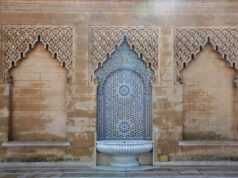
At its zenith, Al-Andalus encompassed a vast array of artistic and intellectual achievements. From the resplendent Alhambra to the profound works of poets like Ibn Zaydun, the influence of this remarkable civilization cannot be overstated. The Moorish architectural style that emerged during this period remains an iconic symbol of both Andalusia and North Africa – a testament to the region’s cultural heritage.
One of the most striking aspects of Al-Andalus was its synthesis of various cultural traditions. Jewish, Christian, and Muslim artists worked together to create a unique style that melded Eastern and Western artistic influences. This fusion resulted in the birth of a distinct art form that blended the ornate with the elegant. The intricate geometric patterns, calligraphy, and ceramics produced during this period continue to inspire contemporary artists.
Moreover, Al-Andalus became a beacon for scholarship and scientific advancement. The great libraries of Cordoba and Seville housed numerous works on subjects ranging from astronomy to literature. The translation movement, or ‘Ta’rikh al-Ikhbār fī Funūn al-Andalus,’ saw countless texts on medicine, philosophy, mathematics, and more being translated from Greek, Latin, and other languages into Arabic – a crucial step in the dissemination of knowledge across the Mediterranean and beyond. This thirst for knowledge had a profound impact on the development of art, science, and literature throughout the region.
The Legacy of Al-Andalus in Modern Art
As we journey through time, the legacy of Al-Andalus can still be seen in the vibrant art scene of modern North Africa. From Morocco to Tunisia, artists continue to draw inspiration from the rich artistic heritage left behind by their Andalusian ancestors. The geometric patterns that adorned the walls of ancient mosques and palaces have evolved into intricate textiles, ceramics, and mosaics.
One example is the use of calligraphy in contemporary North African art. The stunning kufic script that adorned the walls of Al-Andalus mosques continues to inspire contemporary calligraphers, who use it to create breathtaking works that blend tradition with innovation. This reverence for the written word reflects a deep appreciation for the cultural heritage of our region.
Another manifestation of this legacy is the prevalence of geometric patterns in modern North African art. These intricate designs, reminiscent of those found in Al-Andalus, can be seen in everything from textiles to mosaics. This enduring fascination with pattern reflects a deep appreciation for the beauty and precision that characterized Andalusian craftsmanship.
The Influence of Al-Andalus on Music
Music is another area in which the influence of Al-Andalus is keenly felt. The gnawa music of Morocco, for instance, bears a striking resemblance to the Andalusian muwashshahat – a form of poetry set to music.
Both gnawa and muwashshahat share a common structure: verses in Arabic followed by verses in another language, often Berber or Spanish. This bilingualism reflects the multicultural nature of Al-Andalus, where different linguistic and musical traditions coexisted harmoniously.
The use of instruments such as the gimbri (a three-stringed lute) in gnawa music can be traced back to the rebec – a medieval Spanish instrument that was brought to North Africa during the Almohad conquest. This cross-cultural exchange not only reflects the region’s rich musical heritage but also its ability to adapt and evolve.
Al-Andalus and Literature
The literary legacy of Al-Andalus is equally profound. From the works of Ibn Hazm to those of Ibn Battuta, Andalusian literature has left an indelible mark on North African literature.
One example can be found in the genre of maghrebi noir – a style of crime fiction that emerged in post-independence Algeria. This genre often deals with themes of identity, exile, and the struggle for liberation, reflecting the complex legacy of colonialism and its aftermath.
The use of oral storytelling – or ‘al-qasida’ – in North African literature can be traced back to the Andalusian tradition. The intricate narratives and poetic language employed by storytellers today bear a striking resemblance to those used by their Al-Andalusian predecessors.
A Call to Embrace Our Shared Legacy
As we reflect on the enduring legacy of Al-Andalus, let us remember that our shared history is a source of strength and pride. By embracing our roots, we can better understand ourselves and the world around us.
Let us also recognize that this legacy is not merely a relic of the past but a living, breathing force that continues to shape our art, culture, and identity. In doing so, let us be inspired to create our own works – whether in music, literature, or art – that will leave a lasting impact on generations to come.
You might also enjoy
Related Articles
- Echoes of Al-Andalus: The Enduring Legacy in North African Culture
- Reviving Al-Andalus Cultural Heritage in North Africa: A Call to Action for the Maghrebi Diaspora
- Unveiling the Judeo-Amazigh Cultural Heritage in North Africa: A Tribute to Our Rich Past
- Ibn Khaldun’s Journey through the Maghreb and Al-Andalus: A Historical Exploration
- Understanding Ebola’s Impact on North Africa: Prevention and Safety Measures