Henna Tattoos: A Traditional Art Form for Maghreb Weddings
Welcome to our blog! Today, we’re diving into the rich and vibrant world of henna tattoos, a traditional art form deeply rooted in Maghrebi culture. This article aims to celebrate the beauty and significance of this age-old practice while also providing insights for our diaspora readers who are looking to connect with their cultural heritage.
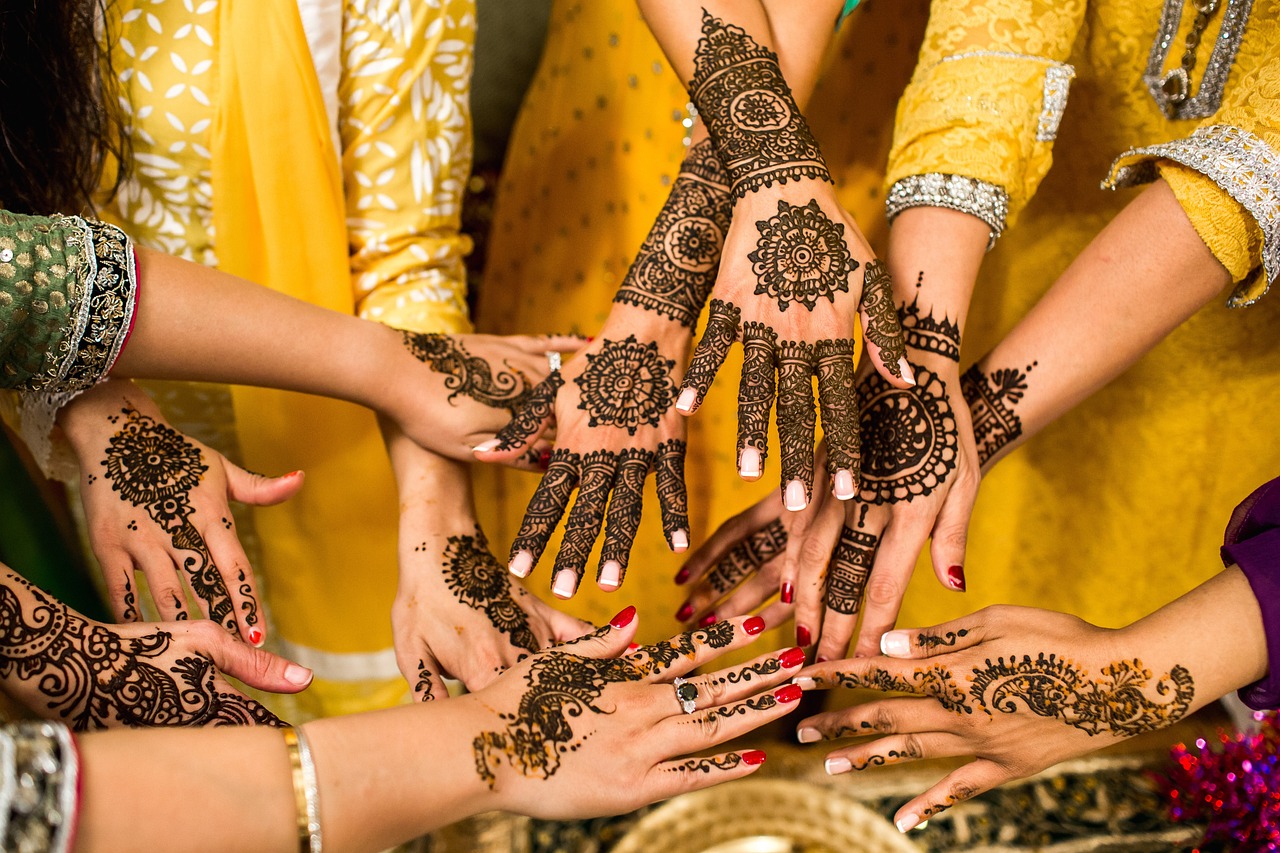
Henna tattoos have been an essential part of wedding ceremonies across the Maghreb region for centuries, symbolizing happiness, fertility, and protection. As members of the Maghrebi diaspora, we understand the importance of preserving our cultural heritage while navigating new environments. In Morocco, henna tattooing (known as ‘Henna Kif’) is traditionally performed during the Henna Party, which takes place a few days before the wedding. The bride’s hands and feet are adorned with intricate patterns made from a paste derived from the crushed leaves of the Lawsonia inermis plant.
In Algeria, henna tattoos (known as ‘Tatouage de Henna’) are also an essential part of the wedding ceremony. The bride’s palms and soles are adorned with beautiful patterns before the wedding, and sometimes even the groom receives a small tattoo on his hand. In Tunisia, henna is used to decorate the bride’s hair, symbolizing her beauty and elegance.
The Origins of Henna Tattoos
Henna tattoos have a long and fascinating history dating back to ancient Egypt, where they were used for both decorative and medicinal purposes. The practice eventually spread to the Maghreb region, where it became an integral part of wedding customs.
The art of henna tattooing has been passed down through generations in the Maghreb region. In Morocco, the most skilled henna artists are often women who have learned the craft from their mothers and grandmothers. These artists use their expertise to create intricate designs that are both beautiful and meaningful.
The Artistic Process
Creating a henna tattoo is an intricate and skillful process. The artist begins by mixing the powdered henna leaves with lemon juice, essential oils, sugar, and water to create a smooth paste. This mixture is then applied to the skin using a cone-shaped applicator or a delicate brush.
The designs themselves are a testament to the artistic prowess of henna artists. Intricate patterns inspired by nature, geometry, and Islamic art are carefully traced onto the skin, resulting in stunning works of art that not only serve as beautiful decoration but also convey cultural significance.
Once applied, the paste is left to dry for several hours before being scraped off, revealing a temporary stain on the skin. As the stain fades over time, it leaves behind memories of the special occasion and the artist’s skillful handiwork. The color and design of the tattoo can vary depending on the region, with some designs featuring bold black lines while others showcase intricate red patterns.
The Symbolic Meaning
Henna tattoos are steeped in symbolism, each element of the design carrying a unique meaning. For example, intricate geometric patterns represent protection, while floral designs symbolize fertility and growth. In Morocco, henna is believed to have healing properties, with some brides applying it to their skin before the wedding to ensure good luck and happiness.
The act of applying henna is also imbued with significance. The bride’s hands and feet are bathed in rosewater before the application, representing purification and preparation for her new life as a married woman. In some cultures, henna is believed to ward off evil spirits and bring good fortune to the couple.
Modern Adaptations
As the Maghrebi diaspora continues to grow, so too does the adaptation of traditional henna tattoos. Some artists have started incorporating modern elements into their designs, creating a unique blend of ancient and contemporary styles.
In addition, henna tattoos have gained popularity outside of the Maghreb region, with many people seeking out this beautiful art form for its cultural significance and aesthetic appeal. This growth in popularity has led to the creation of new designs and techniques, allowing henna artists to experiment and innovate while still honoring their cultural heritage.
- Tips for Finding an Authentic Henna Artist:
- Look for artists who specialize in traditional Maghrebi henna designs.
- Research the artist’s background and experience.
- Ask for references or testimonials from previous clients.
Preserving Cultural Heritage
As members of the Maghrebi diaspora, it is essential that we continue to preserve and celebrate our cultural heritage. Henna tattoos are an integral part of this legacy, serving as a beautiful connection to our roots while adapting to new environments.
Whether you choose to wear a henna tattoo for a special occasion or simply appreciate the art form from afar, we hope that this article has provided you with a deeper understanding and appreciation for this traditional Maghrebi practice. By preserving and sharing our cultural heritage, we can ensure that future generations continue to benefit from the beauty and significance of henna tattoos.
You might also enjoy
Related Articles
- Exploring Amazigh Culture in Morocco: A Comprehensive Guide for Maghrebi Diaspora
- Art History Festival 2026: Fashion and Morocco – A 300-Event Guide for Algerian, Tunisian & Moroccan Diaspora in Fontainebleau
- Unveiling Moroccan Art History and Culture: A Journey for Maghrebi Diaspora
- Exploring Europe and North Africa with Holland America Cruises: A Comprehensive Guide for Maghrebi Diaspora Readers
- Exploring Sara Sadik’s ‘Beurcore’ Culture in Her Latest Work: A Connection for the Maghrebi Diaspora