Preserving Culinary Heritage: A Deep Dive into Malek Labidi’s South Tunisia Archives
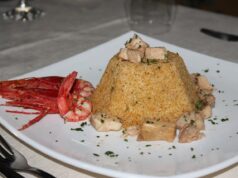
The rich and vibrant culinary landscape of Tunisia, a blend of Berber, Arab, Ottoman, and French influences, is a treasure trove for food enthusiasts worldwide. Among those working tirelessly to preserve this heritage, Malek Labidi stands out as a beacon. His South Tunisia Archives, an exhaustive collection of traditional recipes, cooking techniques, and culinary folklore from the region, serves as a testament to his dedication.
Labidi’s journey began in the bustling souks of Douz, where he honed his skills under the tutelage of local cooks. He spent countless hours observing and learning from these masters of the kitchen, absorbing their techniques and secrets like a sponge. His travels throughout South Tunisia further expanded his knowledge, allowing him to capture a diverse array of recipes and cooking methods. From the tender threads of lamb tagine to the bold flavors of merguez sausage, Labidi’s archives contain a wealth of culinary treasures waiting to be discovered.
Today, Labidi is regarded as an authority on the cuisine of his region, having authored multiple books and regularly contributing to food publications worldwide. His dedication to preserving Tunisia’s culinary heritage has earned him recognition and respect from fellow chefs, food writers, and cultural preservationists alike.
The Significance of South Tunisia’s Culinary Heritage
South Tunisia’s culinary heritage is a reflection of its diverse cultural history. From the nomadic Berbers and their simple, yet flavorful dishes to the opulent Ottoman-era cuisine, the region offers a fascinating gastronomical journey. The unique blend of African, Arab, and Mediterranean influences has resulted in a distinctive culinary identity that is quintessentially Tunisian.
Moreover, many traditional recipes from South Tunisia are at risk of being lost due to modernization and globalization. By documenting these culinary treasures, Labidi ensures that future generations can reconnect with their roots through food. The preservation of this heritage is also essential for sustaining the region’s local economy. Tourism plays a significant role in South Tunisia’s development, and offering authentic culinary experiences is a valuable asset in attracting visitors.
The archives contain stories of traditional cooking methods passed down from generation to generation. Recipes like makroud, a sweet and savory pastry filled with dates and nuts, or shakshuka, a spicy egg dish cooked in a cast-iron skillet, are just a few examples of the rich culinary heritage being preserved.
Exploring Malek Labidi’s Archives
Labidi’s archives contain thousands of recipes, each meticulously documented with its origin, preparation method, and historical context. Some standout dishes include:
- Couscous de Djerba: A unique version of couscous that includes seven types of vegetables and is often served during celebrations.
- Makloubeh: A layered dish made with rice, meat, chickpeas, fried potatoes, and various spices, traditionally cooked in a large, shallow pot called a maghshata.
- Harissa: A hot chili paste that is an essential ingredient in many Tunisian dishes. Labidi’s archives document the various regional variations of this versatile condiment.
- Zlabia: Sweet, deep-fried doughnuts drizzled with honey and sprinkled with sesame seeds – a classic treat from South Tunisia.
- Merguez sausage: A spicy, flavorful sausage made with lamb or beef, onions, garlic, and various spices, often served with couscous and vegetables.
Labidi’s Impact on the Maghrebi Diaspora
Malek Labidi’s work has had a profound impact on the Maghrebi diaspora. His books and articles offer a connection to their roots for those living abroad, providing recipes and stories that evoke memories of home. For many Tunisians living outside of their homeland, Labidi’s archives serve as a tangible link to their cultural heritage.
Moreover, his efforts to preserve Tunisia’s culinary heritage serve as an inspiration for others to do the same in their own communities. His dedication is a testament to the power of food and culture to bring people together, transcending borders and generations.
Call to Action
We invite you to explore Malek Labidi’s South Tunisia Archives and reconnect with your roots. By supporting his work, you help ensure that the culinary heritage of our homeland is preserved for future generations.
Join us in celebrating and sharing this rich cultural legacy. Together, we can keep the flame of tradition alive, honoring the past while embracing innovation and progress.
You might also enjoy
Related Articles
- Exploring the Maghreb’s Unique Culinary Heritage: A Deep Dive into Malek Labidi’s Archives
- Preserving the Culinary Heritage of South Tunisia through Malek Labidi’s Archive: A Treasure Trove for Maghrebi Diaspora
- Unveiling the Rich Cultural Heritage of South Tunisia Through Malek Labidi’s Archives
- Celebrating South Tunisia’s Culinary Heritage with Malek Labidi
- Reviving South Tunisia’s Culinary Heritage with Malek Labidi: A Call to Action for Maghrebi Diaspora