Yennayer 2026: Discovering Traditional Amazigh Delicacies for the Berber New Year
As we approach Yennayer 2026, the Berber New Year, it’s a perfect time to celebrate and honor our rich Amazigh heritage. This ancient culture has been preserved through generations of traditions, customs, and delicious cuisine. One of the best ways to do this is by indulging in traditional Amazigh delicacies that have been passed down through generations. In this article, we’ll explore some of the most delicious and authentic dishes you can try to make your Yennayer celebration truly unforgettable.
Tajine: The Star Dish of Berber Cuisine
Tajine is a traditional North African slow-cooked stew that’s named after the earthenware pot in which it’s cooked. This dish is a staple at any Amazigh feast and comes in countless variations. From chicken with preserved lemons to lamb with prunes, or even vegetables with olives, the possibilities are endless. The key to making an authentic tajine lies in the slow cooking process, which allows the flavors to meld together and creates a rich, succulent dish that’s full of depth.
When it comes to serving your tajine, freshly baked khobz (traditional Moroccan bread) is the perfect accompaniment. Simply tear off a piece of bread and dip it into the flavorful stew for an unforgettable experience. Pro tip: Don’t forget to garnish your tajine with fresh herbs like cilantro or parsley to give it an extra kick of flavor.
Msemen: The Flaky, Delicious Pastry
Msemen is a popular North African flatbread that’s crispy on the outside and soft on the inside. It’s often served as a breakfast dish or as an accompaniment to soups and stews. While making msemen can be a bit time-consuming, it’s well worth the effort. Start by mixing semolina flour with water, yeast, salt, and oil until you have a smooth dough.
Roll out the dough into thin sheets, fold them over several times, and cook on a hot griddle for a crispy msemen. Serve your msemen with honey, jam, or butter for a delicious breakfast or brunch treat. Pro tip: Try adding some chopped herbs like parsley or cilantro to the dough for an extra burst of flavor.
Couscous: The Staple Berber Grain
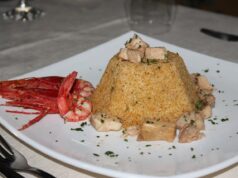
Couscous is a small granular pasta made from crushed durum wheat semolina that’s a staple in Amazigh cuisine. It’s often served as a side dish or as the main course, accompanied by vegetables, meats, and sauces. To make authentic couscous, start by steaming the couscous over boiling water until it’s cooked through.
Then, mix in your choice of vegetables, meats, and seasonings to create a flavorful dish that’s perfect for any occasion. Pro tip: Don’t forget to soak the couscous in water for at least 30 minutes before cooking to help it absorb flavors more easily.
Salad Berbere: The Spicy, Colorful Salad
Salad Berbere is a vibrant, flavorful salad made with a variety of vegetables, herbs, and spices. It’s the perfect accompaniment to any Amazigh meal and can be easily customized to suit your taste preferences. Simply chop up a variety of colorful vegetables like bell peppers, tomatoes, cucumbers, and onions.
Toss them in a dressing made with olive oil, lemon juice, garlic, and Berbere spice mix (a popular North African spice blend). Pro tip: Don’t forget to garnish your salad with fresh herbs like cilantro or parsley for an extra burst of flavor.
B’ssara: The Hearty Fava Bean Soup
B’ssara is a hearty, warming soup made from fava beans and spices that’s popular in Tunisia during the winter months. To make B’ssara, start by soaking dried fava beans overnight.
Then, simmer them with water, garlic, onion, cumin, coriander, and chili pepper until they’re soft and creamy. Serve your B’ssara hot with a drizzle of olive oil and a side of fresh bread. Pro tip: Don’t be afraid to add more spices or adjust the heat level to suit your taste preferences.
Conclusion: Celebrate Yennayer with Amazigh Delicacies
Yennayer is a time for celebration and honoring our Amazigh heritage. By trying out traditional Berber dishes like tajine, msemen, couscous, Salad Berbere, and B’ssara, you can immerse yourself in the rich flavors and traditions of North Africa.
So why not plan a Yennayer feast with your loved ones this year? Your taste buds (and your guests) will thank you. With its vibrant colors, aromatic spices, and hearty ingredients, Amazigh cuisine is sure to delight even the most discerning palates.
You might also enjoy
Related Articles
- Traditional Amazigh Delicacies for Yennayer 2026: A Guide
- Celebrating Yennayer 2026: A Feast of Traditional Amazigh Delicacies
- Celebrating Yennayer 2026: Savoring Traditional Amazigh Delicacies
- Celebrating Yennayer 2026: A Deep Dive into Amazigh Culture and Traditions
- Navigating Travel in North Africa: A Practical Guide for Maghrebi Diaspora