Saving Lives: The Importance of Breast Cancer Testing for Maghrebi Women – A Call from Hadassah
Introduction
Breast cancer is a global health concern that affects millions of women worldwide. In recent years, it has become increasingly clear that the impact of this disease extends beyond borders and affects diverse communities, including those in the Maghrebi diaspora. This article aims to shed light on the issue, emphasizing the importance of early detection and testing for breast cancer markers.
Hadassah, The Women’s Zionist Organization of America, is a leading medical organization that has been at the forefront of healthcare advancements in Israel. With a strong focus on women’s health, Hadassah is now extending its reach to educate and empower Maghrebi communities about breast cancer and the life-saving potential of early testing.
Understanding Breast Cancer: A Global Concern
The Prevalence of Breast Cancer
Breast cancer is the most commonly diagnosed cancer among women worldwide. According to the World Health Organization, an estimated 2.3 million women were diagnosed with breast cancer in 2020 alone.
While breast cancer can affect anyone, certain factors such as age, genetics, and lifestyle choices can increase a woman’s risk of developing the disease. It is crucial for all women to be aware of these risks and take proactive steps towards early detection.
In recent years, there has been a growing concern about the rising incidence of breast cancer among Maghrebi women living in diaspora communities. This trend underscores the need for targeted education and screening initiatives aimed at this population.
The Importance of Early Detection
Early detection is key to successful breast cancer treatment. When detected early, breast cancer is often more treatable and less likely to result in serious complications or fatalities.
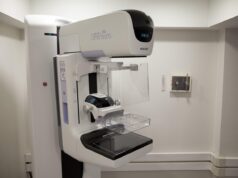
Regular screenings, including self-examinations, clinical breast exams, and mammograms, can help identify potential issues at an early stage. These screening methods allow for the timely detection of abnormalities and enable prompt treatment, improving outcomes for affected individuals.
Early detection is particularly important for Maghrebi women due to a number of factors, including cultural barriers that may prevent some from seeking medical help in a timely manner. By emphasizing the importance of early testing and encouraging regular screenings, organizations like Hadassah aim to save lives and improve overall health outcomes.
The Role of Breast Cancer Markers
What are Breast Cancer Markers?
Breast cancer markers, also known as tumor markers, are substances found in the blood or other bodily fluids that can indicate the presence of breast cancer. Common breast cancer markers include CA-15.3, CEA, and HER2.
These markers can help doctors determine the type and stage of breast cancer, as well as guide treatment decisions. In some cases, they may also be used to monitor a patient’s response to therapy.
It is important for Maghrebi women to be aware of these markers and discuss their potential use in screening and diagnostic procedures with their healthcare providers.
The Benefits of Testing for Breast Cancer Markers
Testing for breast cancer markers can provide valuable insights into a woman’s risk of developing the disease and help doctors determine the best course of action. For example, a high level of HER2 may indicate an aggressive form of breast cancer that requires more intensive treatment.
Regular testing for breast cancer markers can also provide peace of mind for women at high risk of developing the disease. By monitoring their marker levels over time, doctors can identify any changes that may signal the onset of breast cancer and take appropriate action.
It is essential for Maghrebi women to discuss the benefits and risks of testing for breast cancer markers with their healthcare providers to determine if it is appropriate for them.
Hadassah’s Efforts: Empowering Maghrebi Women
Educational Outreach
Hadassah is committed to educating Maghrebi women about breast cancer and the importance of early detection. Through workshops, online resources, and community outreach initiatives, Hadassah aims to empower women with the knowledge they need to make informed decisions about their health.
These educational programs cover topics such as breast self-examination, risk factors for breast cancer, and the benefits of regular screenings and testing for breast cancer markers.
Screening Initiatives
In addition to education, Hadassah is also working to increase access to screening services for Maghrebi women. This includes partnering with local healthcare providers to offer discounted or free screenings and mammograms for eligible individuals.
Hadassah’s screening initiatives are designed to remove barriers that may prevent some women from seeking necessary care, such as cost, language, and cultural differences.
A Call to Action
The fight against breast cancer requires the collective efforts of individuals, organizations, and communities. Hadassah urges Maghrebi women living in diaspora communities to take an active role in their health by learning about breast cancer, seeking regular screenings, and testing for breast cancer markers as appropriate.
In addition, Hadassah encourages readers to support its ongoing efforts to educate and empower Maghrebi women. This can be done through volunteering, donating, or sharing information with friends and family members.
You might also enjoy
Related Articles
- Modern Muslim Women’s Fashion: Empowering Trends and Inspiring Stories from the Maghrebi Diaspora
- Balancing Tradition and Contemporary Style: Trendy Fashion Choices for Maghrebi Women
- Reviving South Tunisia’s Culinary Heritage with Malek Labidi: A Call to Action for Maghrebi Diaspora
- Tracing the Evolving Landscape of Modest Fashion among Contemporary Muslim Women in the Maghrebi Diaspora
- Modern Fashion Trends for Maghrebi Women: Balancing Tradition and Modernity