Exploring Morocco’s Judeo-Amazigh Cultural Substratum: Understanding the North African Ethno-Religious Synthesis
Introduction
Welcome to this journey through time and space, where we’ll delve into the fascinating world of Morocco’s Judeo-Amazigh cultural substratum. As a member of the Maghrebi diaspora, you’re about to embark on an adventure that will transport you back in time, across continents, and into the hearts of two remarkable communities: the Jews and the Amazigh.
Morocco, a land of breathtaking landscapes and rich cultural heritage, has been a melting pot of various civilizations since ancient times. Among its many treasures, the Judeo-Amazigh (Jewish Amazigh) communities hold a special place in the country’s history and legacy.
The Roots of Judeo-Amazigh Identity
Early History: Jews Among the Amazigh
The Amazigh people, inhabiting North Africa since prehistoric times, have always been known for their religious tolerance. It’s no surprise then that early Jewish communities settled among them as early as the second century BCE. These communities maintained their unique identity while integrating into the broader society.
As you might expect, this blending of cultures led to a beautiful exchange of ideas, customs, and traditions. The Amazigh language, Tamazight, bears testament to this interplay, with ancient Hebrew influences woven throughout its fabric.
The Golden Age: Medieval Iberian Jewry and Al-Andalus
During the Muslim conquest of the Iberian Peninsula, many Jewish refugees found sanctuary in North Africa. Their presence enriched the region’s cultural landscape, contributing to a golden age of Islamic scholarship, art, and literature known as Al-Andalus.
This era saw a surge in learning, with scholars like Maimonides and Averroes making significant contributions to fields like philosophy, medicine, and mathematics. The Jewish community’s role in this cultural renaissance was undeniable, paving the way for future generations of scholars and artists.
Ottoman and French Influence
The Ottoman and French conquests further shaped the Judeo-Amazigh communities in Morocco. While the Ottomans brought new waves of Jewish immigrants, the French protectorate introduced Western influences and modernization, molding the contemporary identity of these communities.
This period also saw the rise of urban centers like Marrakech, Fez, and Meknes, which became hubs for Jewish culture, commerce, and learning. The French colonial era brought its own set of challenges and opportunities, leading to a unique blend of traditional and modern influences.
Linguistic and Cultural Interconnections
Tamazight: The Amazigh Language
The Amazigh language, Tamazight, is a testament to the deep cultural exchanges between the Jewish and Amazigh communities. This linguistic interplay is a remarkable example of how languages can evolve over time, influenced by the people who speak them.
Shared traditions and folklore are another characteristic feature of Judeo-Amazigh culture. Many customs, stories, and songs share striking similarities with those of their Amazigh neighbors. This cultural synthesis sets Moroccan Jewish identity apart from other Jewish communities worldwide.
Religious Syncretism
Religious syncretism is another hallmark of Judeo-Amazigh culture. For instance, some Judeo-Amazigh rituals incorporate Amazigh folk beliefs and practices alongside traditional Jewish ones.
This blending of faiths has led to the development of unique spiritual practices and customs, often blending elements from both traditions. Such syncretism has fostered a sense of community and cooperation between these diverse groups.
Jewish Sites and Heritage in Morocco
Historic Synagogues and Kasbahs
Morocco is home to numerous historic synagogues, many of which are located within kasbahs (fortified medieval towns). These architectural marvels offer a glimpse into the rich history of Jewish communities in the country.
Some of these synagogues have been beautifully restored, while others remain as testaments to a bygone era. Visitors can explore these sacred spaces and gain insight into the lives of Moroccan Jews throughout history.
Jewish Cemeteries and Memorial Sites
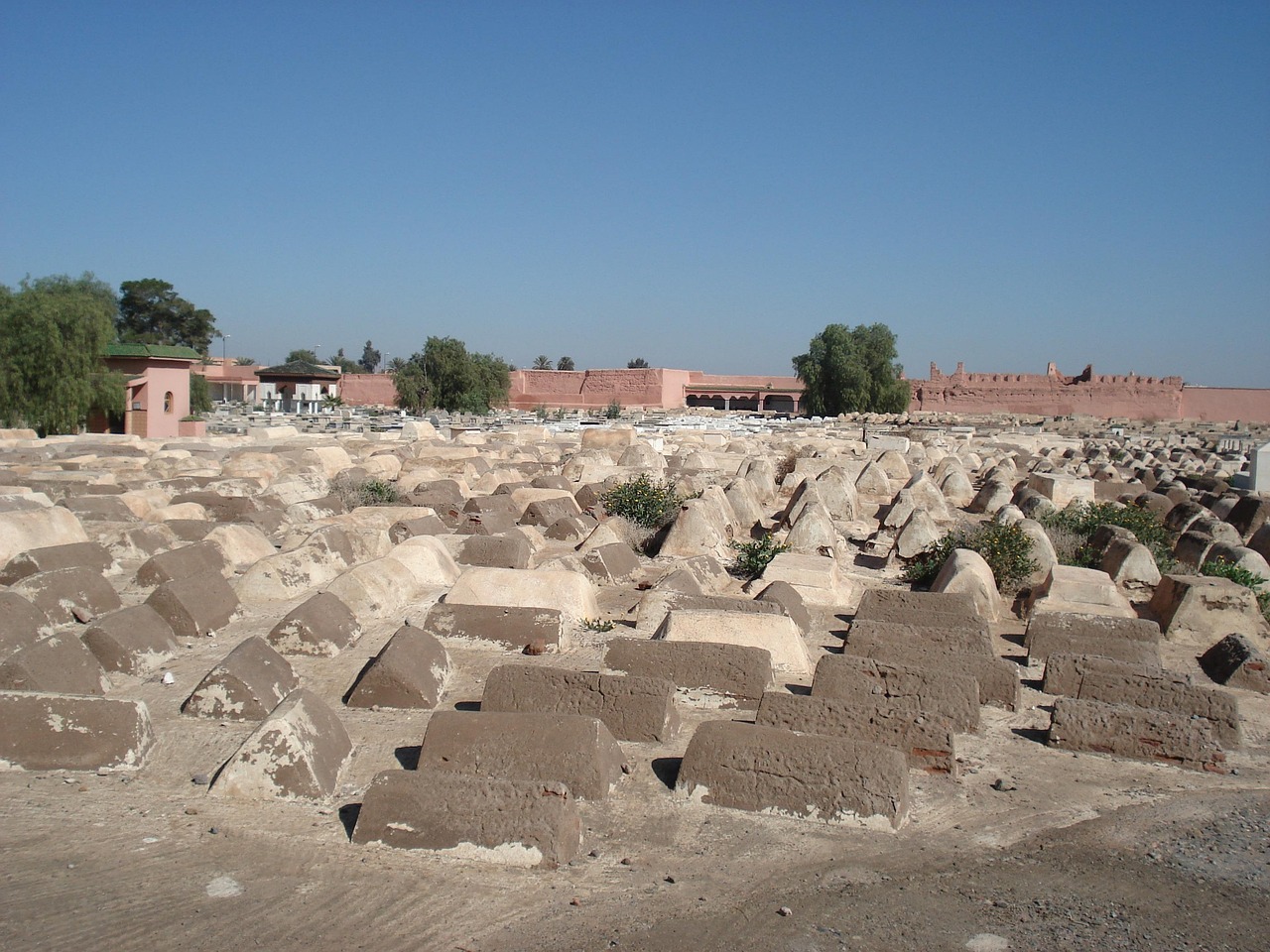
Several Jewish cemeteries can be found throughout Morocco, many containing graves dating back to the Middle Ages. Some of these sites have been turned into memorials, providing an important link to the region’s past.
These cemeteries serve as a poignant reminder of the struggles and triumphs of Moroccan Jewry. They also offer a glimpse into the daily lives and traditions of Jewish communities in Morocco over the centuries.
Museums and Cultural Centers
Museums and cultural centers dedicated to preserving Jewish heritage can be found in major cities like Casablanca, Marrakech, and Essaouira. These institutions offer valuable insights into the Judeo-Amazigh cultural substratum and serve as a testament to the resilience of these communities throughout history.
These museums provide a window into the rich cultural heritage of Moroccan Jewry, with exhibits showcasing artifacts, manuscripts, and artwork from across the centuries.
Preserving Judeo-Amazigh Heritage
In recent years, there has been renewed interest in preserving Morocco’s Judeo-Amazigh cultural heritage. Initiatives to restore historic synagogues and establish museums have helped promote awareness of this unique cultural synthesis.
Moreover, efforts to document and research the region’s Jewish history and folklore are ongoing. These initiatives not only enrich our understanding of Morocco’s past but also serve as a means of strengthening ties within the Maghrebi diaspora and promoting cultural tourism.
Conclusion: A Call to Action
Morocco’s Judeo-Amazigh cultural substratum offers a captivating glimpse into the rich history, diversity, and resilience of the region. By learning about these communities, we not only deepen our understanding of North Africa’s past but also foster a sense of unity within the Maghrebi diaspora.
We encourage all members of the diaspora to explore Morocco’s Judeo-Amazigh heritage, whether through virtual means or in person. Let us continue to celebrate and preserve this exceptional cultural synthesis for future generations to enjoy.
You might also enjoy
Related Articles
- Exploring the Judeo-Amazigh Cultural Substratum: A Comprehensive Analysis
- Unraveling the Judeo-Amazigh Cultural Synthesis: A Comprehensive Look
- Navigating Cultural Identity: Exploring the Experiences of North African Diaspora in France
- Reviving Amazigh Heritage: Cultural Preservation and Future Prospects in Morocco
- Exploring Amazigh Culture’s Future Prospects in Morocco: A Journey for Maghrebi Diaspora Readers