Rediscovering North Africa’s Rich History: A Journey Through Ancient Civilizations, Phoenicians, and Egyptians
Welcome to this journey through the captivating history of North Africa! As we delve into the region’s rich cultural heritage, we’ll uncover the fascinating stories of ancient civilizations, Phoenician influences, and the lasting impact of Egyptian culture. This article is a love letter to our shared Maghrebi diaspora heritage, and I invite you to join me on this exploration of our collective past.
Ancient Civilizations: The Berbers and Carthaginians
North Africa’s history stretches back over 5,000 years, with the indigenous Berber people having roots tracing back to the Neolithic Age. The Berbers’ rich cultural heritage is a testament to their resilience and adaptability in the face of changing empires and civilizations.
The Phoenicians arrived on the scene around 814 BC, establishing Carthage in modern-day Tunisia. This prosperous city became a hub of commerce and culture, influencing many aspects of North African life. From skilled shipbuilders to a sophisticated legal system, the Phoenicians left their mark on the region.
- Carthage’s shipbuilders were renowned for crafting some of the fastest ships in ancient times, revolutionizing maritime trade and commerce.
- The Punic language, alphabet, and legal system significantly impacted North Africa’s cultural development, shaping the region’s linguistic and artistic heritage.
- Carthage’s military prowess was demonstrated during its conflicts with Rome, including the famous Punic Wars. The city’s strategic location made it a key player in the Mediterranean region.
Egyptian Influence: A Cultural Symbiosis
The civilization of ancient Egypt left an indelible mark on North Africa, particularly through trade and cultural exchange. Egyptian art, architecture, and literature have had a profound influence on the region’s cultural development.
One example of this symbiosis is the presence of Egyptian-style tombs and temples across North Africa, such as the Roman ruin of Dougga in Tunisia. These structures showcase a harmonious blend of Egyptian and Roman architectural styles, reflecting the cultural exchange that occurred between these great civilizations.
- Ancient Egyptians introduced new agricultural practices to North Africa, including irrigation systems and crop rotation, transforming the region’s economy.
- The worship of various deities, such as Anubis and Isis, spread from Egypt to North Africa, continuing to be revered in the region long after the fall of Egyptian civilization. This cultural exchange also led to the blending of mythologies and storytelling traditions.
- Egyptian art and literature had a profound influence on the artistic expression of North African cultures, shaping the region’s literary and musical heritage.
The Ptolemaic Dynasty: Egypt’s Reach Extends to Carthage
After Alexander the Great’s conquest of Egypt, the Ptolemaic dynasty ruled over both Egypt and parts of North Africa for nearly three centuries. During this time, there was a cultural exchange between Egypt and Carthage, with Ptolemaic rulers sending Greek scholars to Carthage to educate its citizens.
These scholars brought new ideas in science, mathematics, philosophy, and art that significantly impacted the intellectual life of Carthage. This period is often referred to as the ‘Golden Age’ of Carthage due to its cultural and economic prosperity.
- The Ptolemaic dynasty’s cultural exchange with Egypt had a profound impact on North African cultures, shaping art, literature, and architecture for centuries to come.
- This period saw the establishment of major cities like Alexandria, which became a center of learning and culture in the Mediterranean region.
Roman Conquest: A New Era for North Africa
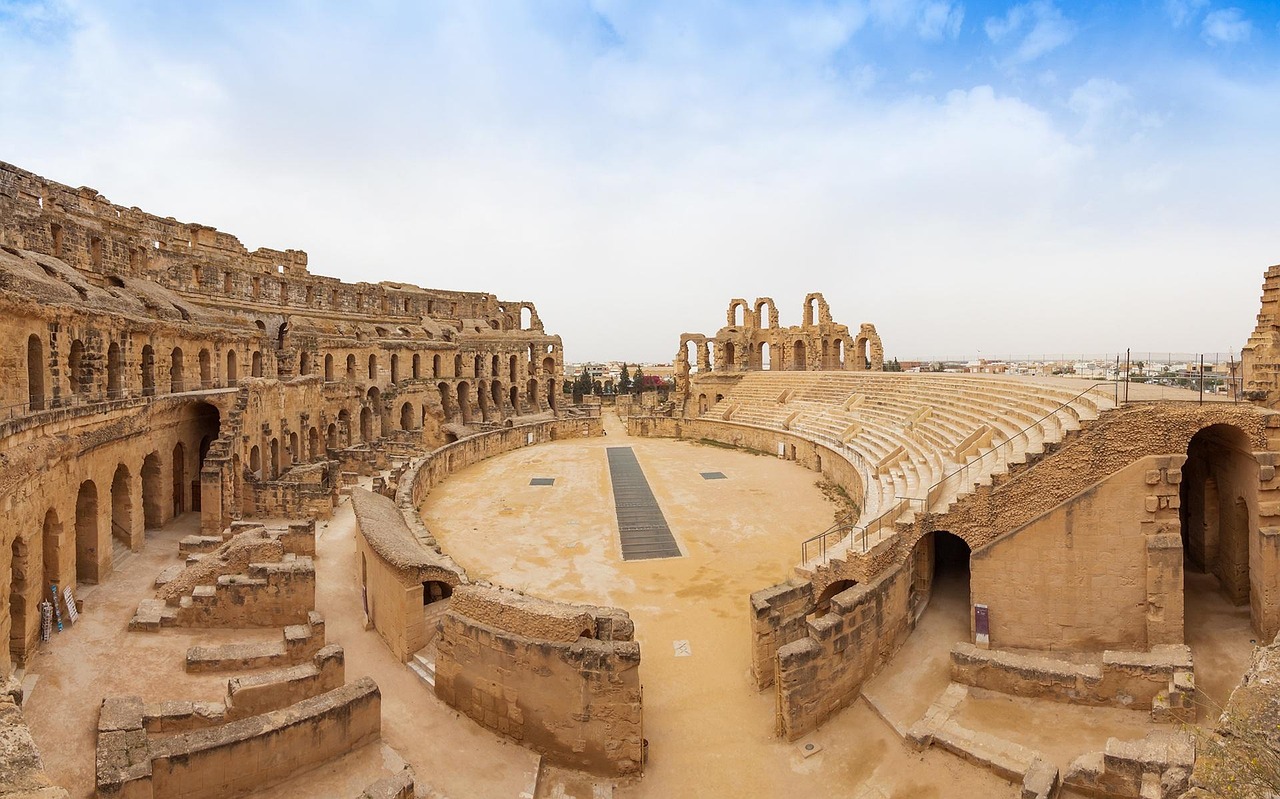
The Roman conquest of Carthage in 146 BC marked a significant turning point in North Africa’s history. Roman rule brought extensive development of infrastructure, including roads, aqueducts, and amphitheaters, which can still be seen today.
- The Romans introduced new agricultural practices, such as the cultivation of olives, grapes, and wheat, transforming North Africa’s economy.
- Roman art, literature, and architecture had a profound influence on North African cultures, shaping many aspects of daily life for centuries to come.
- The Roman period saw the expansion of Christianity in North Africa, with St. Augustine, one of the most influential early Christian thinkers, hailing from modern-day Algeria.
Conclusion: A Call to Embrace Our Shared Heritage
As we delve into North Africa’s rich and diverse history, let us not forget that our shared heritage is a testament to the resilience and ingenuity of the peoples who have inhabited this remarkable region. Let us continue to learn from our past, embrace our cultural roots, and celebrate the incredible legacy that connects us all.
Join me on this journey through history as we explore more about the fascinating stories, artifacts, and sites that make North Africa a treasure trove of cultural and historical wonders. Share your own experiences and knowledge with us, and together, let us continue to preserve and celebrate our shared heritage.
You might also enjoy
Related Articles
- Rediscovering Al-Andalus: A Journey Through the Echoes of Exile in North Africa
- Maximizing Miles and Points for Affordable Travel to Middle East & North Africa: A Comprehensive Guide for Maghrebi Diaspora
- Integrating Ethno-Religious Cultures in North Africa: A Journey of Unity and Diversity
- Exploring Amazigh Culture’s Future Prospects in Morocco: A Journey for Maghrebi Diaspora Readers
- Unveiling the Al-Andalus Legacy in North Africa: A Tribute to Exiled Andalusian Culture