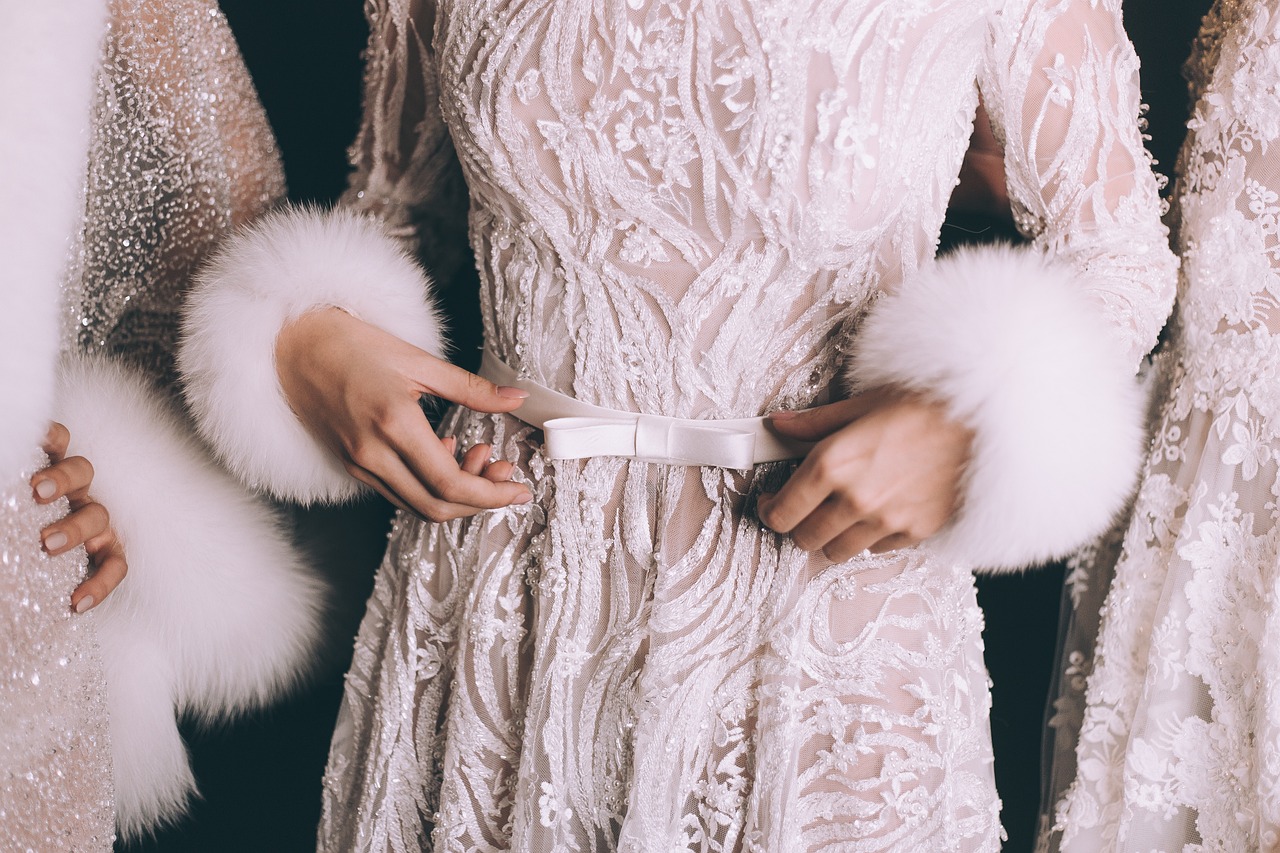
Elevating Arab Fashion: Highlights from Caftan Week
As we step into the vibrant world of Arab fashion, it’s hard not to get caught up in the excitement and creativity that defines this remarkable industry. And what better way to celebrate its beauty than through the iconic caftan? This year’s Caftan Week has brought together a talented pool of designers from across the region, each offering their unique interpretation of this timeless piece.
From Marrakech, Morocco, to Tunisian tilework patterns and Egyptian appliqué techniques, Caftan Week has been a true celebration of cultural heritage. But it’s not just about showcasing traditional designs – it’s also about innovation, sustainability, and empowerment. Let’s take a journey through the highlights that are sure to leave you mesmerized and inspired.
1. A Symphony of Colors
Color played a crucial role in this year’s Caftan Week, with designers experimenting with bold hues and daring combinations. Designer Hicham Abouchabakir’s collection, for instance, featured caftans adorned with striking gold embroidery against rich, royal blue fabrics that seemed to dance across the runway.
Another standout was designer Noureddine Amir’s work, which showcased the beauty of traditional Moroccan tilework patterns on a series of stunning caftans. The color palette ranged from earthy tones to vibrant orchids and sunset hues, creating an enchanting spectacle that transported viewers to the bustling souks of Marrakech.
Lastly, designer Walid Atallah presented a captivating collection inspired by the ancient Roman mosaics of Tunisia. The result was a breathtaking blend of classicism and modernity, with caftans dressed in shades of gold, red, and olive green that seemed to glow under the lights.
2. A Fusion of Cultures
Caftan Week also saw designers drawing inspiration from various global cultures to create unique fusion pieces. Designer Karim Charni’s collection, for example, was an exciting blend of Moroccan and Japanese aesthetics, with caftans featuring traditional Japanese motifs in intricate embroidery that added a touch of Eastern elegance.
Tunisian designer Farah Tissaini also showcased a fascinating fusion between Arabic and Western influences. Her collection featured caftans with feminine silhouettes and lace detailing, yet maintained the essence of traditional Tunisian garments through the use of bold colors and intricate patterns.
Egyptian designer Maison Medina’s work was another testament to cultural fusion, blending elements of Moroccan, Egyptian, and even African styles to create a truly one-of-a-kind collection that reflected the beauty of cultural exchange.
3. Sustainability at the Forefront
Sustainability was a key focus for many designers at Caftan Week this year, with an emphasis on ethical production and environmentally friendly materials. Designer Noura Bouzid’s work was particularly noteworthy in this regard, as she exclusively used locally sourced fabrics for her collection – a testament to the power of sustainable fashion.
Moroccan designer Meryem Debbich also showcased a line of caftans made from recycled materials, proving that fashion can be both beautiful and eco-friendly. Her designs not only reduced waste but also highlighted the importance of reducing our ecological footprint in the fashion industry.
Lebanese designer Zuhair Murad’s collection was another example of sustainable fashion, with a focus on using organic silks and reducing waste in the production process. His commitment to sustainability has inspired many in the industry to follow suit.
4. A Celebration of Craftsmanship
The exquisite craftsmanship that goes into each caftan was on full display during Caftan Week, with designers highlighting the skills of local artisans. Tunisian designer Aicha Ghezali’s collection showcased the intricate embroidery work of Zarzis, a small coastal town known for its unique craftsmanship.
Moroccan designer Bouchra Ezzahraoui also focused on traditional Moroccan artistry, using hand-painted ceramics to adorn her caftans – a testament to the country’s rich textile heritage. Her designs not only celebrated cultural traditions but also supported local artisans and their communities.
Egyptian designer Alia Khan’s work was a stunning display of the country’s rich textile heritage, featuring caftans made with traditional techniques such as weaving and appliqué. Her commitment to preserving these techniques has helped to keep ancient crafts alive for future generations.
5. Empowering Women
Empowerment was a recurring theme throughout Caftan Week, with many designers using their platforms to advocate for women’s rights. Moroccan designer Meryem Lekkousa’s collection aimed to challenge societal norms by featuring caftans with pants instead of the traditional long dress – a bold statement that celebrated individuality and self-expression.
Tunisian designer Nada Touhami also used her platform to promote gender equality, as her designs empowered women to express their individuality through fashion. Her collection featured striking caftans that seemed to defy gravity, showcasing the strength and resilience of women in the Middle East.
Egyptian designer Eman El-Dessouky’s work was another powerful statement, as she showcased a collection that celebrated the strength and resilience of women in the Middle East. Her designs not only honored their stories but also served as a beacon of hope for future generations.
Conclusion
Caftan Week has once again proven to be a platform for innovation, creativity, and empowerment in Arab fashion. This year’s event showcased a diverse array of designers who pushed the boundaries of traditional caftans while staying true to their roots.
As we continue to witness the elevation of Arab fashion on the global stage, it is crucial that we celebrate and support these talented designers. Let us embrace our cultural heritage while also championing sustainable practices and gender equality in the industry – for a brighter, more beautiful future for all.
You might also enjoy
Related Articles
- Rediscovering Our Roots: A Journey into Morocco’s Unique Culture and Fashion at Caftan Week
- Savoring Moroccan Fashion Week in Marrakech with easyJet: A Maghrebi Diaspora’s Dream Come True
- Modern Moroccan Fashion Week in Rabat Captures Global Attention: A Celebration of Cultural Diversity and Innovative Design
- UNESCO Africa Week Highlights: Water, Culture, and Multidimensional Programming in North Africa – A Relevance to the Maghrebi Diaspora
- Reviving Amazigh Culture: Trends in Fashion, Art, and Photography