Modern Moroccan Fashion Week in Rabat Captures Global Attention: A Celebration of Cultural Diversity and Innovative Design
Introduction
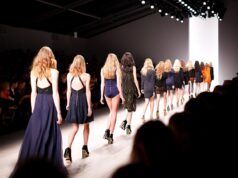
The fashion world was abuzz with excitement as the Modern Moroccan Fashion Week in Rabat took center stage, showcasing the country’s rich cultural heritage and its burgeoning fashion industry. This extraordinary event brought together designers, models, and enthusiasts from around the globe, offering a unique celebration of cultural diversity and innovative design.
For members of the Maghrebi diaspora, this event served as a source of immense pride and inspiration, as they watched their homeland take center stage on the international fashion scene. This article delves into the significance of this remarkable occasion, examining its impact, participants, and the unique fusion of traditional Moroccan aesthetics with contemporary design.
1. A Glimpse into the Rich Cultural Heritage of Morocco
The Influence of Moroccan History on Modern Fashion
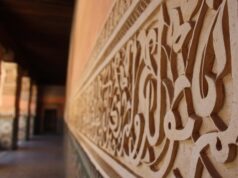
Morocco’s rich history has been a treasure trove of inspiration for modern designers, who have expertly blended traditional motifs, textiles, and techniques with cutting-edge fashion trends. From the intricate geometric patterns of zellige tiles to the vibrant hues of traditional Berber carpets, Morocco’s visual language has found its way onto runways around the world.
Designers like Malaikaa and Yassine Mansouri have taken this inspiration and transformed it into striking, modern collections that capture the imagination of fashion enthusiasts. Moreover, ancient craftsmanship techniques passed down through generations are being revived and elevated to new heights. Traditional embroidery, leatherworking, and weaving techniques are now being utilized in ways that push the boundaries of contemporary design while preserving Morocco’s cultural heritage.
The Role of Traditional Attire in Modern Moroccan Fashion
Traditional Moroccan attire, such as the djellaba and burnous, have also found a place on the runway. Designers like Hicham Mazouz and Meryem Soussi have reimagined these traditional garments, infusing them with modern sensibilities while still maintaining their cultural significance.
By incorporating elements of traditional Moroccan attire into their collections, designers are not only celebrating the country’s heritage but also challenging conventional notions of what fashion can be. These designs serve as a testament to the resilience and adaptability of Moroccan culture in the face of globalization. For many Maghrebi diaspora members, these contemporary interpretations of traditional attire offer a sense of connection to their roots, while also showcasing the innovative spirit that characterizes Morocco’s fashion industry.
2. The Emergence of Talented Moroccan Designers
The Rising Stars of Modern Moroccan Fashion
One of the most exciting aspects of the Modern Moroccan Fashion Week was the opportunity to showcase the talents of emerging designers. With a focus on promoting local talent, the event provided these up-and-coming artists with a platform to share their visions and connect with industry professionals.
Designers like Zineb Didi and Amine Bendriouich have already made waves in the fashion world, capturing the attention of international buyers and media outlets. Their innovative designs, which fuse traditional Moroccan aesthetics with contemporary trends, offer a fresh perspective on the country’s rich cultural heritage.
As these talented designers continue to make their mark on the global fashion scene, they are helping to cement Morocco’s position as a hub of creativity and innovation in the world of fashion. The event also provided a platform for international collaborations, as designers from around the world came together to share their expertise and inspire one another.
The Impact of International Collaborations on Moroccan Fashion
One such collaboration was between Moroccan designer Hicham Mazouz and French fashion house Lanvin. The partnership resulted in a stunning collection that showcased the best of both worlds, blending traditional Moroccan motifs with the sleek elegance of Lanvin’s signature style.
These collaborations not only expose Moroccan designers to new ideas and techniques but also help to elevate their profiles on the international stage. As more partnerships like these emerge, we can expect to see even greater innovation and creativity from the Moroccan fashion scene.
3. The Empowerment of Women in Moroccan Fashion
Breaking Barriers and Celebrating Female Talent
The Modern Moroccan Fashion Week was not just about showcasing design talent but also about empowering women. By featuring female designers, models, and industry professionals at the forefront of the event, organizers sent a powerful message about the importance of gender equality in the fashion industry.
Designers like Meryem Soussi, Hicham Mazouz, and Malaikaa have all made significant contributions to promoting women’s empowerment through their work. Their collections often feature bold, powerful designs that celebrate the strength and beauty of Moroccan women.
Morover, the event provided a platform for young, aspiring female designers to showcase their talent and connect with mentors and industry professionals who can help them achieve their dreams. Fashion has long been a powerful tool for social change, and the Modern Moroccan Fashion Week was no exception.
The Role of Fashion in Addressing Social Issues
Designers like Yassine Mansouri used their platforms to address pressing social issues, such as gender inequality and environmental sustainability. Mansouri’s latest collection, for example, featured designs made from recycled materials, drawing attention to the importance of sustainable fashion practices in addressing climate change.
By using their platforms to address social issues, these designers are helping to create a more compassionate and inclusive fashion industry that reflects the values and concerns of contemporary society. This event was not just about showcasing design talent but also about promoting social responsibility and sustainability within the fashion industry.
4. The Future of Moroccan Fashion
A Promising Outlook for the Moroccan Fashion Industry
The success of the Modern Moroccan Fashion Week serves as a testament to the potential of Morocco’s fashion industry. With a wealth of talent, rich cultural heritage, and a growing appetite for innovative design, the future looks bright for this burgeoning sector.
As more events like these take place, we can expect to see even greater strides in creativity, sustainability, and social impact from Moroccan designers. With their fusion of traditional aesthetics and contemporary trends, they are helping to redefine the world of fashion while preserving the cultural heritage that makes Morocco so unique.
For members of the Maghrebi diaspora, events like these offer a source of immense pride and inspiration. As we watch our homeland take center stage on the international fashion scene, we cannot help but feel a sense of excitement for what the future holds. The event also highlighted the importance of supporting local talent and promoting sustainable practices within the industry.
The Importance of Supporting Local Talent
In order to continue supporting the growth and success of Moroccan fashion, it is essential that we continue to champion local talent. By investing in emerging designers and promoting their work, we can help ensure that the unique voice of Morocco continues to be heard on the global stage.
Morover, by supporting sustainable and socially responsible practices within the industry, we can help to create a more equitable and environmentally conscious fashion landscape. As consumers, we have the power to make a difference, and it is our responsibility to use that power wisely.
Conclusion
The Modern Moroccan Fashion Week in Rabat was more than just a fashion event; it was a celebration of cultural diversity, innovation, and the resilience of Morocco’s burgeoning fashion industry. For members of the Maghrebi diaspora, it served as a source of immense pride and inspiration.
As we look to the future, it is clear that the Moroccan fashion scene is poised for greatness. With its rich cultural heritage, talented designers, and commitment to social responsibility, it has all the ingredients necessary to make a lasting impact on the global fashion stage.
We encourage our readers to continue supporting local talent and to stay tuned for more exciting developments from Morocco’s fashion industry. Together, we can help ensure that the unique voice of Morocco continues to be heard around the world.
You might also enjoy
Related Articles
- Moroccan Caftans and Modern Designs Steal the Spotlight at Brussels Fashion Week
- Vibrant Runways Illuminate Morocco Fashion Week 2026: A Testimony to North Africa’s Thriving Fashion Scene
- Indonesia Halal Week 2026: Connecting the Maghrebi Community with the Global Islamic Halal Industry
- A Photographer’s Sartorial Chronicle of Moroccan Youth Culture: Documenting the Evolving Fashion Scene
- Photography Captures Moroccan Youth Culture: A Visual Exploration of Diverse and Exciting Trends