Here is the improved HTML:
Welcome to the vibrant world of North African cuisine! When the chill of winter sets in, there’s nothing more comforting than a hearty, flavor-packed chickpea soup. This dish is a beacon of warmth and nourishment, perfect for those long evenings spent sharing stories and laughter with loved ones. Let’s take a journey through the history, ingredients, and preparation of this beloved soup. Whether you’re a seasoned cook or just discovering the delights of North African cuisine, this recipe is sure to become a staple in your kitchen.
History and Origins
Chickpea soup, or harira, is a staple in Moroccan, Algerian, and Tunisian cuisines. Originating from the Maghreb, it is often served during the holy month of Ramadan, offering a balanced, nutritious meal to break the fast. However, its appeal extends far beyond religious observance, as it is enjoyed year-round in homes and street vendors alike. The rich flavors and comforting warmth of harira make it a perfect meal for any occasion, whether it’s a cozy night in or a gathering with friends and family.
Ingredients (serves 6)
Harira is a versatile dish, allowing for regional variations and adaptations based on seasonal ingredients and personal preference. This recipe offers a balanced blend of flavors and textures, making it a great introduction to the world of North African cuisine. With its rich aroma and satisfying flavor, this soup is sure to become a family favorite.
- 300 g dried chickpeas — soaked overnight and drained
- 2 tbsp olive oil
- 1 large onion — finely chopped
- 2 celery stalks — finely chopped
- 2 medium carrots — peeled and finely chopped
- 4 garlic cloves — minced
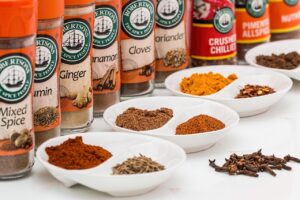
- 1 tsp ground cumin
- 1 tsp ground coriander
- 1 tsp paprika
- 1 tsp turmeric
- 4 cups vegetable broth
- 1 can (400 g) diced tomatoes
- 2 tbsp tomato paste
- 1 tbsp honey
- 1 tsp salt
- ½ tsp black pepper
- 1 lb (450 g) ground lamb (optional)
- 2 tbsp fresh cilantro — finely chopped
- 2 tbsp fresh parsley — finely chopped
- 1 lemon — cut into wedges
Step-by-Step Instructions
Prep time: 15 minutes | Cook time: 45 minutes | Difficulty: Easy
- Sauté the aromatics: heat olive oil in a large pot over medium heat. Add the onion, celery, and carrots, and cook until soft, about 5 minutes. Add the garlic and cook for 1 more minute.
- Add spices and tomatoes: stir in cumin, coriander, paprika, and turmeric. Cook for 1 minute until fragrant. Add the tomato paste, honey, salt, pepper, chickpeas, and vegetable broth. Bring to a boil.
- Simmer: reduce heat to low, cover, and simmer for 30 minutes, or until chickpeas are tender.
- Brown the lamb (optional): if using lamb, heat a large skillet over medium-high heat. Add the lamb and cook until browned, breaking it up with a spatula as it cooks.
- Combine: stir the browned lamb into the simmering chickpea mixture. Cook for 10 more minutes to allow flavors to meld.
- Garnish and serve: ladle the soup into bowls, garnish with cilantro, parsley, and a squeeze of lemon. Enjoy with warm bread or pita on the side.
Tips for Success
Harira is a flexible dish, allowing for substitutions and personal adjustments. Here are a few tips to ensure a delicious result:
- Feel free to substitute lamb with chicken, beef, or even vegetarian protein like lentils or chickpeas.
- For a spicier version, add a pinch of cayenne pepper or harissa paste.
- Serve with a dollop of yogurt for extra creaminess and tang.
- Store leftovers in the fridge for up to 3 days.
Regional Variations
In Morocco, harira is often enriched with saffron and garnished with toasted almonds. Algerian harira may include lamb or beef meatballs, while Tunisian harira can be thickened with semolina or bread crumbs for a heartier consistency.
Serving and Presentation
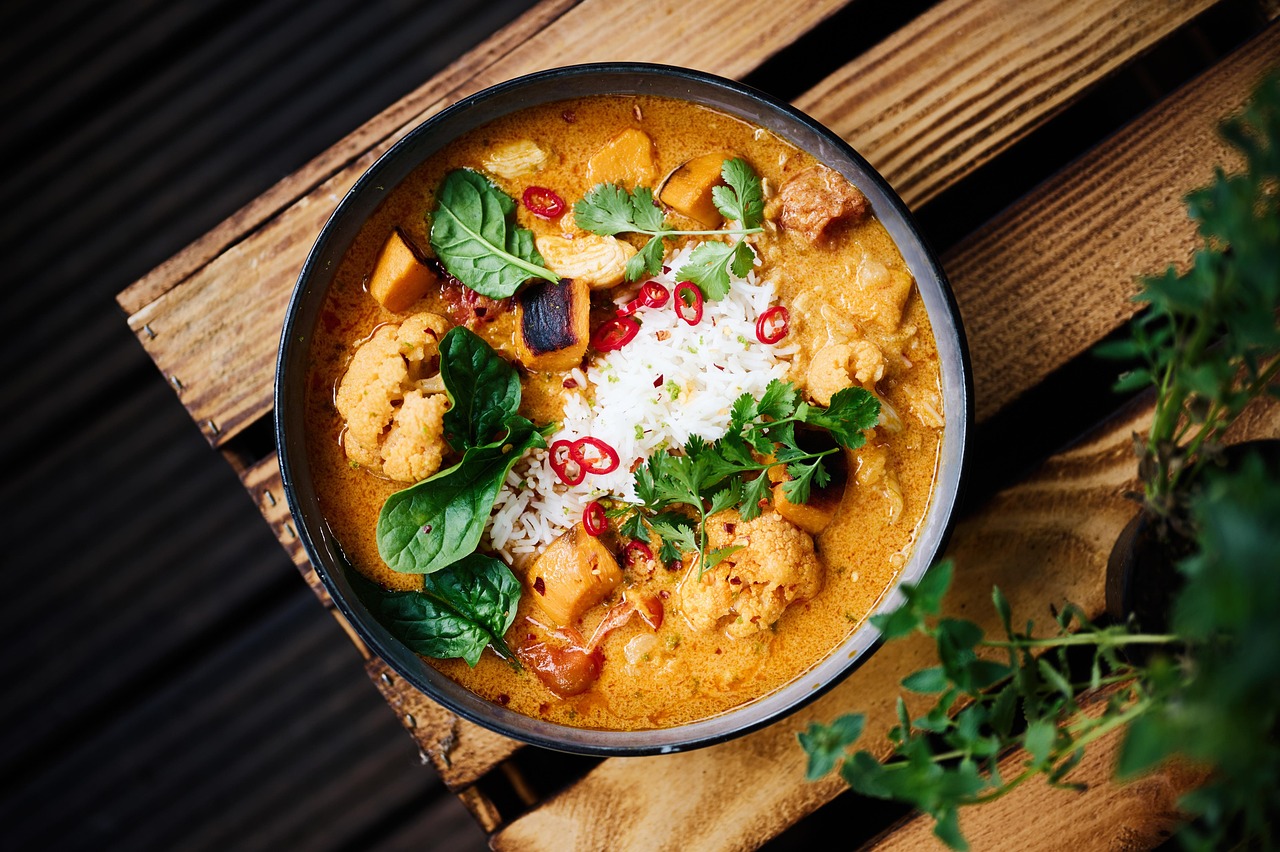
Harira is best served hot, with the aromatic steam rising from the bowl. Offer warm bread, pita, or rice on the side. Harira is a communal dish, meant to be shared and enjoyed with loved ones.
Conclusion
Chickpea soup is a testament to the warmth and nourishment that North African cuisine offers. Embrace this one-pot meal as a way to connect with your roots, nourish your body, and bond with loved ones. Bon appétit!
You might also enjoy
Related Articles
- One-Pot North African Chickpea Soup: A Hearty and Flavorful Recipe for Any Occasion
- One-Pot Algerian Chickpea Soup: A Hearty and Flavorful Recipe for Ramadan
- Unveiling the Expansion of Arab Comfort Food in the U.S: A Culinary Journey
- Barbara’s Counter-Cultural Witness in North Africa: Empowering Family Life Stories
- Reviving Algerian Cuisine: A Chorba Frik Recipe for the Ramadan Festival