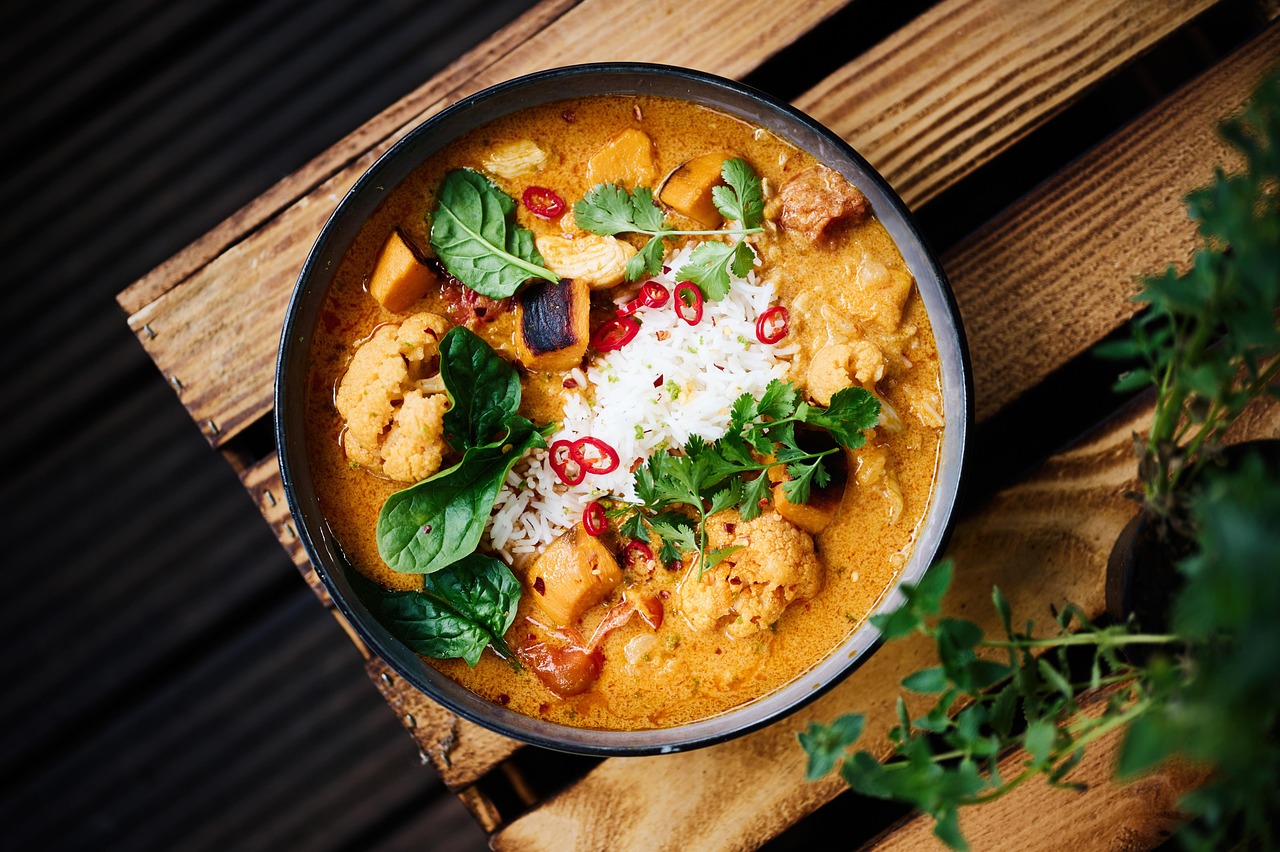
In the heart of the Maghreb, the sound of a spoon stirring a pot of simmering chickpea soup fills the air, a comforting melody that transcends language. This soup is not just a dish – it is a symbol of unity and resilience, a testament to the strength of Algerian, Tunisian, and Moroccan culture. In this recipe, we invite you to experience the warmth of this classic one-pot meal, perfect for any gathering. As you simmer the soup, the aromas will transport you to the bustling markets and cozy family gatherings that have made this dish a staple for generations.
History and Origins
Chickpea soup, known as harira in Arabic, has been a staple of North African cuisine for centuries. Often served during the holy month of Ramadan, it is also enjoyed year-round, especially on cool evenings and as a nourishing meal after a long day. But the story of harira doesn’t begin with the soup itself – it begins with the ancient trade routes that brought chickpeas to the region. The exact origin of chickpea soup is unclear, but it is believed to have been introduced to the region by traders along the ancient Silk Road, who brought with them exotic spices and ingredients that would eventually become integral to the recipe.
Ingredients (serves 6)
Harira is a flexible dish, with each family having its own preferred ingredients and variations. This recipe strikes a balance between traditional flavors and modern convenience, making it perfect for a family dinner or a crowd-pleasing party. Whether you’re a seasoned cook or a culinary newcomer, the simple steps and flavorful ingredients will guide you through the process, ensuring a delicious and satisfying meal.
- 300 g dried chickpeas
- 2 litres vegetable broth
- 2 tbsp olive oil
- 1 large onion — finely chopped
- 3 garlic cloves — minced
- 2 tsp ground cumin
- 1 tsp ground coriander
- 1 tsp paprika
- 1 tsp turmeric
- 1 tsp salt — or to taste
- ¼ tsp black pepper
- 1 can (400 g) diced tomatoes
- 2 medium carrots — peeled and diced
- 2 medium potatoes — peeled and diced
- 1 medium zucchini — diced
- 1 cup (200 g) canned chickpeas
- 1 cup (200 g) dried lentils
- ½ cup (75 g) green peas
- 1 lb (450 g) ground beef or lamb
- 2 tbsp chopped fresh parsley
- 2 tbsp chopped fresh cilantro
- 2 tbsp freshly squeezed lemon juice
- 2 tbsp harissa — optional
Step-by-Step Instructions
Prep time: 20 minutes | Cook time: 1 hour | Difficulty: Easy
- Soak the chickpeas: place the dried chickpeas in a large bowl and cover with cold water. Soak overnight or for at least 8 hours. As you prepare the chickpeas, take a moment to appreciate the rich history and cultural significance behind this simple act – the careful soaking of the chickpeas is a ritual that connects us to our ancestors and to the land.
- Prepare the vegetables: peel and chop the carrots, potatoes, zucchini, and onion. Mince the garlic. The simplicity of this task belies the importance of these ingredients, which will add texture, flavor, and depth to the soup.
- Brown the meat: heat the olive oil in a large pot over medium-high heat. Add the ground beef or lamb and cook until browned, about 5 minutes. Drain off any excess fat. As the meat browns, take a moment to appreciate the sizzle and aroma – it’s a sensory experience that will transport you to the bustling markets and family gatherings that have made this dish a staple for generations.
- Start the soup: add the onion, garlic, cumin, coriander, paprika, salt, and black pepper to the pot. Cook for 5 minutes, until the onion is softened. This is the moment when the magic begins – the aromas and flavors start to meld together, creating a rich and satisfying broth.
- Add the broth and tomatoes: add the vegetable broth and diced tomatoes to the pot. Stir well. The addition of the broth and tomatoes is the moment when the soup truly comes together – the flavors and textures combine to create a hearty and comforting meal.
- Add the soaked chickpeas, lentils, and peas: drain the soaked chickpeas and add them to the pot. Rinse the canned chickpeas and add them as well, along with the lentils and peas. The addition of the chickpeas and lentils adds texture and heft to the soup, making it a satisfying and filling meal.
- Simmer the soup: bring the soup to a boil, then reduce the heat to low and simmer for 45 minutes, or until the chickpeas and lentils are tender. As the soup simmers, take a moment to appreciate the aromas and flavors that are developing – the soup is slowly building its rich and complex character.
- Add the potatoes, carrots, and zucchini: add the diced vegetables to the pot and simmer for another 15 minutes, or until they are tender. The addition of the vegetables adds a pop of color and freshness to the soup, making it a vibrant and inviting meal.
- Finish the soup: stir in the parsley, cilantro, lemon juice, and harissa (if using). Taste and adjust the seasoning as needed. The final touch is the addition of the fresh herbs and spices, which adds a bright and zesty flavor to the soup – it’s the perfect finishing touch.
Tips for Success
Harira is a forgiving dish, but a few small details can make a big difference in the final result. Here are some tips to help you achieve the perfect harira:
- Start with good-quality vegetable broth for the best flavor
- Adjust the seasoning to your taste — remember, you can always add more but you can’t take it out
- Harissa adds heat and complexity, but it’s optional
- Serve with crusty bread to soak up the broth
Regional Variations
Algerian harira often includes merguez sausages and harissa, while Tunisian harira may include capers and olives. Moroccan harira may also include lamb or chicken instead of beef. As you explore the different variations, remember that the true essence of harira lies not in the ingredients, but in the love and care that goes into its preparation – it’s a dish that brings people together, no matter where they come from.
Serving and Presentation
Serve the harira hot, garnished with additional chopped parsley or cilantro. Accompany with crusty bread and a side of yogurt or labneh. As you serve the soup, take a moment to appreciate the simple yet satisfying nature of this meal – it’s a dish that warms the heart and nourishes the body.
Conclusion
One-pot North African chickpea soup is a comforting, flavorful dish that brings people together. Whether you’re cooking for a crowd or a intimate gathering, this recipe is sure to please. As you enjoy the soup, remember that the true essence of harira lies not in the ingredients, but in the love and care that goes into its preparation – it’s a dish that transcends borders and cultures, and brings people together in the spirit of community and shared experience. Share your photos and variations in the comments below!
You might also enjoy
Related Articles
- Cooking Authentic North African Dishes in USA: A Recipe for Chickpea Soup
- North African Pasta Salad: A Refreshing Summer Meal for the Maghrebi Diaspora
- Barbara’s Counter-Cultural Witness in North Africa: Empowering Family Life Stories
- Unraveling the Myth of ‘Khawa Khawa’ in North African Folklore: A Deep Dive for the Maghrebi Diaspora
- Mastering the Traditional Mazagran Coffee Recipe: A Guide for the Maghrebi Diaspora